
Choosing the best dental implant material is an important step toward a confident, lasting smile. Titanium and ceramic implants both offer reliable tooth replacement, but they differ in appearance, performance, and suitability for specific situations. This guide outlines how each option works, their advantages and limitations, and how to determine the best fit for your oral health. Throughout, we’ll compare ceramic vs titanium implants to help you make an informed decision. You’ll also see how ceramic dental implants vs titanium stack up in different scenarios and what to consider when evaluating titanium vs ceramic dental implants for your needs.
Understanding Dental Implants
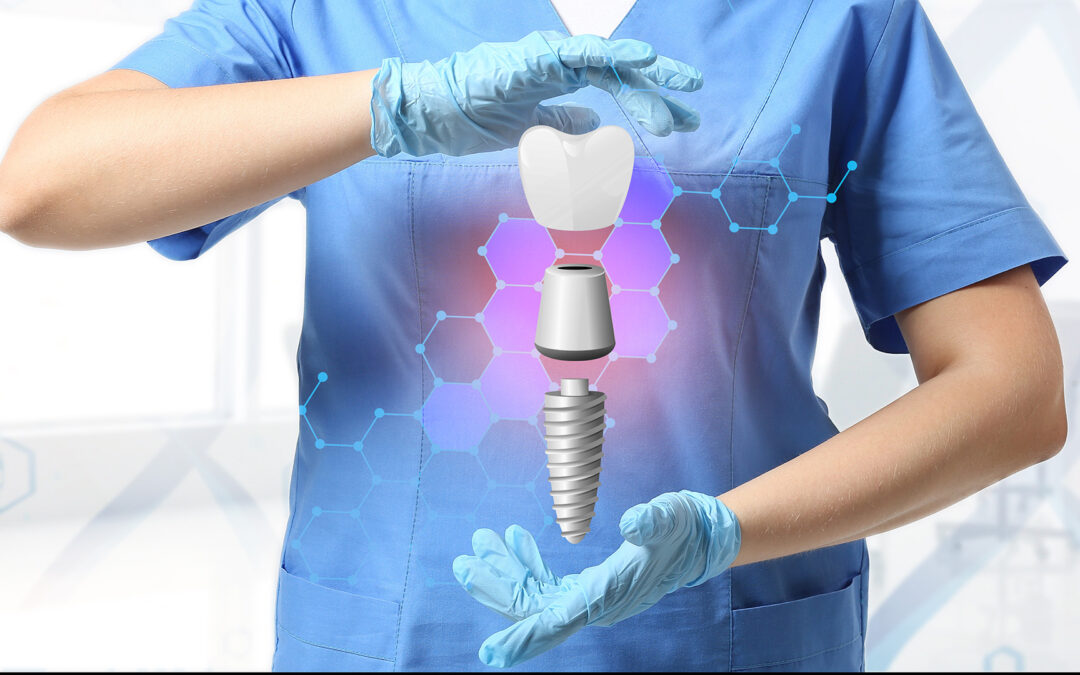
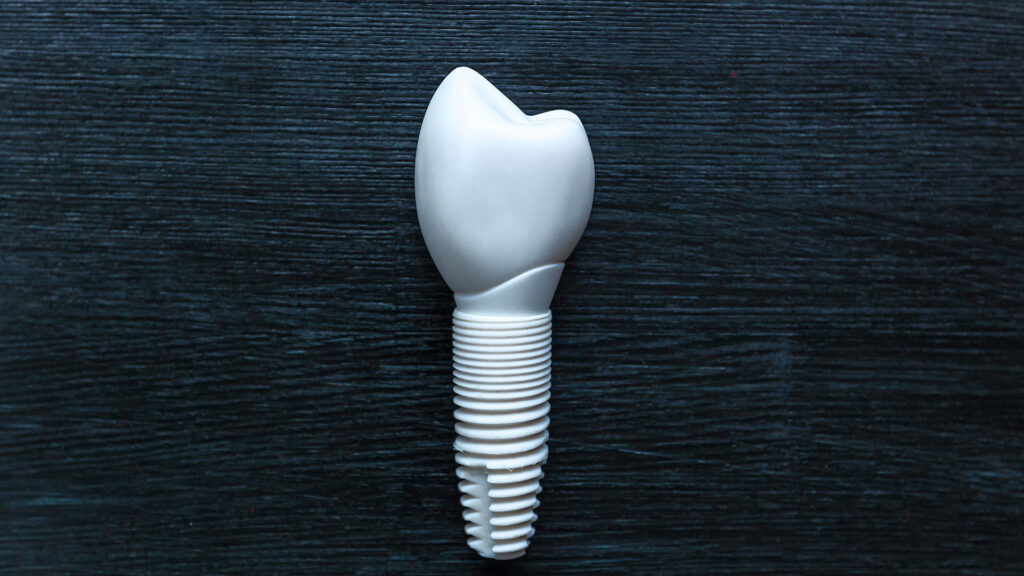
Dental implants are artificial tooth roots placed in the jaw to support a crown, bridge, or denture. They restore chewing function, help preserve bone, and provide a natural-looking replacement for missing teeth. An implant is typically composed of three parts: the implant fixture (root), the abutment (connector), and the crown (the visible tooth).
The treatment process generally includes a clinical evaluation with imaging, surgical placement of the implant into the jawbone, and a healing period where the bone fuses to the implant through osseointegration. After healing, the abutment and custom crown are attached. Depending on the case, temporary teeth may be placed during healing to maintain appearance and function.
Material selection matters because it influences aesthetics, healing, durability, and long-term comfort. Your bite forces, gum thickness, smile line, and medical history all play a role in determining which implant material will perform best for you. When weighing ceramic vs titanium implants, your clinician will consider the location of the tooth, soft tissue characteristics, and the type of restoration planned.
Titanium Implants: Benefits and Considerations
Titanium implants are the most widely used option and have decades of clinical evidence supporting their success. Titanium is strong, lightweight, and highly resistant to fracture, making it well-suited for areas with higher bite forces, such as molars.
A key advantage of titanium is its excellent compatibility with bone. The surface properties of titanium promote osseointegration, typically leading to predictable healing and long-term stability. Many titanium systems feature two-piece designs, which offer flexibility in angulation, soft tissue management, and prosthetic choices.
Possible drawbacks include aesthetics in the smile zone. In patients with thin gum tissue or recession, the gray tone of titanium may be visible at the gumline. This is uncommon and can often be minimized with surgical and restorative techniques or ceramic abutments, but it remains a consideration for front teeth. Rarely, patients report metal sensitivities, though true titanium allergies are unusual. Some individuals may also prefer a metal-free solution for personal or medical reasons. These points often surface when discussing titanium vs ceramic dental implants for front-tooth replacements versus high-load areas.
Ceramic Implants: Benefits and Considerations
Ceramic implants, most commonly zirconia, offer a white, tooth-like color that supports excellent aesthetics, especially in the smile zone. Their appearance reduces the risk of gray shadowing at the gumline and can be advantageous for patients with thin or translucent soft tissue.
Ceramic materials are biocompatible and inert, helping to minimize inflammation or allergic responses. For patients who prefer or require a metal-free option due to sensitivities or personal preference, ceramic implants can be an appealing choice. Some research suggests ceramic surfaces may accumulate less plaque, which can support healthy gums when combined with thorough home care.
On the other hand, ceramics are more brittle than titanium and can have lower tolerance for bending or off-angle forces. Modern zirconia implants are strong, but many systems are one-piece designs that limit prosthetic flexibility and require highly precise surgical placement. In high-load areas or complex bite situations, titanium may offer a durability and adaptability advantage. These trade-offs are central to comparing ceramic dental implants vs titanium in day-to-day clinical decision-making.
Comparing Titanium and Ceramic Implants
Both materials can deliver predictable results when matched to the right case. Here is a side-by-side overview to help clarify differences and support your evaluation of ceramic vs titanium implants:
| Factor | Titanium Implants | Ceramic (Zirconia) Implants |
| Strength & fatigue resistance | Excellent; ideal for high bite forces and molars | Strong but more brittle; best for controlled loading |
| Design flexibility | Usually two-piece; allows angled abutments and complex restorations | Often one-piece; reduces microgaps but limits prosthetic adjustments |
| Aesthetics | Can show gray through thin gum tissue in rare cases | White, tooth-like color; excellent for the smile zone |
| Biocompatibility | Highly biocompatible; rare metal sensitivities | Inert and metal-free; low risk of allergic response |
| Plaque accumulation | Low with proper hygiene | May accumulate less plaque on some surfaces |
| Surgical precision | Flexible placement with modular components | Requires precise placement; limited post-placement angulation |
| Cost | Often more cost-effective, especially for multi-unit cases | Can be higher due to material and technique requirements |
| Best-use scenarios | Heavy bite forces, bruxism, limited bone volume, complex restorations | Front-tooth replacements, thin gums, metal-free preferences |
This table highlights the practical differences central to ceramic dental implants vs titanium and provides a quick way to weigh titanium vs ceramic dental implants for your specific case.
Who May Benefit Most From Each Material
- Front teeth with high aesthetic demand: Ceramic implants can minimize visible shadowing and support natural-looking results in the smile line.
- Molars and high-load areas: Titanium’s strength and fatigue resistance make it a reliable choice for posterior teeth and strong bite patterns.
- Thin or translucent gum tissue: Ceramic’s white color can reduce show-through for a cleaner gumline appearance.
- Bruxism or heavy bite forces: Titanium often provides better durability and component flexibility.
- Metal sensitivities or preference for metal-free dentistry: Ceramic implants offer an inert, metal-free alternative.
- Complex restorative needs: Titanium’s two-piece systems allow angled abutments and tailored prosthetic solutions.
If you’re deciding between ceramic vs titanium implants, consider where the implant will be placed, your bite characteristics, and aesthetic priorities. These factors often guide the choice when comparing titanium vs ceramic dental implants in everyday clinical practice.
Making the Right Choice for Your Dental Health
When selecting an implant material, consider your aesthetic goals, gum thickness, bite forces, bone quality, medical history, and budget. Discuss whether you would benefit from a two-piece system that allows angulation and prosthetic customization or a one-piece design that simplifies components and offers a metal-free approach. It also helps to review how each material performs at the specific tooth location, front versus molar, and how it aligns with your long-term treatment plan.
A comprehensive consultation is essential. Your clinician will evaluate your smile line, soft tissue profile, bone density, occlusion, and overall health to recommend an individualized plan. Advanced imaging and digital planning are used to determine ideal placement and whether titanium or ceramic best matches your needs. This step-by-step approach ensures that the comparison of ceramic dental implants vs titanium is tailored to your anatomy and goals.
Maintenance is similar for both materials. Keep up with regular checkups, professional cleanings, and consistent home care. Use a soft toothbrush, non-abrasive toothpaste, and floss or interdental cleaners designed for implants. Address clenching or grinding with a night guard if indicated, and maintain healthy gums to protect the implant and surrounding bone. With the right material and diligent care, implants can provide dependable function and a natural-looking smile for many years. If you’re still weighing ceramic vs titanium implants, speak with your clinician about how titanium vs ceramic dental implants perform in your specific circumstances, including soft tissue conditions and bite forces.