
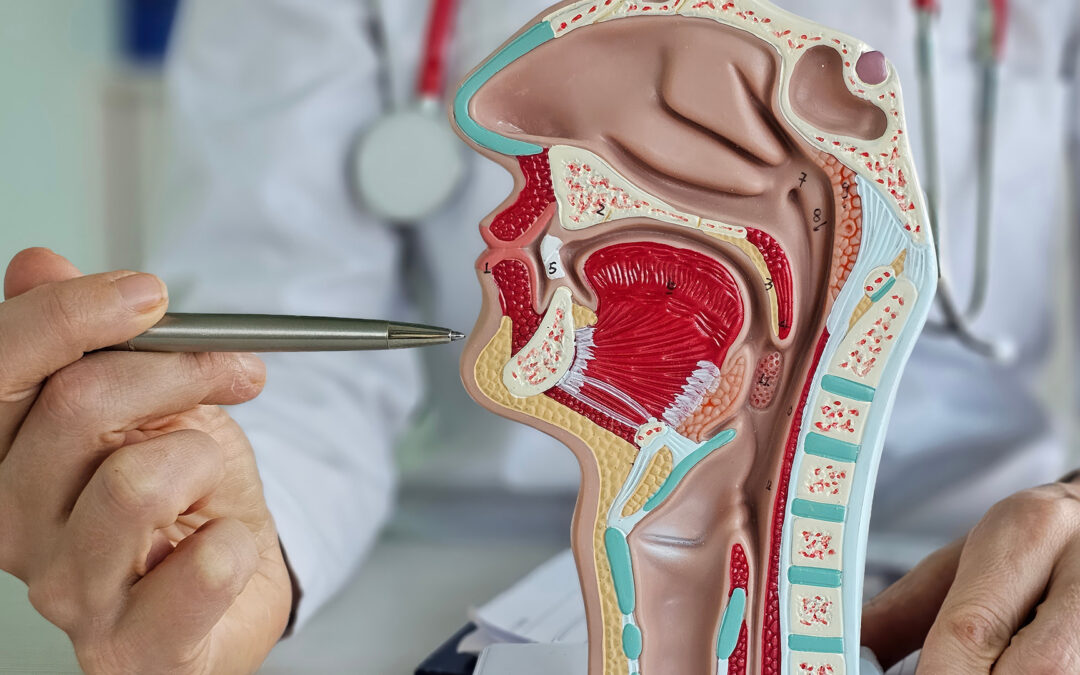
Oral pathology focuses on diseases that affect the mouth, jaws, and related structures. From cysts and benign growths to oral cancer, recognizing changes early and seeking expert evaluation can make a meaningful difference in your health and treatment options. If you notice a sore that does not heal, a new lump, or any unusual changes in your mouth, schedule a professional evaluation promptly. This overview highlights oral pathology: signs of cysts, tumors, or biopsies and why early detection matters, so you know what to watch for and when to seek care.
What Is Oral Pathology?
Oral pathology is the specialty that studies, diagnoses, and manages diseases of the oral cavity, jawbones, salivary glands, and surrounding tissues. It connects what is seen in the clinic with what is found under the microscope to identify the cause of symptoms and guide care.
Oral and maxillofacial pathologists work alongside general dentists, oral surgeons, and medical specialists to interpret biopsies, imaging, and laboratory tests. They provide definitive diagnoses and collaborate on individualized treatment plans that may include monitoring, minor surgery, medications, or referral to oncology when needed.
Common conditions seen in oral pathology include mucoceles and other cysts; fibromas and other benign tumors; aphthous ulcers; lichen planus; leukoplakia and erythroplakia; infections such as candidiasis and herpes; salivary gland disorders; jaw lesions like odontogenic cysts and tumors; and potentially malignant disorders and oral cancers. In some cases, a tumor with tooth displacement or loosening can be the first clinical clue that prompts further investigation.
Signs of Oral Pathology: Cysts, Tumors, and More
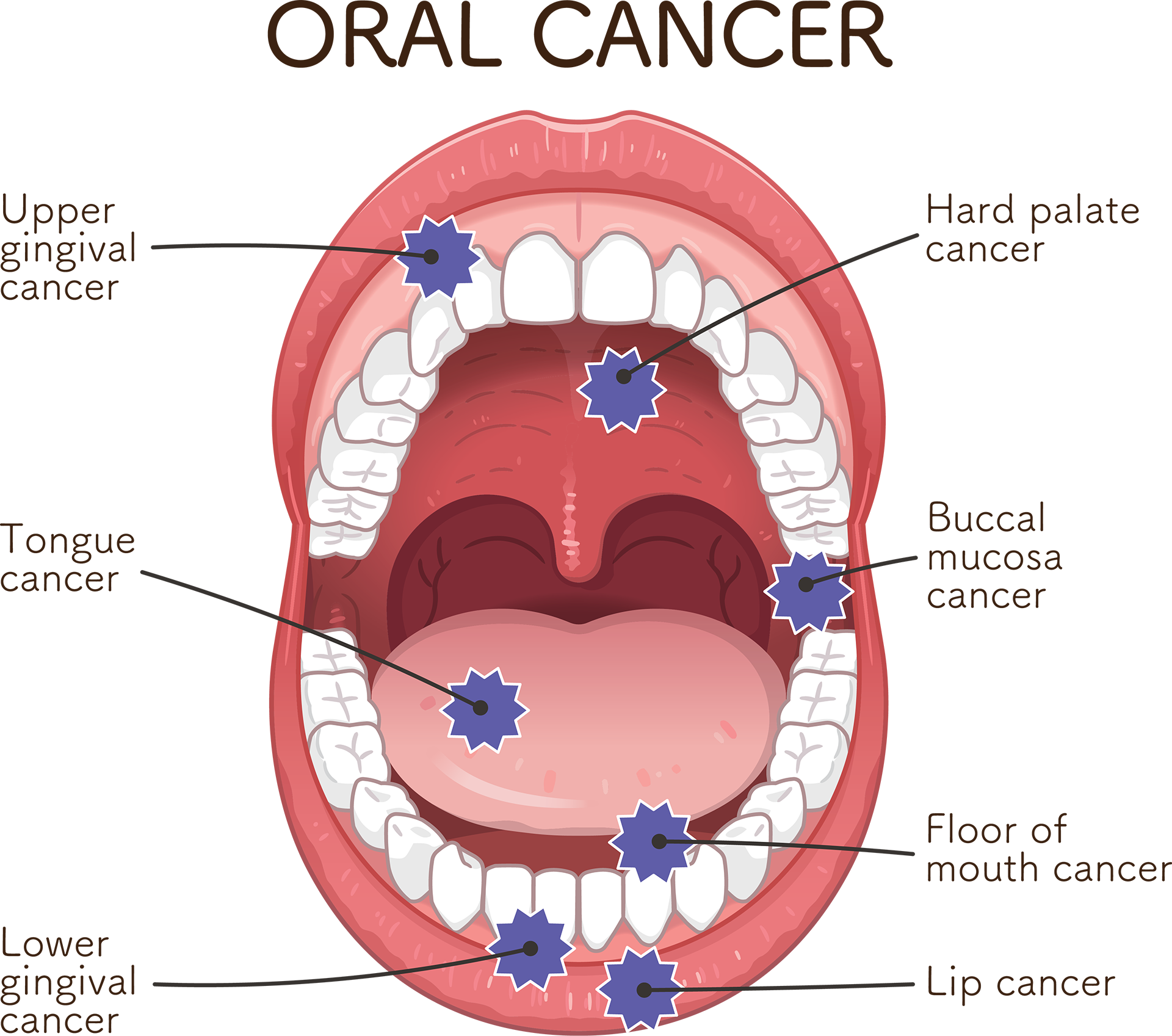
Symptoms of oral cysts and tumors can be subtle at first. Cysts often present as painless swellings in the gums or jaw, a lump under the tongue or inside the lips, or a bump near a tooth that may slowly enlarge. Benign tumors may appear as smooth, firm nodules, while malignant tumors can cause nonhealing ulcers, unexplained bleeding, persistent pain, or numbness. A tumor with tooth movement, loosening, or displacement can also be a warning sign that the supporting bone is affected.
Watch for the following visual and physical signs:
- A sore, ulcer, or white or red patch that does not resolve within two weeks
- A lump, thickening, or swelling in the cheek, tongue, floor of mouth, or lips
- A tooth that becomes loose without gum disease, or a tumor with tooth displacement
- Jaw fullness, facial asymmetry, or difficulty opening the mouth
- Persistent sore throat, hoarseness, or the feeling of something stuck
- Changes in the fit of dentures or your bite, unexplained bleeding, or numbness
Monthly self-examinations can help you spot changes early. Use good lighting and a mirror to check your lips, gums, cheeks, the top and sides of your tongue, the floor of your mouth, and the palate. Gently feel for lumps along the jaw and neck. Regular dental checkups are essential; your dentist screens for suspicious areas at each visit and can recommend timely testing if anything looks unusual. Understanding oral pathology: signs of cysts, tumors, or biopsies and why early detection matters empowers you to act quickly.
Why Early Detection Matters
Timely diagnosis often leads to less invasive treatment, better function, and improved quality of life. Many cysts and benign tumors can be treated conservatively when discovered early, reducing risk to teeth, nerves, and bone. For oral cancer, detecting disease at an early stage significantly improves survival and reduces the need for extensive surgery, radiation, or systemic therapy.
Early intervention helps prevent complications such as infection, pathologic fractures from expanding jaw cysts, nerve injury, and spread of malignant disease. Addressing precancerous changes before they progress can stop cancer from developing in the first place. In oral pathology, early recognition of a tumor with tooth changes can also preserve dentition and jaw structure.
According to national data, the five-year survival rate for localized oral cavity and oropharyngeal cancers can exceed 80% when found early, but drops substantially once cancer has spread to lymph nodes or distant sites. Acting quickly on persistent sores, lumps, or unexplained symptoms is one of the most effective ways to protect your health and exemplifies why oral pathology: signs of cysts, tumors, or biopsies and why early detection matters.
How Are Oral Pathologies Diagnosed?
Diagnosis typically combines a clinical exam with imaging and laboratory tests. Your provider may recommend dental radiographs, panoramic X-rays, CBCT scans, or MRI/CT to evaluate the extent of a lesion. A biopsy, which removes a small tissue sample, is the gold standard for diagnosing many conditions. Depending on the situation, this may be an incisional biopsy (sampling part of a larger area) or an excisional biopsy (removing the entire small lesion). Additional tests can include cultures, cytology, salivary diagnostics, or blood work when systemic conditions are suspected.
Dentists and dental specialists are often the first to spot concerning changes during routine care. They document the lesion’s size, texture, and location; review your medical history and risk factors such as tobacco, alcohol, or HPV exposure; and coordinate referrals to oral surgeons or pathologists for advanced evaluation and treatment planning.
During an oral pathology examination, expect a thorough review of your symptoms, a head and neck exam, and careful inspection and palpation of oral tissues. If a biopsy is needed, local anesthesia keeps you comfortable. Most procedures are quick, and post-biopsy soreness is usually mild. Your care team will explain results and next steps, including monitoring intervals, surgical options, or additional therapy if required. If you notice changes in your mouth that persist beyond two weeks, schedule an appointment promptly, early answers lead to better outcomes in oral pathology.