
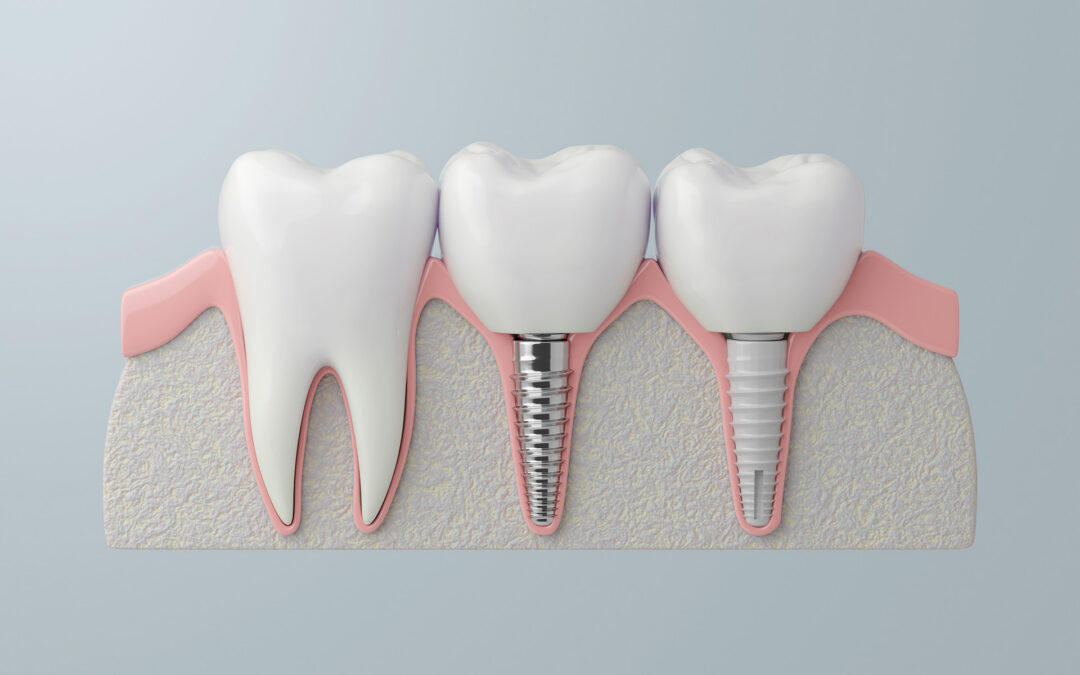
Dental implants replace missing teeth with a solution that looks, feels, and functions like a natural tooth. If you are comparing ceramic vs titanium dental implants, it helps to understand how each material performs in the mouth, what impacts healing and longevity, and who is a good candidate. Use this guide to discuss your options with your dentist or specialist and make a confident decision. Throughout this overview, we’ll revisit the key considerations in ceramic vs titanium dental implants to help you weigh benefits and trade-offs.
How Dental Implants Work
A dental implant is a small post placed in the jawbone to take the place of a missing tooth root. After healing, it supports a crown, bridge, or denture so you can chew comfortably and smile with confidence. Because implants stimulate the jawbone, they help maintain bone density and facial structure after tooth loss.
The typical process includes an exam with imaging, placement of the implant post, a healing period for osseointegration (bone fusing to the implant), placement of an abutment, and a custom-made restoration. Timelines vary based on bone quality, whether bone grafting is needed, and your general health.
Material choice matters because it influences healing, aesthetics, longevity, and maintenance. Titanium has the longest clinical track record, while ceramic provides a metal-free option with a naturally white appearance. Your gum line, bite, medical history, and smile goals all factor into the decision, and they’re central when comparing ceramic vs titanium dental implants for your specific case.
Benefits of Titanium Dental Implants
Titanium implants are known for strength and durability. Their high fracture resistance makes them a reliable choice in high-bite-force areas like the molars. Many titanium systems feature two-piece designs, which give your provider flexibility when restoring single or multiple teeth.
Decades of research support titanium’s success in routine and complex cases. This long history provides predictable protocols and a wide range of components that can be tailored to your anatomy.
Biologically, titanium integrates well with bone through osseointegration. Modern surface treatments promote bone cell attachment and efficient healing. For most patients, this leads to stable results, favorable healing timelines, and long-term function with good home care and regular checkups.
Advantages of Ceramic Dental Implants
Ceramic implants, commonly made from zirconia, offer a tooth-colored, metal-free alternative. In thin or receding gum tissue, the white material reduces the risk of a gray show-through that can occasionally occur with metal components, supporting an ideal smile line.
Ceramic is biocompatible and free of metal, which appeals to patients seeking a holistic option or those concerned about metal sensitivity. True titanium allergies are rare, but for patients with a history of metal sensitivities or certain medical considerations, ceramic can be a thoughtful choice.
Zirconia resists corrosion and is chemically stable in the mouth. Many ceramic implants are designed as one-piece units, eliminating a micro-gap between parts and potentially simplifying hygiene. When properly planned and maintained, they can deliver lasting stability and excellent esthetics.
Ceramic vs. Titanium: Key Differences
| Feature | Titanium Implants | Ceramic (Zirconia) Implants |
| Appearance | Gray metal; generally not visible but may show in very thin gum tissue | White, tooth-like; helps prevent gray shimmer in thin or receded gums |
| Design | Often two-piece, offering angulation and component versatility | Often one-piece, which can simplify the interface but limits adjustments |
| Strength | Exceptional toughness; well suited for high-bite-force areas | High strength; improving designs support a wide range of cases |
| Biocompatibility | Excellent; long history of successful osseointegration | Excellent; metal-free option for those concerned about metals |
| Clinical Evidence | Decades of data with high long-term survival rates | Strong short- to mid-term data; growing long-term evidence |
| Maintenance | Well-established protocols and component options | Smooth, one-piece designs can aid hygiene in select cases |
| Cost | Varies by case and region; broad system availability | Often higher due to manufacturing and system availability |
Longevity for both materials depends on thorough planning, precise placement, and consistent maintenance. Titanium implants have long-term survival data spanning decades. Ceramic implants show excellent results in current studies with maturing designs adding to the evidence. Both types require good oral hygiene, routine professional care, and protection from excessive forces such as uncontrolled clenching or grinding.
Costs vary based on practice, region, and case complexity. Ceramic systems are often priced higher. Insurance may assist with parts of treatment (such as the crown) but often excludes the implant post itself. A preauthorization and a detailed estimate from your provider will clarify expected costs for your specific plan.
Who Is a Good Candidate?
- Gum line and smile esthetics: If your gums are thin or receded, ceramic’s white color may help in highly visible areas.
- Bite forces and habits: Strong bite or grinding may favor titanium’s versatility and fracture resistance; night guards can help protect any implant.
- Medical history: Titanium sensitivity is uncommon, but patients with metal concerns may prefer ceramic; your provider can discuss testing as needed.
- Bone quality and anatomy: Complex angulation or limited bone may benefit from the component options available with titanium systems.
- Hygiene and maintenance: One-piece ceramic designs can simplify cleaning in select cases, but both materials require excellent home care and regular visits.
What to Expect During Consultation and Treatment
Your consultation should include a clinical exam, digital imaging, and a clear discussion of risks, benefits, and alternatives for both materials. Ask about your provider’s experience with each system, expected healing timelines, and steps to protect your investment, such as temporary restorations, occlusal guards, or maintenance schedules.
If you have concerns about allergies or sensitivities, your dentist or specialist can guide appropriate testing and recommend materials that align with your medical history and goals. This is the ideal time to walk through ceramic vs titanium dental implants in the context of your gum health, bite forces, and aesthetic priorities, so your plan reflects the best evidence for your situation.
Making the Right Choice for Your Smile
There is no one-size-fits-all answer in the ceramic vs titanium dental implants discussion. Many patients benefit from titanium’s proven durability, flexibility, and extensive component options, especially for multi-tooth or full-arch restorations. Others place a premium on a metal-free approach and the natural appearance of ceramic, particularly in the front of the mouth.
With careful planning and routine maintenance, both materials can deliver a healthy, functional, and attractive smile for years. A personalized treatment plan, built around your anatomy, esthetic goals, and health considerations, is the best way to ensure predictable, long-lasting results. If you still have questions about ceramic vs titanium dental implants after reviewing these points, bring them to your consultation so your provider can tailor recommendations to your needs.