Numbness after oral surgery is a common, usually temporary experience, especially when treatment occurs near major sensory nerves. Most people notice gradual improvement as anesthesia wears off, swelling decreases, and nerve signaling returns to normal. Understanding why numbness occurs, how recovery typically progresses, and when to seek help can make healing smoother and less stressful. Many patients also ask how long does numbing last after wisdom teeth removal and how to get rid of dental numbness; the guidance below explains what to expect.
Why Numbness Happens
Several routine procedures can briefly affect sensation, including wisdom tooth removal (particularly lower third molars), dental implant placement in the lower jaw, jaw surgery, gum grafts, and root-end surgery. These treatments are performed close to the inferior alveolar, mental, and lingual nerves, which provide feeling to the lower lip, chin, and tongue. Questions like how long does numbing last after wisdom teeth removal arise because local anesthetics and swelling both influence recovery.
Nerves can be irritated by gentle manipulation, pressure from swelling, stretching, or bruising during surgery. Less commonly, a nerve may be cut. In many cases, the effect is mild and resolves as inflammation subsides. Local anesthesia also plays a role: long-acting anesthetics can leave areas numb for several hours. As they wear off, tingling or partial numbness may continue while tissues settle, this often reflects normal healing rather than injury. If you are wondering how to get rid of dental numbness safely, time, swelling control, and careful protection of the area are key.
What You May Feel During Recovery
It is typical to notice numbness or tingling in the lower lip, chin, tongue, or the gums and teeth near the surgical site. Some people describe “pins and needles,” temperature sensitivity changes, or slightly altered taste when the lingual nerve is involved. These are common features of numbness after oral surgery.
Recovery tends to be gradual. Sensation may return in patches with intermittent tingling. If a nerve was bruised (neurapraxia), improvement commonly appears within 4 to 8 weeks. More significant irritation can take several months to improve. Persistent, unchanged numbness beyond three months should be evaluated. During this period, people often search how to get rid of dental numbness; while there is no instant fix, steady improvement is expected.
Watch for warning signs: increasing pain after initial improvement, severe or expanding swelling, fever, difficulty swallowing or breathing, drooling you cannot control due to lip numbness, or a change from tingling to burning or electric-shock pain. These symptoms may signal infection, excessive swelling, or neuropathic pain that needs prompt care.
When to Seek Medical Advice
Contact your oral surgeon promptly if:
Numbness is complete and does not improve within 24 to 48 hours.
Sensation worsens after initial improvement.
You develop severe pain, spreading swelling, fever, foul taste or drainage.
You have difficulty speaking, swallowing, or breathing.
You notice sudden electric-shock pain or new weakness in facial muscles.
Most patients regain sensation gradually. A typical course includes several days for anesthesia to fully wear off and swelling to begin subsiding, 2 to 4 weeks for noticeable improvement in tingling and light touch, and up to 3 to 6 months for slower healing when a nerve was significantly irritated. Your provider may perform sensory testing to monitor progress and discuss how long numbing lasts after wisdom teeth removal in your specific case.
Potential complications of nerve injury include prolonged numbness, altered taste, burning or hypersensitivity (paresthesia or dysesthesia), and, rarely, permanent changes in sensation. Early assessment allows for supportive care such as anti-inflammatory measures, vitamin B complex as advised by your provider, topical desensitizers, neuropathic pain medications, or referral for microsurgical evaluation if appropriate. These steps can help address numbness after oral surgery and guide how to get rid of dental numbness as safely as possible.
FAQs: Numbness After Oral Surgery
How long should numbness last after dental surgery?
Anesthetic-related numbness often resolves within several hours. Mild tingling or patchy numbness from swelling or minor nerve irritation may improve over days to weeks. If numbness is unchanged after three months, schedule an evaluation. If you are asking how long does numbing last after wisdom teeth removal, many patients feel sensation returning the same day, with lingering tingling for a few days.
Is tingling a good sign?
Yes. Tingling or “pins and needles” often indicates a recovering nerve. Sensation may come and go or return in small areas first before normal feeling spreads. This is a typical part of numbness after oral surgery.
Can I speed up nerve healing?
Follow all postoperative instructions, manage swelling with cold compresses in the first 24 to 48 hours and then warm compresses as advised, avoid smoking and alcohol, maintain good oral hygiene, and protect numb areas from accidental biting or burns. Only take supplements or medications as recommended by your provider. These are the safest ways for how to get rid of dental numbness over time.
When is numbness considered serious?
Complete numbness that does not improve within 24 to 48 hours, worsening sensation after initial improvement, severe pain, fever, or trouble swallowing or breathing warrant prompt attention. Contact your oral surgeon right away.
What treatments are available for prolonged numbness or pain?
Depending on the cause, your provider may recommend anti-inflammatory care, vitamin B complex as appropriate, topical desensitizers, and medications for nerve-related pain. If testing suggests a more significant injury, a referral for microsurgical evaluation may be considered.
Should I avoid hot foods or chewing?
Yes, while areas are numb, avoid hot liquids and hard or chewy foods to prevent burns or accidental biting. Choose soft, cool to lukewarm foods until sensation improves.
Dental implants replace missing teeth with a solution that looks, feels, and functions like a natural tooth. If you are comparing ceramic vs titanium dental implants, it helps to understand how each material performs in the mouth, what impacts healing and longevity, and who is a good candidate. Use this guide to discuss your options with your dentist or specialist and make a confident decision. Throughout this overview, we’ll revisit the key considerations in ceramic vs titanium dental implants to help you weigh benefits and trade-offs.
How Dental Implants Work
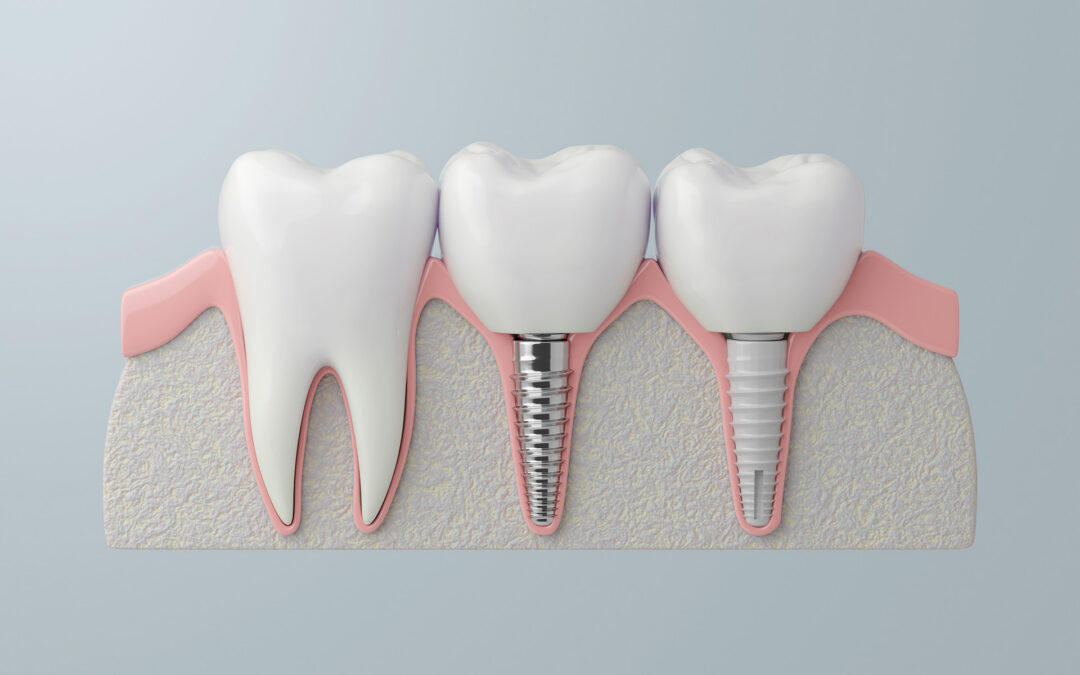
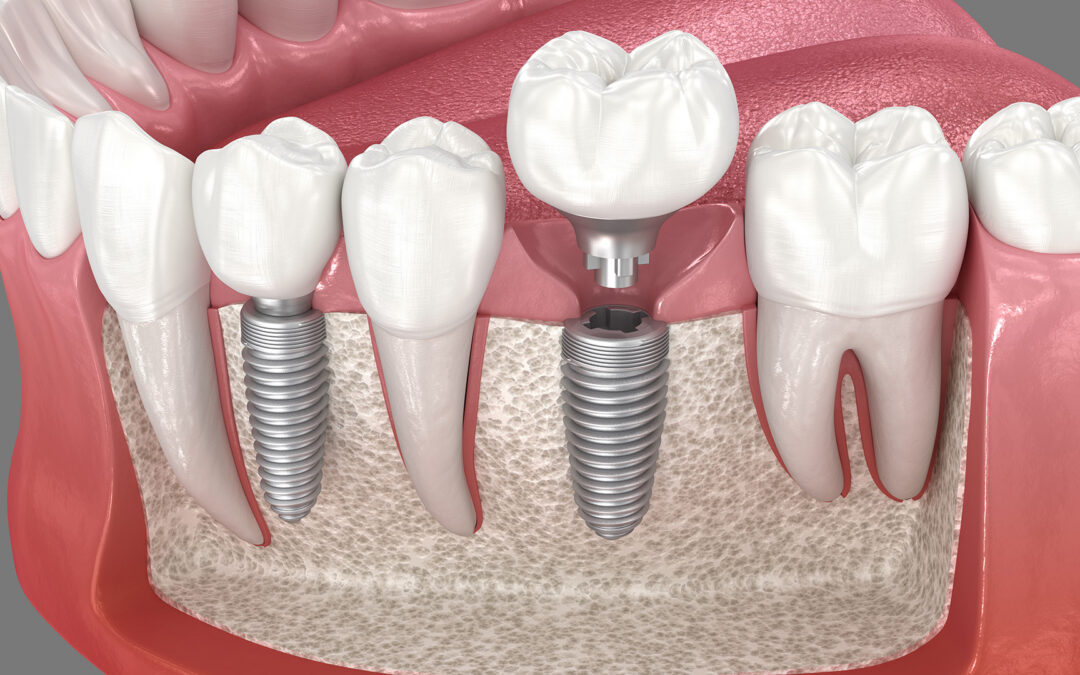
A dental implant is a small post placed in the jawbone to take the place of a missing tooth root. After healing, it supports a crown, bridge, or denture so you can chew comfortably and smile with confidence. Because implants stimulate the jawbone, they help maintain bone density and facial structure after tooth loss.
The typical process includes an exam with imaging, placement of the implant post, a healing period for osseointegration (bone fusing to the implant), placement of an abutment, and a custom-made restoration. Timelines vary based on bone quality, whether bone grafting is needed, and your general health.
Material choice matters because it influences healing, aesthetics, longevity, and maintenance. Titanium has the longest clinical track record, while ceramic provides a metal-free option with a naturally white appearance. Your gum line, bite, medical history, and smile goals all factor into the decision, and they’re central when comparing ceramic vs titanium dental implants for your specific case.
Benefits of Titanium Dental Implants
Titanium implants are known for strength and durability. Their high fracture resistance makes them a reliable choice in high-bite-force areas like the molars. Many titanium systems feature two-piece designs, which give your provider flexibility when restoring single or multiple teeth.
Decades of research support titanium’s success in routine and complex cases. This long history provides predictable protocols and a wide range of components that can be tailored to your anatomy.
Biologically, titanium integrates well with bone through osseointegration. Modern surface treatments promote bone cell attachment and efficient healing. For most patients, this leads to stable results, favorable healing timelines, and long-term function with good home care and regular checkups.
Advantages of Ceramic Dental Implants
Ceramic implants, commonly made from zirconia, offer a tooth-colored, metal-free alternative. In thin or receding gum tissue, the white material reduces the risk of a gray show-through that can occasionally occur with metal components, supporting an ideal smile line.
Ceramic is biocompatible and free of metal, which appeals to patients seeking a holistic option or those concerned about metal sensitivity. True titanium allergies are rare, but for patients with a history of metal sensitivities or certain medical considerations, ceramic can be a thoughtful choice.
Zirconia resists corrosion and is chemically stable in the mouth. Many ceramic implants are designed as one-piece units, eliminating a micro-gap between parts and potentially simplifying hygiene. When properly planned and maintained, they can deliver lasting stability and excellent esthetics.
Ceramic vs. Titanium: Key Differences
Feature
Titanium Implants
Ceramic (Zirconia) Implants
Appearance
Gray metal; generally not visible but may show in very thin gum tissue
White, tooth-like; helps prevent gray shimmer in thin or receded gums
Design
Often two-piece, offering angulation and component versatility
Often one-piece, which can simplify the interface but limits adjustments
Strength
Exceptional toughness; well suited for high-bite-force areas
High strength; improving designs support a wide range of cases
Biocompatibility
Excellent; long history of successful osseointegration
Excellent; metal-free option for those concerned about metals
Clinical Evidence
Decades of data with high long-term survival rates
Strong short- to mid-term data; growing long-term evidence
Maintenance
Well-established protocols and component options
Smooth, one-piece designs can aid hygiene in select cases
Cost
Varies by case and region; broad system availability
Often higher due to manufacturing and system availability
Longevity for both materials depends on thorough planning, precise placement, and consistent maintenance. Titanium implants have long-term survival data spanning decades. Ceramic implants show excellent results in current studies with maturing designs adding to the evidence. Both types require good oral hygiene, routine professional care, and protection from excessive forces such as uncontrolled clenching or grinding.
Costs vary based on practice, region, and case complexity. Ceramic systems are often priced higher. Insurance may assist with parts of treatment (such as the crown) but often excludes the implant post itself. A preauthorization and a detailed estimate from your provider will clarify expected costs for your specific plan.
Who Is a Good Candidate?
Gum line and smile esthetics: If your gums are thin or receded, ceramic’s white color may help in highly visible areas.
Bite forces and habits: Strong bite or grinding may favor titanium’s versatility and fracture resistance; night guards can help protect any implant.
Medical history: Titanium sensitivity is uncommon, but patients with metal concerns may prefer ceramic; your provider can discuss testing as needed.
Bone quality and anatomy: Complex angulation or limited bone may benefit from the component options available with titanium systems.
Hygiene and maintenance: One-piece ceramic designs can simplify cleaning in select cases, but both materials require excellent home care and regular visits.
What to Expect During Consultation and Treatment
Your consultation should include a clinical exam, digital imaging, and a clear discussion of risks, benefits, and alternatives for both materials. Ask about your provider’s experience with each system, expected healing timelines, and steps to protect your investment, such as temporary restorations, occlusal guards, or maintenance schedules.
If you have concerns about allergies or sensitivities, your dentist or specialist can guide appropriate testing and recommend materials that align with your medical history and goals. This is the ideal time to walk through ceramic vs titanium dental implants in the context of your gum health, bite forces, and aesthetic priorities, so your plan reflects the best evidence for your situation.
Making the Right Choice for Your Smile
There is no one-size-fits-all answer in the ceramic vs titanium dental implants discussion. Many patients benefit from titanium’s proven durability, flexibility, and extensive component options, especially for multi-tooth or full-arch restorations. Others place a premium on a metal-free approach and the natural appearance of ceramic, particularly in the front of the mouth.
With careful planning and routine maintenance, both materials can deliver a healthy, functional, and attractive smile for years. A personalized treatment plan, built around your anatomy, esthetic goals, and health considerations, is the best way to ensure predictable, long-lasting results. If you still have questions about ceramic vs titanium dental implants after reviewing these points, bring them to your consultation so your provider can tailor recommendations to your needs.
Dental implants are a highly reliable solution for replacing missing teeth, with strong clinical evidence supporting their long-term success. If you are considering implants, it helps to know how success is measured, which factors influence outcomes, and how to choose a provider who will guide you through a safe, predictable process. Below, you’ll find a clear overview of what dental implants are, typical success rates for dental implants, the benefits and risks, and practical steps to optimize your results. Throughout this guide, we explain how success rates for dental implants are determined and what they mean for your long-term oral health.
What Are Dental Implants?
Dental implants are small titanium or zirconia posts placed in the jaw to act as artificial tooth roots. After they integrate with the bone, they support crowns, bridges, or dentures to restore chewing function, appearance, and stability. Implants are designed to feel and function like natural teeth and are considered a long-term solution.
There are several types:
Endosteal implants: Placed directly into the jawbone and used most frequently.
Subperiosteal implants: Positioned under the gum but above the bone for patients who may not be candidates for endosteal implants.
Mini implants: Narrow-diameter implants used to stabilize dentures or in areas with limited space.
Titanium is the standard material due to its biocompatibility and strength, while zirconia is a metal-free alternative for select cases.
The implant process typically includes:
Evaluation and planning with imaging and digital scans
Surgical placement of the implant
Osseointegration: a healing phase in which the implant fuses with bone
Placement of an abutment (connector)
Attachment of the final restoration (crown, bridge, or denture)
When bone support is inadequate, procedures such as bone grafting or sinus lifts can be performed to prepare the site. With thorough planning and follow-up care, the process is predictable and comfortable for most patients.
Success Rates of Dental Implants
Dental implants consistently achieve high success, with large studies and reviews reporting success rates of about 94% to 98% at five years for single implants. Many studies show success exceeding 90% at ten years. Outcomes can vary slightly by site and load: implants in the front (anterior) region may show higher success due to favorable bone conditions, while implants in the back (posterior) must withstand stronger chewing forces and require careful planning. In general, published success rates for dental implants reflect both implant survival and functional performance over time.
Key factors that influence success include:
General health and medical history
Smoking status and tobacco use
Control of systemic conditions (e.g., diabetes)
Bone volume and density
Gum health and periodontal history
Bite forces and occlusion
Implant design and surface characteristics
Surgical technique and prosthetic planning
Healthy non-smokers typically experience the highest success rates. Well-managed diabetes can yield outcomes similar to those without diabetes, while poorly controlled diabetes increases risk. Tobacco use is linked to higher complication and failure rates, especially in the upper jaw. Older adults often have excellent results when bone quality is sufficient and maintenance care is consistent. A history of gum disease calls for diligent monitoring and cleanings to maintain implant health. When reviewing success rates for dental implants, remember that individual risk profiles and adherence to maintenance play a substantial role in long-term outcomes.
Benefits of Dental Implants
Dental implants deliver both functional and aesthetic benefits that support long-term oral health and quality of life:
Bone preservation: Implants replace the tooth root and help stabilize the jawbone, reducing bone loss after tooth removal.
Support for facial structure: By maintaining bone, implants help preserve facial contours and protect neighboring teeth from drifting.
Natural appearance: Custom implant crowns are matched to your tooth color, shape, and contour and emerge naturally through the gums for a lifelike look.
Long-term value: While the upfront cost may be higher than a bridge or partial denture, implants can last for decades with proper care, reducing the need for replacements and maintenance.
Tooth preservation: Implants do not require reshaping adjacent healthy teeth, as is often needed for a traditional bridge.
Factors Affecting the Success of Dental Implants
Your overall health, daily habits, and oral environment play a central role in outcomes:
Medical status: Non-smokers and patients with well-controlled conditions such as diabetes or osteoporosis tend to heal better and experience more predictable results. Some medications (e.g., certain bisphosphonates or immunosuppressants) can affect bone metabolism and healing; share a complete medical history during your consultation.
Bone and gum health: Adequate bone volume and density are essential for implant stability. When bone is insufficient, guided bone regeneration, ridge augmentation, or sinus lifts can create a suitable foundation. Healthy gums help prevent inflammation and infection (peri-implant disease).
Oral hygiene and maintenance: Consistent home care and professional follow-up are critical. Brush twice daily with a soft-bristled brush, use interdental cleaners or a water flosser around the implant, and attend regular cleanings and exams. Your dentist may recommend a personalized maintenance schedule and periodic imaging to monitor bone levels.
These factors can significantly influence success rates for dental implants. Optimizing health, controlling inflammation, and ensuring precise surgical and restorative planning are central to achieving durable, high-performing results.
Risks and Complications Associated with Dental Implants
Dental implants are highly predictable, but complications can occur. Early postoperative effects often include temporary pain, swelling, bruising, and minor bleeding. Less common early complications may involve infection at the surgical site, delayed healing, or implant movement if excessive forces occur before osseointegration.
Later complications can include:
Peri-implant mucositis (gum inflammation around the implant)
Peri-implantitis (inflammation with bone loss)
Mechanical issues such as loose abutment screws or fractured crowns
Rarely, implant fracture
Signs of potential implant failure include persistent pain beyond the expected healing period, mobility of the implant or restoration, gum recession revealing implant threads, bleeding or pus around the implant, unusual taste or odor, and progressive bone loss seen on radiographs. Contact your dentist promptly if you notice any of these symptoms, early intervention can often stabilize or reverse problems.
Risk reduction begins with comprehensive planning. 3D imaging helps identify anatomical structures and optimize implant placement. Managing medical conditions, quitting smoking, and treating gum disease before surgery improve outcomes. After surgery, follow instructions closely: avoid tobacco, adhere to dietary recommendations, take prescribed medications, keep the area clean, and attend follow-up visits. Long term, maintain excellent oral hygiene and routine professional care to protect your investment.
Choosing the Right Dental Implant Provider
The experience and protocols of your implant provider are closely tied to success. Seek a dentist or specialist with advanced training in implant surgery and restorative dentistry, ongoing continuing education, and access to technologies such as cone-beam CT and digital planning tools. A provider who coordinates diagnosis, surgical placement, and final restoration can streamline care and support predictable outcomes.
Ask targeted questions during your consultation:
How many implant cases do you complete annually?
Do you use 3D imaging and guided surgery?
How do you evaluate bone and soft tissue, and will I need grafting or a sinus lift?
Which implant systems do you use, and why?
What is the expected timeline for healing and restoration?
How are complications managed if they arise?
What maintenance plan will you recommend for my specific risk profile?
Patient reviews and testimonials can provide insight into comfort, communication, and long-term follow-up. Look for consistent feedback on clarity of expectations and satisfaction with outcomes. A transparent provider will discuss realistic success rates for dental implants tailored to your health, anatomy, and goals, and share case examples when appropriate.
Dental Implant Success Rates: Quick Reference
Time Frame
Typical Success Rate
Key Influences
5 years (single implants)
Approximately 94%–98%
General health, smoking, bone quality, surgical technique
10 years
Frequently exceeds 90%
Long-term hygiene, maintenance, prosthetic design
Anterior vs. posterior
Anterior often slightly higher
Bone conditions and bite forces
Use this table to understand how success rates for dental implants are commonly reported in clinical studies. Individual results may vary based on personal risk factors and adherence to maintenance protocols.
How to Prepare for the Best Outcome
Preparation and follow-through can significantly improve success and satisfaction. Consider the following steps:
Medical review: Share a complete medical history, including medications and allergies.
Lifestyle adjustments: Quit smoking and limit alcohol during healing to support tissue recovery.
Oral health optimization: Treat gum disease and cavities before implant placement.
Bite evaluation: Address clenching or grinding with night guards or occlusal adjustments as needed.
Nutritional support: Follow a balanced diet to aid healing and bone health.
Home care routine: Brush and clean interdentally daily, and use antimicrobial rinses if recommended.
Scheduled follow-up: Keep all review appointments to monitor healing and maintain the restoration.
These steps help align your personal care with the clinical factors that drive high success rates for dental implants, setting the stage for stable, long-lasting restorations.
Is a Dental Implant Right for You?
Most healthy adults with sufficient bone and good oral hygiene can be candidates for dental implants. If bone is limited, grafting or sinus augmentation can expand your options. Patients with controlled medical conditions often do well, while smokers or those with uncontrolled systemic disease have higher risks and may require additional planning.
If you’re exploring dental implants, a thorough consultation can help you understand your specific risk factors, expected timelines, and long-term maintenance to achieve a predictable, lasting result. Discuss success rates for dental implants with your provider so you can make an informed decision based on your health, anatomy, and goals, and ensure your plan includes appropriate follow-up and preventive care.