
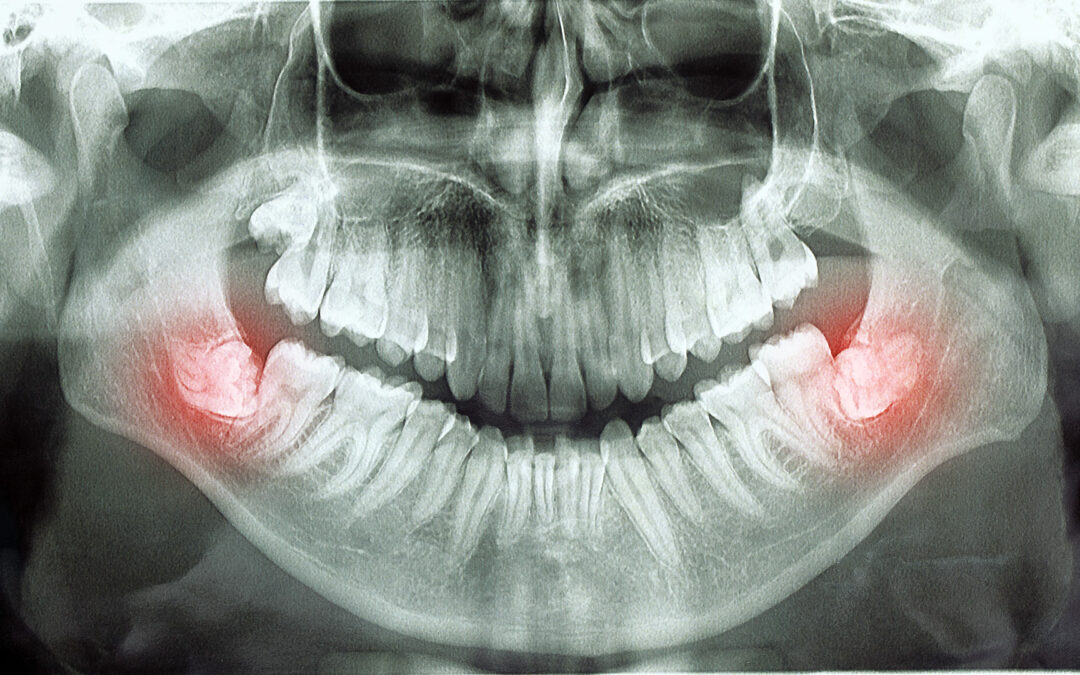
Wisdom teeth, or third molars, are the last adult teeth to develop and erupt. For many people, these teeth do not have adequate room to come in properly, which can lead to issues that affect comfort, gum health, and tooth alignment. Knowing when removal is recommended allows you to prevent complications such as pain, infection, crowding, and damage to nearby teeth. This page explains why you may need your wisdom teeth removed, what is the purpose for wisdom teeth, and addresses the common question of why do we need wisdom teeth, so you can make informed decisions about evaluation and timing.
Understanding Wisdom Teeth
Wisdom teeth are located at the very back of the upper and lower jaws, behind the second molars. Historically, they aided in chewing tougher foods, but modern diets and generally smaller jaws mean these teeth often don’t have enough space to grow straight and fully erupt. Most people have four wisdom teeth, though some may have fewer—or none at all. When considering what is the purpose for wisdom teeth, it helps to recognize that their evolutionary role in grinding fibrous foods is less relevant today, which partly explains why you may need your wisdom teeth removed.
These molars typically begin to emerge between ages 17 and 25, but the timeline varies. Some third molars remain beneath the gums or within the jawbone. Early evaluation in the late teenage years gives your dental and orthodontic team time to monitor their development, assess available space, and plan to protect your alignment and long-term oral health. Asking why we need wisdom teeth is common; for many individuals, the lack of space and cleaning challenges mean these teeth can become liabilities rather than assets.
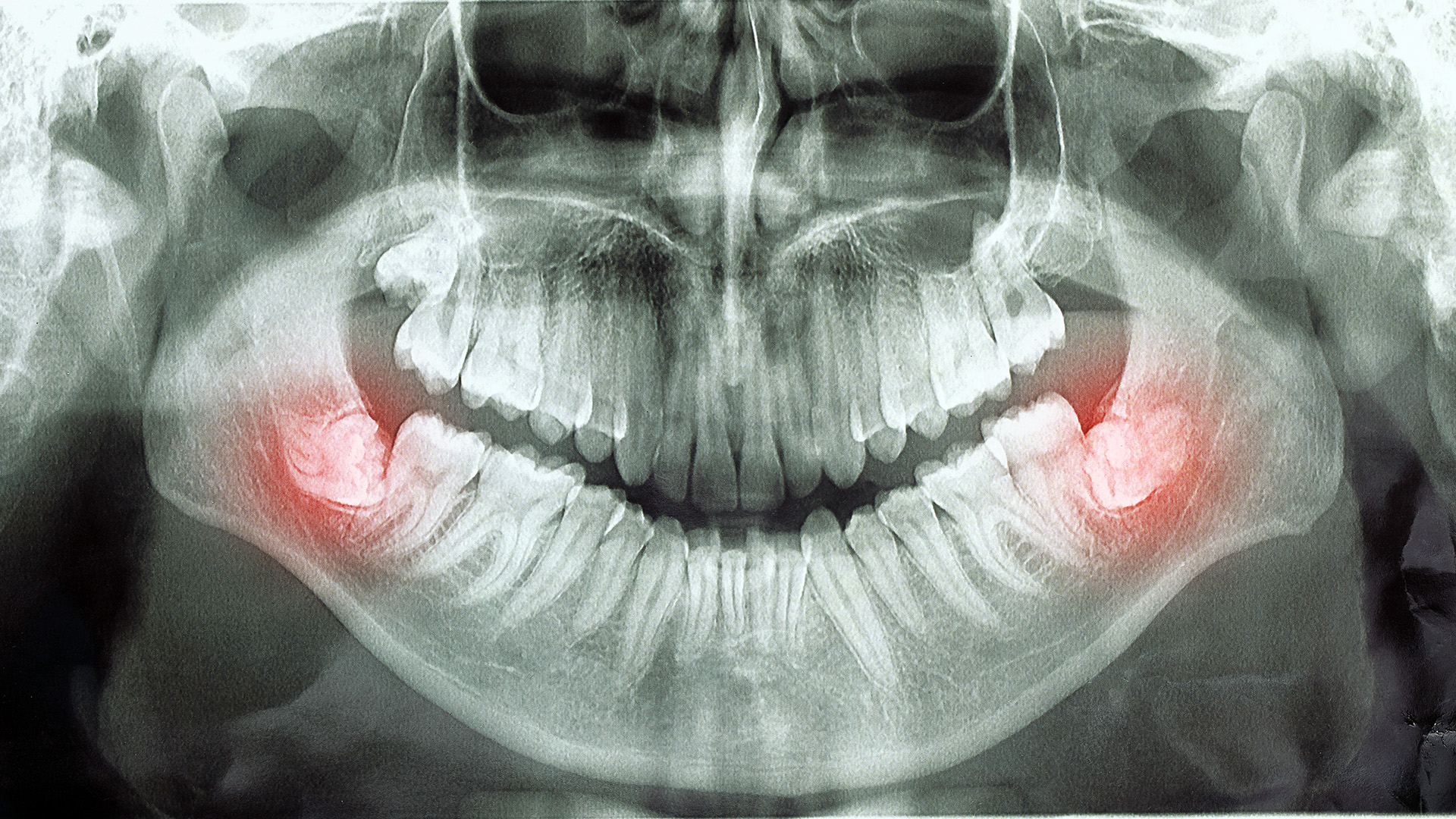
Because of their position and angulation, wisdom teeth can erupt in several ways: straight up, tipped toward neighboring teeth, angled toward the cheek or tongue, or lying horizontally under the gums. Their location makes it challenging to brush and floss effectively. When they are partially erupted or impacted, plaque and bacteria can accumulate around the gum tissue, increasing the risk of decay, inflammation, and infection. These factors contribute to why you may need your wisdom teeth removed, even if you understand what is the purpose for wisdom teeth from a historical perspective.
Common Reasons for Wisdom Teeth Removal
Impaction and structural damage: Impaction occurs when a wisdom tooth is blocked from erupting correctly by bone, gum tissue, or adjacent teeth. Impacted teeth may press against the second molars, damage roots, or contribute to bone loss. They can also form cysts or, more rarely, tumors that affect jaw structures. Food and bacteria often become trapped beneath the gum flap over an impacted tooth, leading to irritation and recurrent infections. Removing impacted wisdom teeth can prevent pain and help protect the integrity of your teeth and jawbone, which explains why you may need your wisdom teeth removed despite wondering why we need wisdom teeth.
Crowding and alignment concerns: Third molars that push forward can place pressure on existing teeth, contributing to crowding or bite changes. For patients who have completed braces or clear aligner therapy, this is particularly important: unwanted movement may diminish your orthodontic results. In select cases, proactive removal reduces the risk of shifting and supports long-term stability of your smile. Even when reflecting on what is the purpose for wisdom teeth, the potential for crowding often leads to removal.
Infection and gum disease: Partially erupted wisdom teeth often create a pocket that is difficult to clean. This can cause pericoronitis, an inflammatory condition in the gum tissue around the tooth, resulting in swelling, tenderness, bad breath, and a bad taste. Persistent inflammation can spread, increasing the risk of broader periodontal problems. If hygiene is consistently challenging or infections recur, removal may be recommended to support gum health. These hygiene limitations can make the answer to why you may need your wisdom teeth removed clear, even for those asking why do we need wisdom teeth in the first place.
Other treatment-related reasons: Your dental team may suggest removal when tooth decay is present in a location that is hard to reach and restore, when recurrent pain or swelling is linked to the third molars, or when imaging shows cysts, bone changes, or damage to neighboring roots. In some orthodontic plans, removal can also make future tooth movement more predictable or help evaluate jaw growth without interference from problematic third molars. Balancing what is the purpose for wisdom teeth with modern oral health needs often supports timely removal.
Signs You May Need a Consultation
Pain or pressure at the back of the mouth: Discomfort behind the last molars, aching in the jaw, or sharp pain when chewing can indicate impacted or partially erupted wisdom teeth. Some patients experience headaches or earaches due to referred pain. If your symptoms recur or intensify, it’s a good time to schedule an evaluation to learn why you may need your wisdom teeth removed.
Swelling, infection, or limited opening: Tender or red gums near the wisdom teeth, a persistent bad taste, or difficulty opening your mouth may signal inflammation or infection. You might notice puffiness in the cheeks or bleeding when brushing around the back molars. Prompt assessment helps prevent complications and protects the surrounding teeth and tissues, and can answer questions like what is the purpose for wisdom teeth and why do we need wisdom teeth when symptoms arise.
New crowding or bite changes: Overlapping front teeth, shifting after orthodontic treatment, or increased tightness when flossing near the back molars can be signs that third molars are exerting pressure. If you’ve completed braces or clear aligners, regular monitoring of wisdom teeth is important to maintain your results. Dental teams review X-rays, measure available space, and collaborate to determine if and when removal may help sustain a healthy alignment and clarify why you may need your wisdom teeth removed.
Consider booking a consultation if you notice any of the following:
- Ongoing jaw soreness or pressure near the last molars
- Gum swelling, bad breath, or repeated infections around the wisdom teeth
- New crowding or bite changes, especially after orthodontic treatment
- Difficulty keeping the back molars clean despite good home care
What to Expect During Evaluation and Treatment
During your evaluation, your oral surgery team will examine your mouth and review panoramic X-rays or 3D imaging to assess tooth position, root development, and available space. They consider your age, symptoms, gum health, and orthodontic history to determine whether observation, improved hygiene strategies, or removal is the best approach. Not all wisdom teeth need to be removed; in some cases, careful monitoring is appropriate if the teeth are healthy, fully erupted, and easy to keep clean. This balanced approach addresses what is the purpose for wisdom teeth and helps answer why we need wisdom teeth in modern oral care.
If removal is recommended, a dentist or an oral surgeon will discuss the procedure, anesthesia options, recovery timeline, and aftercare instructions. Most extractions are completed in a single appointment. Post-operative care typically includes rest, cold compresses, and over-the-counter or prescribed pain relief as needed. Following instructions on oral hygiene, diet, and activity helps reduce swelling and supports smooth healing. Understanding these steps can clarify why you may need your wisdom teeth removed and what to expect throughout the process.
How Dental and Orthodontic Teams Support Your Smile
The goal is to help you protect your alignment and overall oral health. Care teams often work in partnership to:
- Evaluate how your wisdom teeth may affect your bite, spacing, and stability
- Time removal, when appropriate, to safeguard orthodontic results
- Coordinate imaging and communication across providers
- Provide guidance on retainers and long-term maintenance after treatment
Whether you’re preparing for orthodontic treatment or maintaining your results, you’ll receive clear information about what is the purpose for wisdom teeth, why do we need wisdom teeth, and why you may need your wisdom teeth removed based on your specific situation.
Schedule a Wisdom Teeth Evaluation
If you’re experiencing discomfort, noticing changes in your bite, or want to plan ahead before starting orthodontic treatment, consider booking a consultation. A thorough review of your X-rays, your goals, and your oral health history can help determine whether monitoring or removal is the right next step for your smile. This evaluation can also address common questions, including what is the purpose for wisdom teeth and why do we need wisdom teeth today, and provide personalized guidance on why you may need your wisdom teeth removed.