

Dental implants are a reliable, modern solution for replacing missing teeth and restoring natural function and appearance. If you have a gap from a lost tooth, a severely damaged tooth, or a failing restoration, an implant can help protect your oral health, improve your bite, and renew your confidence in your smile. This guide explains what implants are, why they may be recommended, their benefits, the pros and cons of dental implants, and what to expect during treatment. Understanding why you may need a dental implant helps you make an informed choice about your long-term oral health.
Understanding Dental Implants
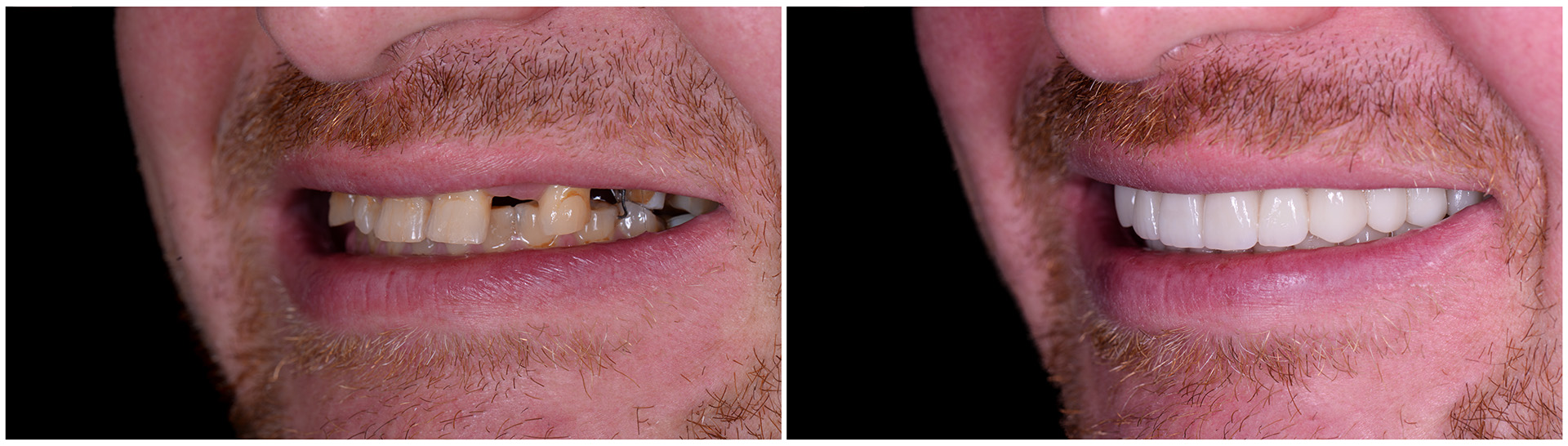
A dental implant is a small, biocompatible post placed in the jawbone to replace a natural tooth root. After the implant integrates with the surrounding bone, it supports a custom crown, bridge, or denture for a secure, natural-feeling replacement. Implants restore chewing efficiency, help maintain jawbone volume, and prevent neighboring teeth from shifting into the empty space.
Implant options include:
- Single-tooth implants to replace one missing tooth with a post and crown.
- Implant-supported bridges to span areas of multiple missing teeth without altering adjacent natural teeth.
- Implant-retained or implant-supported dentures to anchor full or partial dentures for improved stability and comfort.
- Specialized solutions such as mini implants or zygomatic implants in select cases based on bone quality and anatomy.
Implants differ from other replacements in important ways. Traditional bridges require reshaping neighboring teeth, while implants do not. Removable partials and full dentures can shift and reduce bite strength; implants are fixed and feel more like natural teeth. Because they transmit chewing forces to the bone, implants also help prevent the bone loss that often follows tooth loss. These distinctions are central to understanding the pros and cons of dental implants as part of your treatment planning.
Reasons You May Need a Dental Implant
Missing teeth can cause long-term changes in your mouth. Adjacent teeth may drift into the gap, leading to crowding or misalignment. The opposing tooth can over-erupt, increasing sensitivity or fracture risk. Without a tooth root, the jawbone in that area can gradually resorb, altering facial contours and making future restorations more complex. These functional and structural changes illustrate why you may need a dental implant to stabilize your bite and preserve bone.
Common reasons for implant treatment include tooth loss from decay, gum disease, trauma, or fractures, as well as failed root canal treatments or replacement of older bridges and dentures that no longer fit well. If a tooth is cracked below the gumline or repeatedly infected, extraction followed by an implant often provides the most predictable, long-term solution. Discussing the pros and cons of dental implants with your dental team helps determine whether immediate placement or staged treatment is appropriate.
Beyond appearance, gaps affect function. Chewing can become less efficient, speech may change, and remaining teeth can experience excessive stress. Placing an implant restores balance to your bite, preserves jawbone volume, and maintains proper spacing of teeth. For many patients, implants reduce future dental work by stabilizing the bite and protecting surrounding structures. Understanding why you may need a dental implant at the time of extraction can simplify treatment and optimize outcomes.
Benefits of Dental Implants
Implants support better oral health by allowing you to clean your teeth and gums effectively. Because the restoration is fixed, there are no clasps or bulky parts that trap food, and you can brush and floss much like you would with natural teeth. By transferring chewing forces to the jawbone, implants help maintain healthy bone density and natural gum contours.
Aesthetically, implants look and feel like natural teeth. The crown’s shape and shade are customized to blend with your smile, supporting confident speaking, eating, and laughing. Improved stability also enhances comfort by eliminating the slippage and pressure points that can occur with removable dentures.
Implants are designed for durability. With proper care, the implant post can last for decades. While the initial investment may be higher than some alternatives, preserving adjacent teeth, minimizing future replacements, and reducing maintenance often make implants a more economical choice over time. These advantages are key when weighing the pros and cons of dental implants.
The Pros and Cons of Dental Implants
| Pros | Cons |
| Preserve jawbone density and facial contours | Require surgery and healing time |
| Do not rely on or reshape adjacent teeth | Higher upfront cost than some alternatives |
| Stable, natural-feeling function and aesthetics | Not suitable for all patients without preparatory procedures |
| Long-term durability with proper care | Risk of complications such as infection or implant failure |
| Easy to clean like natural teeth | May need bone grafting or sinus lift in low-bone areas |
Reviewing the pros and cons of dental implants with a clinician helps align expectations, budget, and health considerations. This balanced view supports clear decision-making when exploring why you may need a dental implant versus another restoration.
The Dental Implant Process
The journey begins with a consultation and thorough evaluation. Your dentist or specialist will review your medical and dental history, take digital scans or X-rays, and assess bone volume and gum health. If needed, preparatory procedures such as tooth extraction, bone grafting, or sinus lift may be recommended to create an ideal foundation for the implant.
During the surgical appointment, the implant post is placed into the jawbone under local anesthesia. Sedation options may be available for added comfort. Healing and osseointegration, the process of bone bonding to the implant, typically takes 3 to 6 months, depending on your health and the implant site. In some cases, a temporary crown or provisional restoration can be provided. After the implant is stable, an abutment is attached, and a custom crown, bridge, or denture is fitted to complete your restoration.
Post-implant care focuses on keeping the gums and implant clean and healthy. Follow these guidelines:
- Brush twice daily with a soft-bristled brush and use non-abrasive toothpaste.
- Floss daily, and consider interdental brushes or a water flosser around the implant.
- Attend routine checkups and professional cleanings to monitor implant stability and gum health.
- Avoid smoking, manage systemic conditions like diabetes, and wear a night guard if you clench or grind your teeth.
With consistent care and regular follow-ups, implants provide long-lasting function and aesthetics, helping you maintain a healthy, confident smile. Evaluating the pros and cons of dental implants, alongside why you may need a dental implant for your specific situation, ensures a personalized, well-informed treatment plan.