

Dental implants are a leading solution for replacing missing teeth because they look, function, and often feel very close to natural teeth. If you are considering implants, you likely want to know how they will feel day to day, when you chew, speak, and smile. This guide explains what implants are, how the process works, what to expect from their sensation, and how to care for them long term. Many people ask, do dental implants feel like real teeth, and the short answer is that they can feel remarkably natural once healing is complete.
Understanding Dental Implants
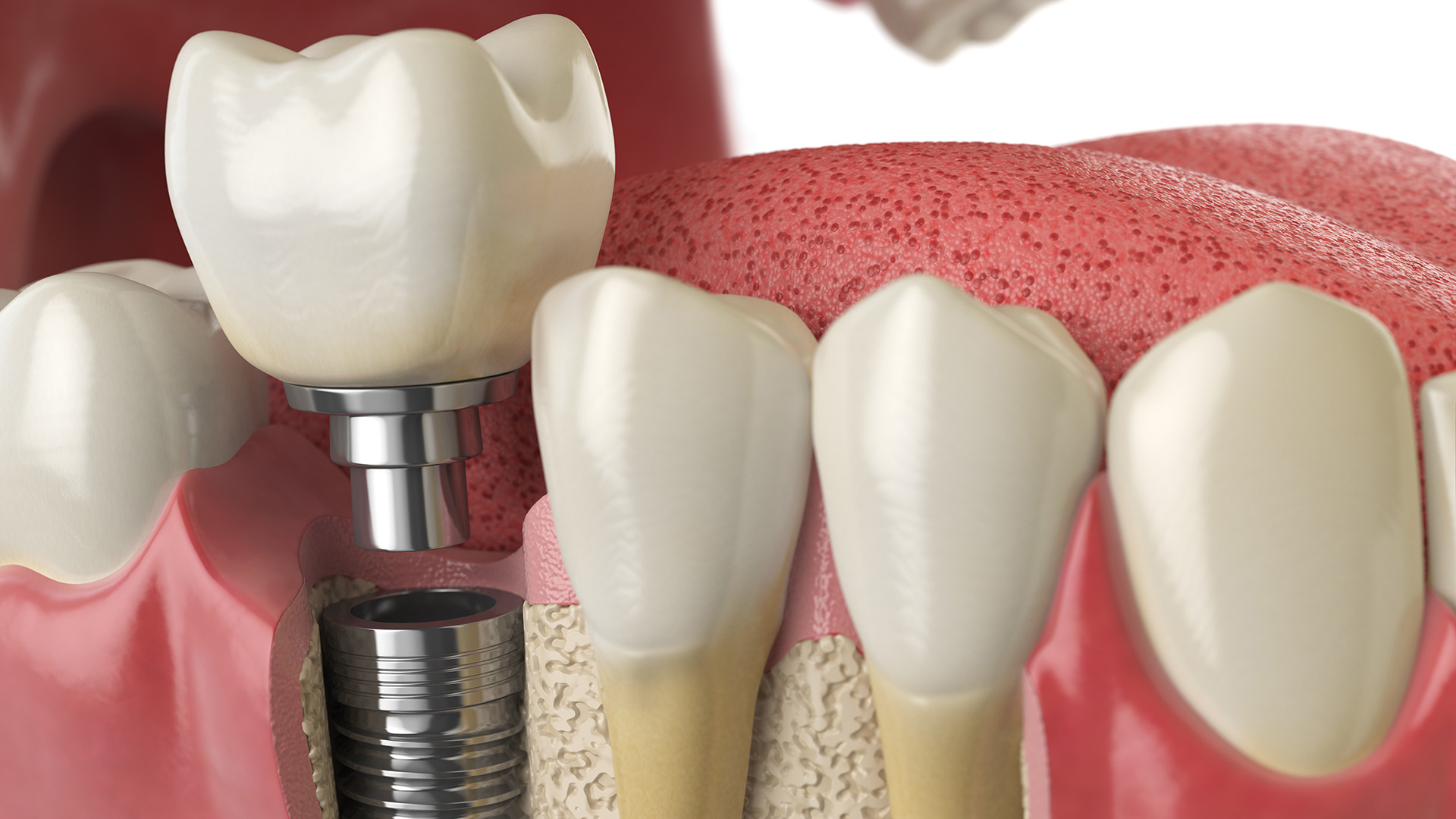
Dental implants are small, biocompatible posts, most commonly titanium or zirconia, that act as artificial tooth roots. Each implant supports an abutment (a connector) and a custom crown designed to match the color and shape of your surrounding teeth. Together, these components create a stable, lifelike replacement for a missing tooth.
Implants are designed to function like natural teeth through a process called osseointegration. Over several months, the implant fuses with the jawbone, creating a firm foundation that withstands normal biting and chewing forces. Because the crown emerges through the gum line and is fixed in place, it provides a natural appearance and a secure feel.
Common implant options include:
- Single-tooth implants to replace an individual tooth with one post and crown.
- Implant-supported bridges to restore multiple adjacent teeth using fewer implants.
- Full-arch solutions, such as implant-retained dentures or full fixed bridges, to replace an entire upper or lower arch with as few as four to six implants.
The Dental Implant Procedure
Your journey starts with a comprehensive consultation that includes a clinical exam, digital imaging, and a review of your medical history. Your dentist or specialist will create a personalized treatment plan based on bone quality, bite alignment, and your cosmetic goals.
The typical step-by-step process includes:
- Site preparation and, if needed, bone grafting to ensure adequate support.
- Implant placement, where the post is inserted into the jawbone.
- A healing period for osseointegration, usually several months.
- Abutment placement once the implant has integrated.
- Fabrication and placement of the final crown for a natural look and feel.
Most patients can expect three to six months from implant placement to final restoration, depending on healing and whether bone grafting is required. Some cases allow for immediate temporary restorations, giving you a natural-looking provisional while the implant heals.
Anesthesia and comfort options are tailored to your needs. Local anesthesia is standard for placement, and sedation can be offered for anxiety or complex cases. Post-procedure discomfort is typically mild to moderate and manageable with over-the-counter pain relievers and simple home care instructions.
Do Dental Implants Feel Natural?
Yes, dental implants often feel very natural once healing is complete. The sensation is influenced by several factors: jawbone quality and density, precise implant positioning, the fit and materials of the crown, your bite alignment, and how your body heals. When these elements are optimized, the result is a stable, comfortable tooth replacement. It is common to ask, do dental implants feel like real teeth, because patients want to understand how closely implants can mimic the experience of natural teeth.
Compared with natural teeth, implants are similar in function and appearance but do not have a periodontal ligament, the tiny elastic fibers that connect natural teeth to bone. Without this ligament, implants lack the same pressure sensation and feel more rigid when you bite. Most people adapt quickly and appreciate the stability.
Compared with other options, implants generally feel more secure than removable dentures, which can shift or cause sore spots. Unlike traditional bridges, implants do not rely on neighboring teeth for support, preserving natural tooth structure and often providing a more natural chewing experience.
Patients commonly report that after an initial adjustment period, they forget the implant is there. Many enjoy confidence eating a wide range of foods, clear speech without clicking or slipping, and a natural look that blends with their smile.
Caring for Your Dental Implants
Daily care for dental implants is straightforward and mirrors good oral hygiene for natural teeth. Brush twice a day with a soft-bristled toothbrush and a low-abrasive toothpaste. Clean between teeth and around the implant with floss designed for implants, interdental brushes, or a water flosser to remove plaque at the gum line.
Regular dental checkups are essential. Professional cleanings help prevent peri-implant disease, and periodic X-rays allow your dentist to monitor bone levels around the implant. If you grind your teeth, a custom nightguard may be recommended to protect the implant and surrounding teeth.
Common issues and solutions include:
- Mild gum irritation, which often improves with enhanced home care and professional cleanings.
- Sensitivity or bite imbalance, typically resolved with an adjustment to the crown.
- Inflammation around the implant (peri-implant mucositis), which can be reversed with timely treatment.
If you notice mobility, persistent pain, or swelling, contact your dentist promptly for evaluation. With proper care, dental implants can feel natural and deliver long-lasting results.