

Dry socket is a common concern after wisdom teeth removal, but careful aftercare significantly lowers your risk. This guide explains what dry socket is, who is more likely to develop it, practical steps to prevent it, how to recognize symptoms early, and what treatment involves if it occurs. If you are searching for how to avoid getting dry socket after wisdom teeth removal the tips below can help you protect the healing site. Always follow your oral surgeon’s instructions and use these recommendations to support a comfortable, complication-free recovery.
What Is Dry Socket?
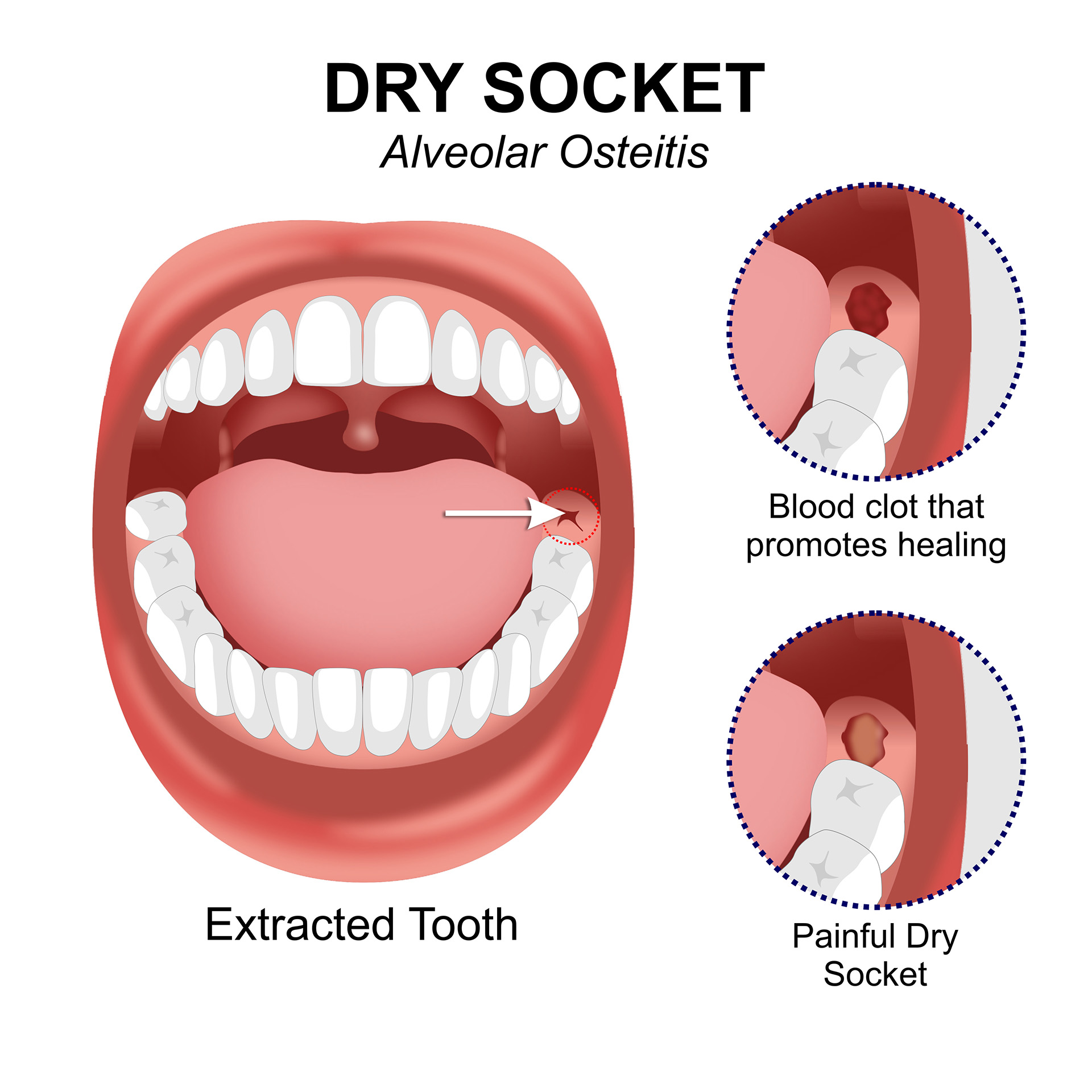
Dry socket (alveolar osteitis) happens when the protective blood clot in the extraction site dissolves too soon, dislodges, or fails to form. Without this clot, the underlying bone and nerve endings are exposed, causing significant pain and slowing healing.
After wisdom tooth extractions, especially in the lower jaw, the sockets can be deep and harder to keep stable. The clot functions like a natural bandage, shielding the area from food particles, bacteria, and air. If the clot is lost, pain can intensify and may radiate to the ear, temple, or neck on the affected side.
Dry socket typically appears 1 to 3 days after surgery. It occurs in about 2–5% of routine extractions and up to 10–30% for impacted lower wisdom teeth. With diligent post-operative care, you can greatly reduce the risk. Learning how to avoid dry socket starts with keeping the clot intact and minimizing any actions that disrupt healing.
Who Is at Higher Risk?
Several factors increase the likelihood of dry socket. Knowing your risk helps you take extra precautions and follow aftercare instructions closely.
- Age: Patients over 25 may have denser bone and more complex extractions.
- Smoking or vaping: Nicotine and suction disrupt clot formation and stability.
- Hormonal factors: Oral contraceptives may affect clot stability.
- History: Prior dry socket or poor oral hygiene increases risk.
- Alcohol use and certain medications: Blood thinners and other drugs can affect clotting.
Surgical complexity also matters. Impacted teeth, longer procedures, or cases involving greater bone removal can increase inflammation and strain the clot. Skilled surgeons use gentle techniques, thorough irrigation, and appropriate suturing to lower risk.
Behaviors that raise risk include rinsing or spitting too aggressively soon after surgery, using straws during the first week, and smoking within the first 72 hours. If you’re in a higher-risk group, ask your provider about preventive options like medicated dressings or specific rinses. Understanding how to avoid getting dry socket after wisdom teeth removal is especially important when these risk factors apply.
How to Prevent Dry Socket
Post-operative care is the most important factor in avoiding dry socket. Follow your surgeon’s written instructions exactly, and call the office if you have questions. The actions below outline how to avoid dry socket during the critical first days after extraction.
Do
- Keep gauze in place as directed right after surgery, and change it gently.
- Rest with your head elevated for the first 24–48 hours.
- Apply cold packs intermittently during the first day to reduce swelling.
- Take prescribed medications on schedule, including pain relievers and any antibiotics or antimicrobial rinses.
- Start gentle saltwater rinses 24 hours after surgery (½ teaspoon salt in 1 cup warm water) after meals and before bed.
- Protect the area by avoiding contact with fingers or your tongue.
Avoid
- Smoking, vaping, or nicotine for at least 72 hours, ideally for a full week.
- Straws and any strong sucking motion.
- Forceful spitting or vigorous rinsing in the first 24 hours.
- Alcohol and very hot liquids early on.
- Strenuous exercise for 3–5 days, since increased blood pressure can disrupt the clot.
Diet and Hydration
Begin with cool, soft foods that are easy to chew and won’t irritate the socket. Good choices include yogurt, applesauce, mashed potatoes, smoothies (without straws), scrambled eggs, and well-cooked pasta. Avoid crunchy, spicy, or seedy foods, chips, nuts, popcorn, and rice can lodge in the socket. Skip extremely hot foods and carbonated or alcoholic beverages early in recovery. Drink plenty of water. If you are focused on how to avoid getting dry socket after wisdom teeth removal, prioritize soft, cool options and chew away from the surgical sites.
Oral Hygiene
The day after surgery, gently brush your other teeth while avoiding the surgical sites. Use any prescribed antimicrobial rinse or saltwater rinses to keep the area clean. Do not use commercial mouthwashes with alcohol during the first few days. If you’re given a syringe, use it only as directed, often starting around day 3–4, to gently flush food debris without force.
Signs and Symptoms to Watch For
Dry socket often presents as increasing pain 1–3 days after extraction. The pain is typically more intense than normal post-operative soreness and may not respond to standard pain medication. It can radiate to the ear, temple, or jaw on the same side.
- A sudden drop in pain relief after initial improvement.
- Bad taste or odor in the mouth.
- An empty-looking socket where the clot appears absent.
- Visible bone within the site.
Contact your dentist or oral surgeon if pain escalates sharply, persists beyond normal healing timelines, or is accompanied by fever, significant swelling, or difficulty swallowing. Early intervention reduces discomfort and supports proper healing.
Symptoms vary. Some patients experience dull, throbbing pain; others feel sharp, radiating pain. Severity can depend on which teeth were removed, individual pain thresholds, and how much the clot was disrupted. If something doesn’t feel right, reach out promptly. Recognising symptoms early is an essential part of how to avoid dry socket complications and get timely care.
Treatment if You Develop Dry Socket
Dry socket is treatable, and relief is usually rapid once a professional cares for the site. Your provider may gently clean the socket, place a medicated dressing to shield exposed bone and nerves, and recommend pain medication or topical anesthetics. Dressings may need to be changed every 24–48 hours until symptoms resolve.
Medications often include anti-inflammatories like ibuprofen, acetaminophen, and short-term prescription analgesics for severe pain. Some practices use antimicrobial rinses or gels to reduce bacteria and support healing.
At home, continue gentle saltwater rinses after meals and before bed, avoid suction and smoking, limit vigorous activity, and stick to soft, cool foods. Use over-the-counter pain relief as directed. Keep the area clean but do not probe or disturb the socket.
Seek care right away if pain is severe, you suspect the clot is gone, or you notice signs of infection such as fever, worsening swelling, or pus. Prompt treatment eases discomfort, helps prevent complications, and promotes healthy recovery. Understanding how to avoid getting dry socket after wisdom teeth removal will guide your actions even if a complication arises, helping you return to normal more quickly.