

Oral surgery addresses conditions that routine dental care cannot, from impacted wisdom teeth to jaw joint disorders and deep infections. Recognizing the warning signs early helps protect your oral health, reduce complications, and shorten recovery time. If you are searching for the common signs you need oral surgery, the guide below explains what oral surgery includes, the symptoms that warrant a closer look, and how to prepare for a professional evaluation.
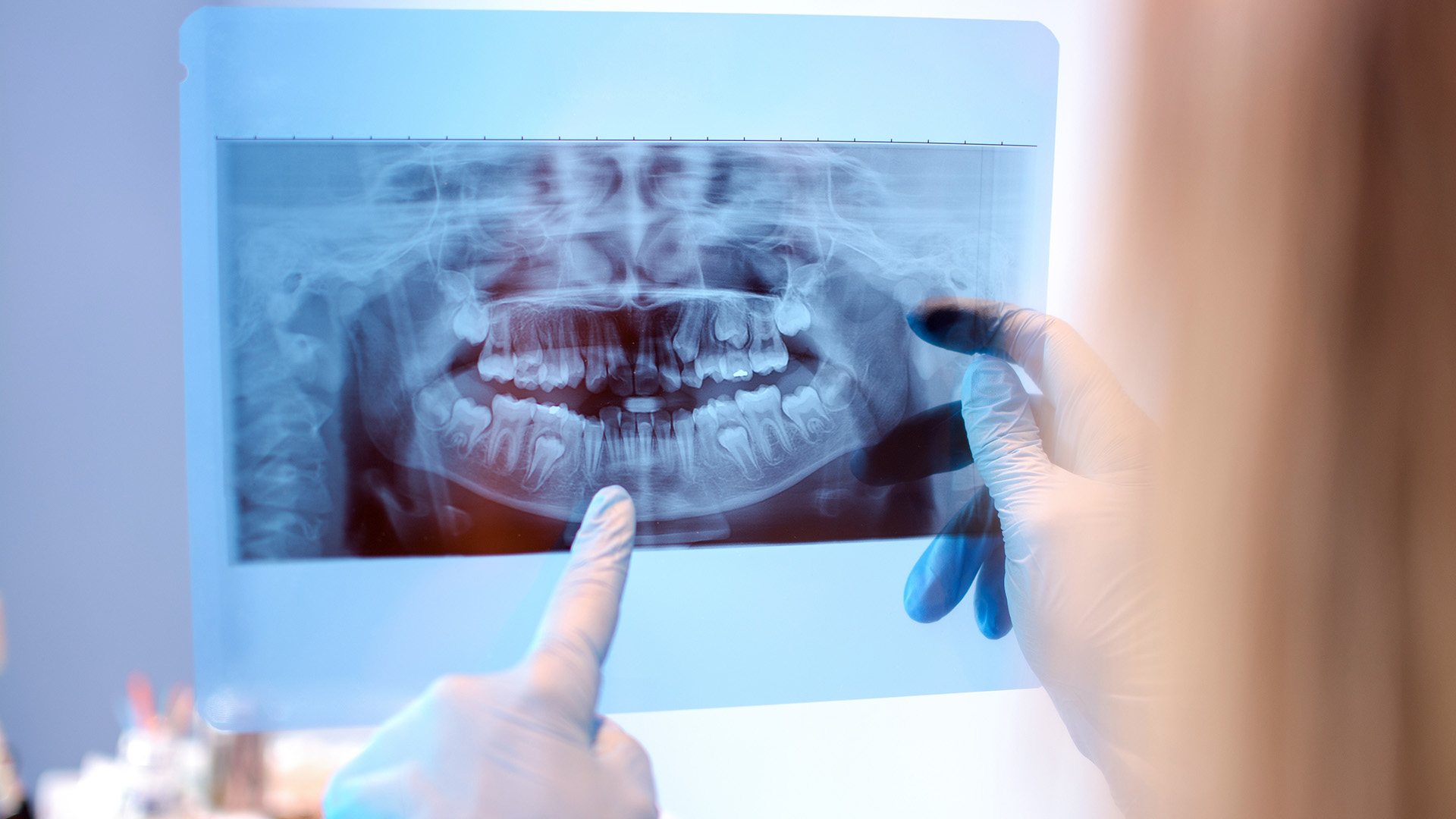
What Oral Surgery Involves
Oral surgery focuses on diagnosing and surgically treating problems involving the teeth, gums, jaws, and facial structures. These procedures are typically performed by an oral and maxillofacial surgeon and can range from simple extractions to complex jaw realignment.
Common procedures include wisdom tooth removal, surgical extractions, dental implant placement, bone grafting, treatment of temporomandibular joint (TMJ) disorders, corrective jaw surgery (orthognathic surgery), exposure of impacted teeth for orthodontic care, and biopsy or removal of oral lesions. Surgeons also treat facial trauma and manage infections that spread into the jaw or facial spaces.
Patients are often referred for issues such as impacted or symptomatic wisdom teeth, severe tooth fractures, missing teeth requiring implants, cysts or tumors in the mouth or jaw, chronic TMJ pain, bite or jaw alignment problems, and infections that do not respond to standard dental treatment.
Compared with general dentistry, oral surgery frequently involves deeper anesthesia options, advanced imaging, and surgical techniques for both bone and soft tissue. While your general dentist provides preventive care and restorative services like fillings and crowns, an oral surgeon manages conditions requiring specialized surgical training and equipment.
Key Signs You May Need Oral Surgery
Some symptoms are strong indicators that a surgical solution may be necessary. If you notice any of the following, schedule an evaluation promptly. Many of these are common signs you need oral surgery and should not be ignored:
- Persistent or severe tooth and jaw pain: Ongoing pain that wakes you at night, returns when medication wears off, or does not respond to routine care can point to impacted teeth, cracked roots, deep decay, or TMJ disorders. If a tooth is nonrestorable or infection has reached the bone, extraction or another surgical procedure may be recommended.
- Difficulty opening or chewing: Limited mouth opening (trismus), jaw locking or popping, and pain that flares with eating or speaking may signal TMJ dysfunction, muscle spasm, infection, or a structural joint problem. If conservative treatments fail, surgical assessment can clarify next steps.
- Swelling, lumps, or nonhealing sores: Rapidly developing swelling that feels warm or tender, especially with fever, can indicate an abscess requiring surgical drainage. Firm or persistent lumps, patches or ulcers that do not heal within two weeks, or changes in the color or texture of oral tissues should be evaluated and may require a biopsy.
- Wisdom tooth discomfort or crowding: Pain, pressure, or shifting teeth may suggest impacted wisdom teeth causing gum irritation, decay in neighboring teeth, or cyst formation.
- Unexplained loose teeth: Mobility without signs of periodontal disease can point to underlying jawbone issues, infection, or cystic lesions that need surgical management.
- Facial numbness or tingling: Changes in sensation can signal nerve irritation or pressure from impacted teeth, cysts, or other lesions.
- Sudden bite changes: A bite that feels different without an obvious cause may indicate jaw joint problems, trauma, or infection affecting jaw alignment.
- Recurring sinus pressure linked to upper tooth pain: This pattern can be associated with maxillary tooth infections or sinus-tooth communication that may require surgical treatment.
When to Seek Professional Help
If you experience ongoing pain, swelling, or changes in jaw function, see your dentist promptly. They will examine your mouth, take X-rays, and determine whether a referral to an oral and maxillofacial surgeon is appropriate. Early diagnosis reduces the risk of infection spread, bone loss, nerve complications, and more extensive procedures later. Understanding the early signs you need oral surgery can help you act before problems escalate.
During your consultation, consider asking:
- What is the underlying cause of my symptoms?
- Are there nonsurgical options, and what are their success rates?
- Which surgical procedure do you recommend and why?
- What are the risks, benefits, and expected outcomes?
- What type of anesthesia will be used, and who monitors it?
- How long is recovery, and what restrictions should I expect?
- What costs are involved, and will my insurance cover part of the treatment?
Choosing an oral surgeon is an important step. Look for board certification, experience with your specific procedure, clear communication, and positive patient reviews. For complex cases, verify hospital or surgery center privileges and ask about technology used, such as 3D imaging. Make sure you feel confident in the surgeon’s approach and the practice’s post-operative support.
Preparing for Your Oral Surgery Consultation
At your visit, expect a review of your medical and dental history, a clinical exam, and imaging such as panoramic X-rays or a 3D cone beam CT scan. Your surgeon will explain the diagnosis, treatment options, anesthesia choices, and a personalized plan, including recovery timelines and after-care instructions.
Bring the following to your appointment:
- A current list of medications and supplements
- Medical conditions, prior surgeries, and allergies
- Referral notes from your dentist or orthodontist
- Recent dental X-rays, if available
- Insurance information
- A list of questions and your treatment goals
Preparing ahead can make the process smoother. Understand each step of care, clarify comfort and recovery expectations, and follow any pre-appointment instructions. Arrange transportation if sedation may be used, eat as directed by the office, and wear comfortable clothing. If you feel anxious about dental procedures, tell the team so they can discuss sedation options and supportive strategies.
| Before the Visit | Day of the Visit | After the Visit |
| Gather records, medication list, and insurance details | Arrive early; bring questions and referrals | Review your treatment plan and cost estimate |
| Record symptom patterns (pain, swelling, triggers) | Confirm transportation if sedation is planned | Schedule the procedure and plan time off for recovery |
| Discuss health conditions with your dentist | Wear comfortable clothing; follow eating instructions | Ask about pre-op and post-op instructions |
If you have severe pain, fever, spreading swelling, difficulty breathing, or trouble swallowing, seek urgent care immediately. Otherwise, a timely evaluation will help determine whether oral surgery is the right solution and get you back to comfort and health with confidence. Keep this checklist of signs you need oral surgery handy so you can quickly recognize when to seek expert care.