
Recovery after wisdom teeth removal is a steady process that usually spans one to two weeks. With proper care, most people feel much better within a few days. Use this guide to understand what to expect, how to care for your mouth at home, and when to contact your dental team for help. Throughout this overview, you’ll find practical steps to support a smooth wisdom teeth removal recovery and recognize when to seek professional advice.
Understanding the Recovery Process
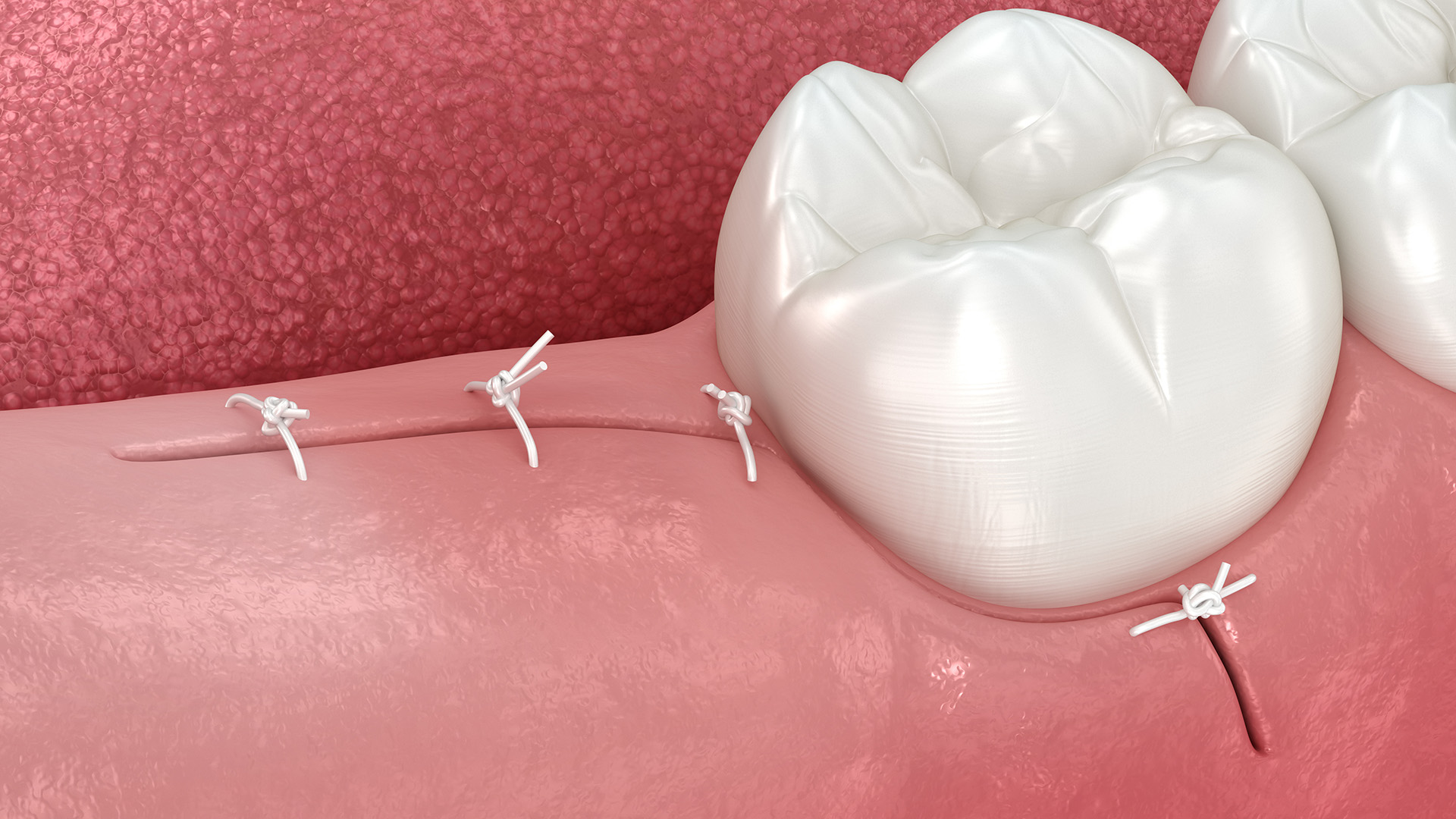
Most patients notice clear improvement by days 3 to 5, while soft tissues continue healing for several weeks. Mild swelling, soreness, and jaw stiffness are common early on and gradually resolve. In many cases, stitches dissolve on their own, depending on the material your provider used.
Typical timeline:
- Day 1: Blood clot formation begins and protects the sockets. Expect oozing and mild bleeding.
- Days 2–3: Swelling and soreness often peak, then start to lessen.
- Days 4–7: Comfort and function improve steadily; many people resume routine activities.
- Weeks 2–4: Ongoing tissue strengthening and reduction in tenderness around extraction areas.
During the first 24 hours, it’s normal to notice facial swelling and slight bleeding. Bruising along the jaw or neck may appear by day 2 or 3. Jaw stiffness usually eases as swelling goes down. A short-lived low-grade fever can occur; persistent fever should be reported. A bad taste or mild odor may occur early and typically improves once you begin gentle saltwater rinses after the first 24 hours, if approved by your provider. Understanding these expected changes can help you navigate wisdom teeth removal recovery with confidence.
Post-Operative Care Instructions
Good home care protects the blood clot, limits discomfort, and supports faster healing. Follow these essentials:
- Bite lightly on gauze for the first hour and replace as directed until bleeding slows.
- Rest with your head elevated for the first 24 to 48 hours.
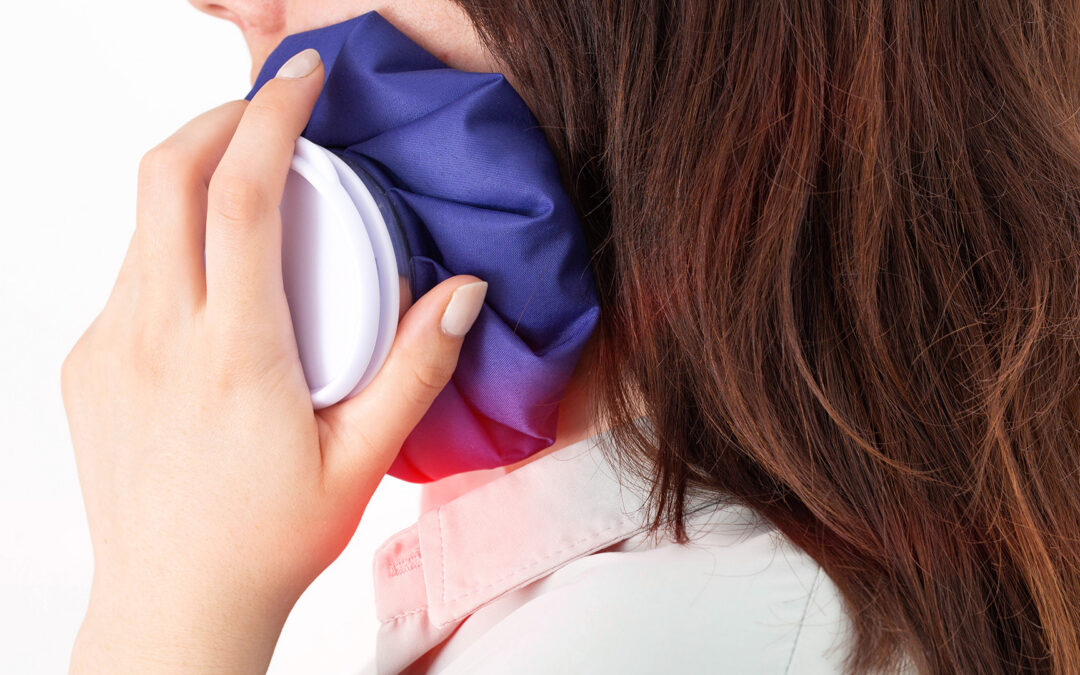
- Use a cold compress on the cheek for 15 minutes on and 15 minutes off during the first day to reduce swelling.
- Begin gentle saltwater rinses 24 hours after surgery, several times daily and after meals, unless your provider advises otherwise.
- Brush carefully, avoiding the extraction sites at first, then gradually clean closer to the area as tenderness decreases.
Know the signs of potential complications. Contact your dental office if you notice any of the following:
- Increasing pain after initial improvement
- Heavy bleeding that does not slow with pressure
- Pus, worsening bad taste, or foul odor
- Fever higher than 100.4°F
- Persistent numbness or tingling
- Swelling that worsens after day 3
These symptoms can indicate dry socket, infection, or other concerns. Always follow your dentist or oral surgeon’s instructions, as their guidance reflects your specific procedure and medical history. Attend follow-up visits, take medications as prescribed, and call if anything feels off. Careful adherence to these steps plays a major role in a successful wisdom teeth removal recovery.
Pain Management Strategies
Your provider may recommend alternating ibuprofen and acetaminophen to manage pain and reduce inflammation. If you are prescribed antibiotics or short-term prescription pain medication, take them exactly as directed. Avoid aspirin unless specifically instructed, as it can increase bleeding.
Comfort measures that complement medications include:
- Cold compresses during the first 24 hours to help limit swelling
- Brief warm compresses after day 2 if advised by your provider
- Sleeping with your head elevated to reduce pressure and swelling
- Gentle jaw stretches after the first couple of days to ease stiffness
- Saltwater rinses (1/2 teaspoon salt in 8 ounces of warm water) to soothe tissues and help keep the area cleaner
Seek additional help if pain suddenly worsens after early improvement, if over-the-counter medications are not effective, or if you develop throbbing pain with an unpleasant taste or bad breath. These may be signs of dry socket, which your dental team can treat promptly. Effective pain control is a cornerstone of comfortable wisdom teeth removal recovery, helping you return to normal routines sooner.
Dietary Guidelines After Surgery
Choose soft, cool, and nutrient-dense foods that are easy to eat and won’t disturb the extraction sites. Start with cooler options on day 1, then transition to lukewarm and soft solids as comfort allows.
| Recommended Foods | Foods to Avoid |
| Yogurt, applesauce, smoothies (no straws) | Chips, nuts, crusty bread, popcorn |
| Mashed potatoes, oatmeal, scrambled eggs | Spicy, very hot, or acidic foods |
| Cottage cheese, well-cooked pasta, blended soups | Sticky candies or foods that could dislodge the clot |
| Protein shakes and milkshakes (use a spoon) | Alcohol and carbonated drinks early in recovery |
Stay well hydrated by sipping water frequently. Prioritize clear, non-acidic fluids. If you enjoy smoothies or protein shakes, use a spoon instead of a straw. Do not use straws or smoke, as suction can dislodge the clot and cause dry socket. Thoughtful food choices during the first week can reduce irritation and support a smoother wisdom teeth removal recovery.
Frequently Asked Questions
How long does recovery take? Most patients feel notably better within 3 to 5 days. Soft tissue healing continues for 2 to 4 weeks. Swelling often peaks around days 2 to 3 and then subsides. The full course of wisdom teeth removal recovery varies based on the number of teeth removed and the complexity of the procedure.
When can I return to normal activities? Many people return to school or desk work within 2 to 3 days if pain is controlled and physical exertion is limited. Avoid strenuous exercise, heavy lifting, and contact sports for at least a week or as directed. Do not drive until you are off prescription pain medication and feel fully alert.
What if recovery is not progressing as expected? Call your dental office if you have increasing pain after early improvement, persistent bleeding, fever, foul taste, difficulty opening your mouth, or swelling that worsens after day 3. Your provider can check for dry socket, infection, or other issues and adjust your care plan.
Can I brush and rinse right away? Avoid vigorous rinsing on day 1. Begin gentle saltwater rinses after 24 hours if approved, and brush carefully while avoiding the extraction sites initially. Gradually return to normal brushing and flossing as tenderness improves.What helps prevent dry socket? Do not smoke or vape, avoid straws, keep activity light, maintain good oral hygiene without disturbing the sites, and follow all medication and rinsing instructions. If you suspect dry socket, contact your provider promptly for treatment. These preventive steps are central to uncomplicated wisdom teeth removal recovery.