

Jaw bone grafting builds a stronger, more stable foundation for dental implants when natural bone is too thin or too soft to support them. If a graft has been recommended before implant placement, understanding what to know about jaw bone grafting for dental implants, why it is needed, how the procedure works, and what recovery involves can help you feel confident about your treatment plan and long-term results. Many patients hear terms like dental bone graft or bone graft for teeth and want clear, practical guidance on what to expect. This overview provides that context.
Overview: Why Jaw Bone Grafting Matters
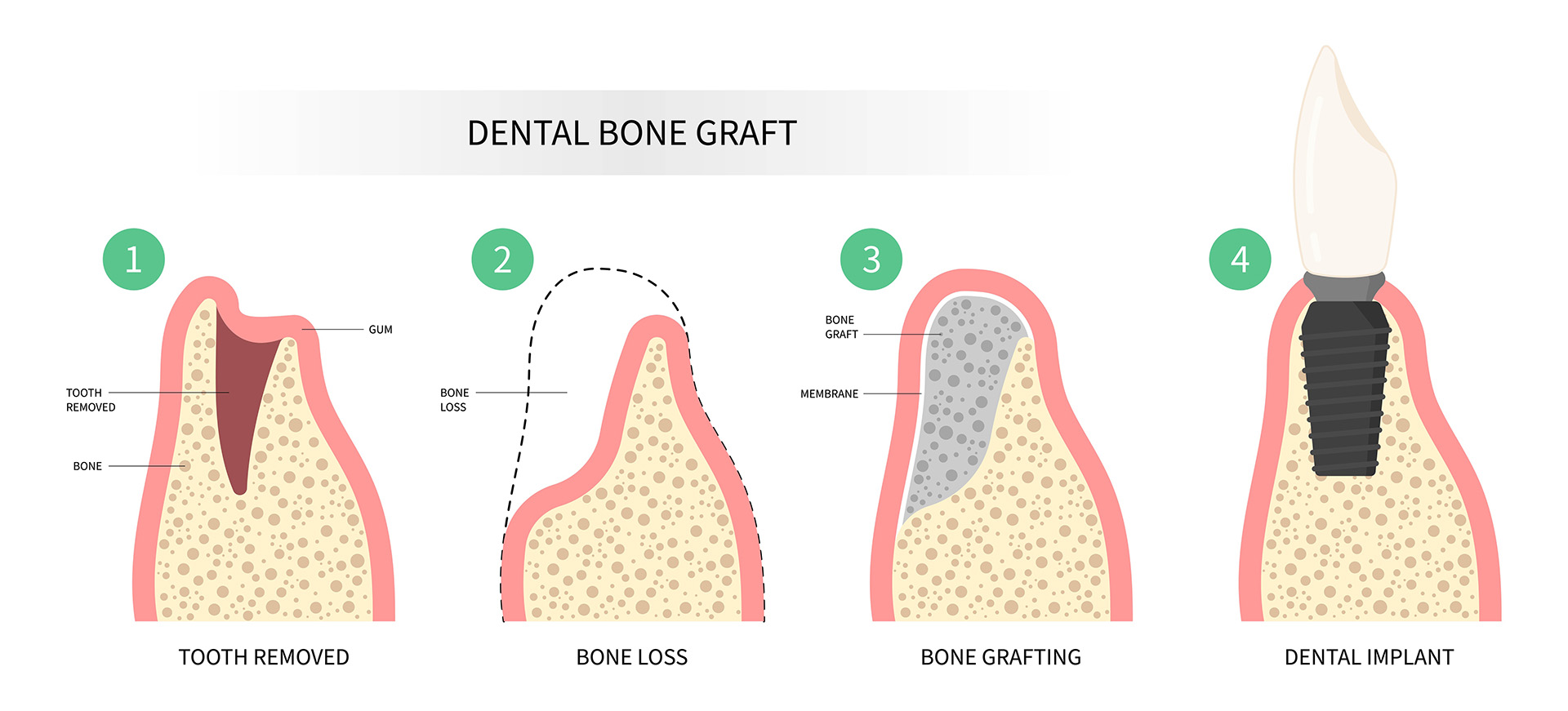
Bone grafting is a surgical procedure that adds or rebuilds the jawbone where it has thinned or resorbed. A healthy, adequately thick jawbone is essential for implants to integrate properly and remain stable over time. A dental bone graft replaces missing bone and stimulates your body to regenerate new bone tissue.
Grafting is often needed after tooth loss because the jawbone naturally shrinks without the stimulation of a tooth root. Other causes include periodontal disease, infections, long-standing extractions without replacement, traumatic injury, developmental conditions, and sinus pneumatization in the upper jaw. Smoking and certain medical conditions can also contribute to bone loss.
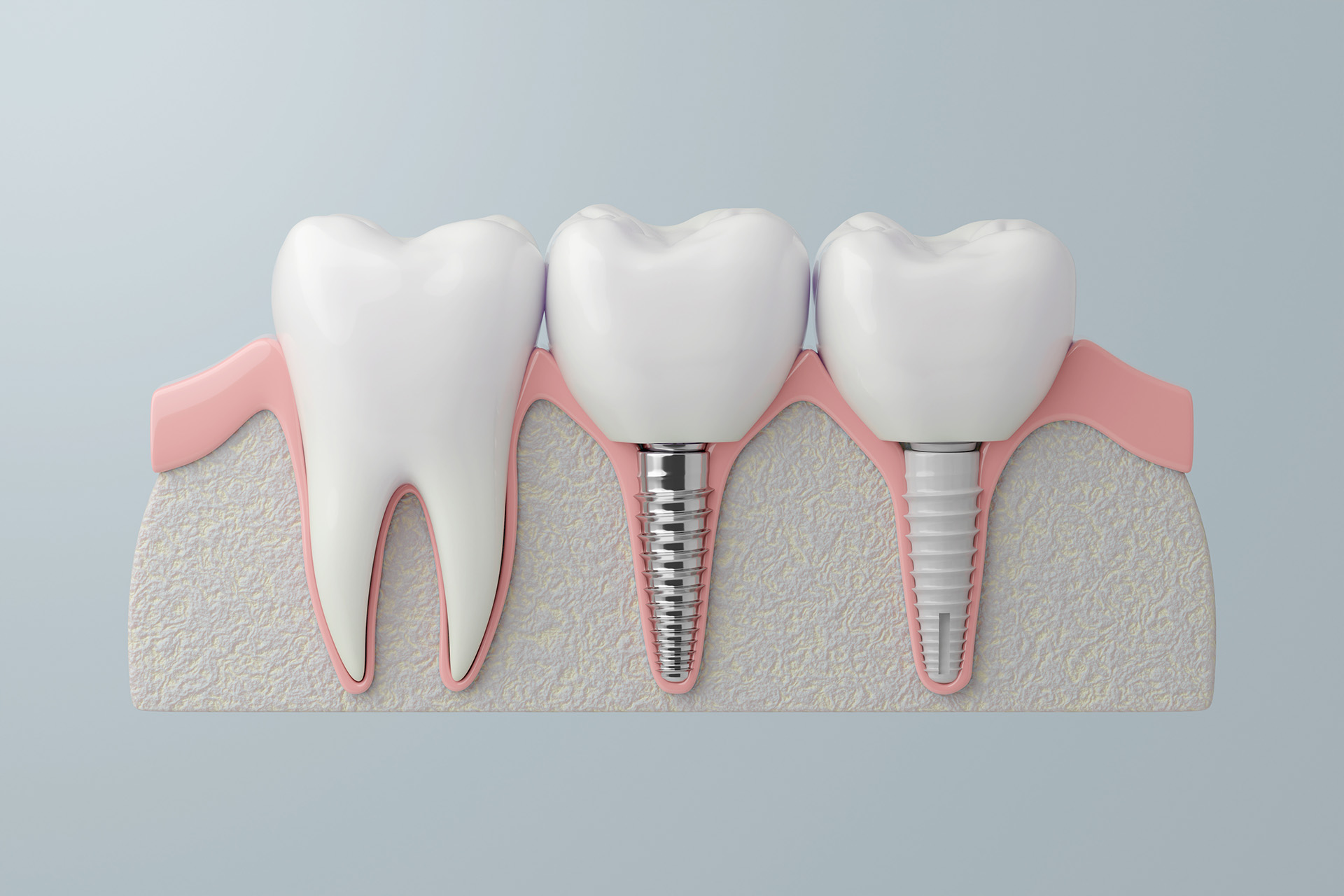
Rebuilding the jaw improves implant stability, appearance, and function. It can restore facial contours, support the gums to prevent gaps around the final crown, and create a balanced bite. With solid bone, the risk of implant complications is reduced and long-term chewing efficiency, speech, and smile aesthetics are better preserved. For patients asking what to know about jaw bone grafting for dental implants, one key point is that a bone graft for teeth often determines whether an implant can be placed predictably.
Types of Jaw Bone Grafts and Materials
Several graft materials are available, each with benefits depending on your needs:
- Autografts use your own bone, often from the chin, jaw, or a nearby area. They offer excellent compatibility and healing potential but involve a second surgical site.
- Allografts come from donated human bone that is rigorously processed and sterilized. They avoid a second surgical area and are widely used for socket preservation and ridge augmentation.
- Xenografts, typically derived from bovine sources, act as a long-lasting scaffold that maintains volume while your bone grows in.
- Synthetic grafts, such as calcium phosphate or bioactive glass, are lab-made materials designed to be safe, consistent, and supportive of bone growth.
Common techniques include sinus lifts, ridge augmentation, socket preservation, and block grafts:
- Sinus lift is used in the upper back jaw when the sinus floor has expanded downward and vertical bone height is limited.
- Ridge augmentation widens or increases the height of a thin jaw ridge to support implant placement.
- Socket preservation places graft material into an extraction site immediately to maintain volume for a future implant.
- Block grafts use a small, solid piece of bone to rebuild areas with significant defects.
Material choice and technique influence healing and timelines. Socket preservation may be ready for an implant in three to four months. Larger ridge augmentations or sinus lifts often require four to nine months before implant placement. Autografts tend to integrate quickly, while xenografts can maintain space longer but remodel more slowly. Your dentist will balance volume needs, healing expectations, and overall treatment goals to select the best approach for a dental bone graft. If you are considering a bone graft for teeth, ask about how the material affects the timing of implant placement.
Procedure, Preparation, and What to Expect
Your dentist will determine whether you need a graft using a clinical exam and a cone beam CT (CBCT) scan. The CBCT provides a three-dimensional view of bone volume, nerve locations, sinus anatomy, and any defects. Your medical history and medications are reviewed to reduce risks and support healing.
Before surgery, you will receive pre-op instructions that may include fasting if deeper sedation is planned, adjusting certain medications under your physician’s guidance, and arranging a ride home. Anesthesia options range from local anesthesia with or without oral sedation to IV sedation, depending on the procedure and your comfort preferences.
During the procedure, the area is numbed and a small incision is made to access the jawbone. The dentist places graft material where needed, sometimes adding a collagen membrane to protect the graft and guide bone regeneration. The site is then sutured. In some cases, a small implant can be placed at the same time as the graft. Many patients will heal first and return for implant placement after three to nine months, depending on the graft type and location. This sequence is common for a bone graft for teeth and is a central part of what to know about jaw bone grafting for dental implants.
Immediately after surgery, expect minor bleeding, swelling, and mild to moderate tenderness. You will receive instructions for cold compresses, prescriptions for pain control and antibiotics if indicated, and guidance on keeping the area clean without disturbing the graft. Most people resume normal daily activities within a day or two while avoiding strenuous exercise for several days.
Risks, Recovery, and Long-Term Outlook
Complications are uncommon when treatment is well planned and carefully performed. Potential issues include infection, graft exposure or failure, and delayed healing. With sinus lift procedures in the upper jaw, sinus membrane tears, congestion, or temporary sinus symptoms may occur and are typically managed with careful repair, medication, and follow-up. Prompt communication with your dentist helps resolve concerns early.
Most patients experience a predictable recovery. Swelling usually peaks at 48 to 72 hours and then subsides. Pain is generally manageable with over-the-counter medication or a short course of prescription analgesics. A soft diet and avoiding chewing on the grafted area protect the site as it stabilizes. You will be asked to avoid smoking and to use special rinses or gentle brushing techniques to keep the area clean without disturbing sutures or membranes. Follow-up visits are scheduled to monitor healing, remove sutures if needed, and plan the timing for implant placement.
Bone graft and implant success rates are high when patients are carefully selected and follow instructions. Factors that influence long-term outcomes include overall health, diabetes control, tobacco use, oral hygiene, bite forces, and attending regular dental checkups. To support healing, follow your medication plan, maintain excellent home care, eat a nutrient-dense diet with adequate protein, stay hydrated, and avoid pressure on the grafted site. With thoughtful planning and care, a dental bone graft can set the stage for implants that look, feel, and function like natural teeth for many years. If you are gathering what to know about jaw bone grafting for dental implants, remember that early evaluation and a customized plan improve the predictability of a bone graft for teeth and the final implant outcome.