

Dental implants are often called the gold standard for replacing missing teeth, and with good reason. With proper care, implants can last decades, and many remain healthy for a lifetime. If you’re asking, how long do dental implants last, their longevity depends on several factors, including oral hygiene, overall health, bite forces, and the quality of the surgical and restorative work. Below, we outline how implants function, what influences their lifespan, and the steps you can take to keep yours strong and stable for years to come.
What Is a Dental Implant?
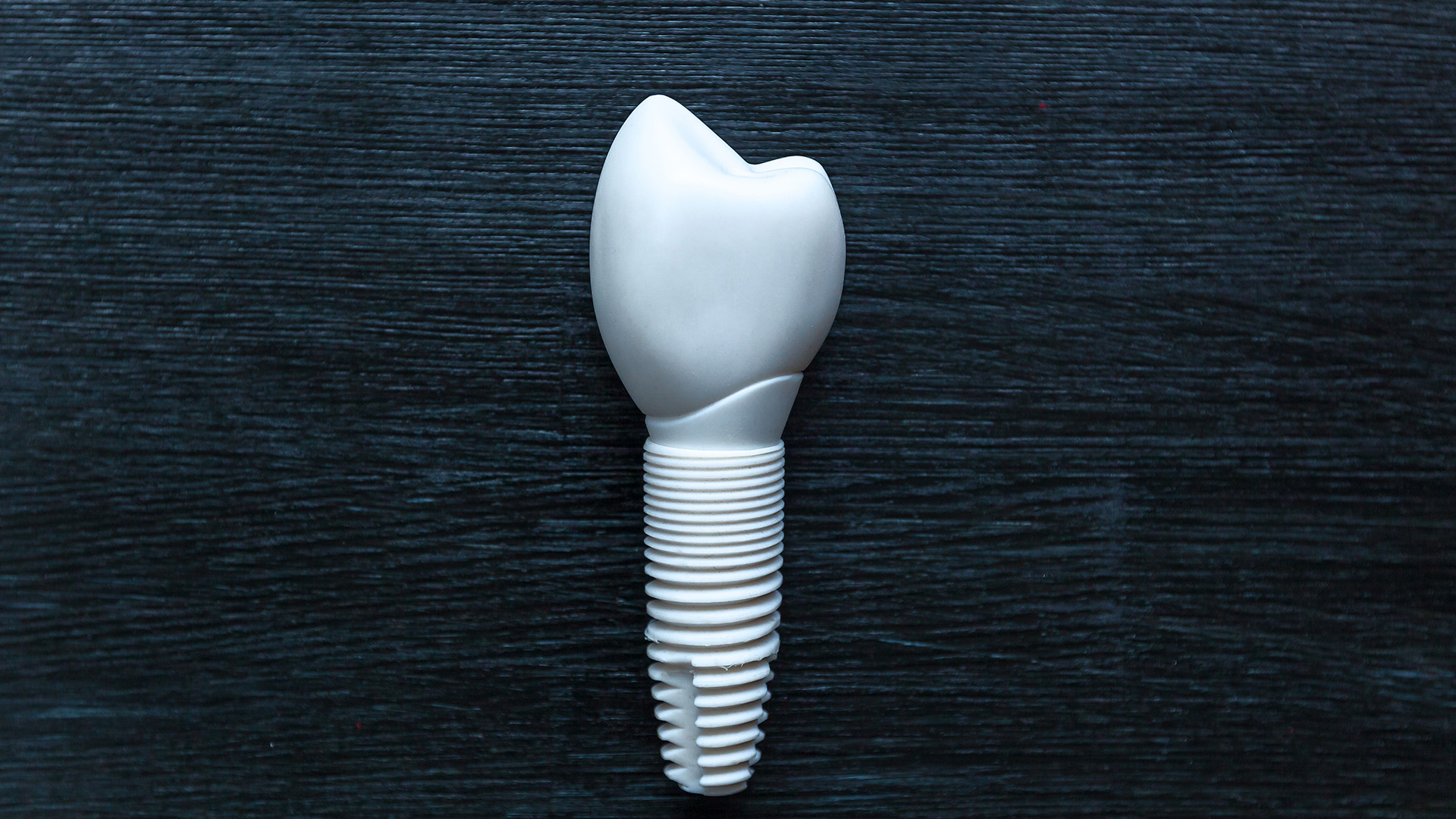
A dental implant is a small, biocompatible post, most commonly made of titanium or, in some cases, zirconia, placed into the jawbone to act as an artificial tooth root. Each implant restoration typically includes three parts: the implant fixture (the post anchored in bone), the abutment (the connector that attaches to the fixture), and the crown (the custom tooth visible above the gumline). Together, they create a natural-looking and highly functional replacement for a missing tooth.
Implants can be tailored to different needs. A single-tooth implant replaces one missing tooth, while implant-supported bridges can restore multiple teeth using fewer posts. For patients missing most or all teeth in an arch, full-arch solutions like All-on-4 or All-on-6 use strategically placed implants to support a complete set of teeth. Most patients receive endosteal implants (placed within the jawbone). In select cases with limited bone, subperiosteal implants (positioned above the bone but under the gum) may be considered.
Getting an implant begins with a comprehensive evaluation using X-rays or 3D imaging to assess bone quality, gum health, and overall suitability. If necessary, preparatory procedures, such as bone grafting or sinus augmentation, create a stable foundation. During placement, the fixture is inserted into the jawbone. Over the following months, osseointegration occurs as the bone heals and bonds to the implant. Once integration is complete, the abutment is attached and a custom crown is secured, restoring chewing function and aesthetics.
How Long Do Dental Implants Last?
On average, the implant fixture can last 20 years or more, and many implants remain healthy indefinitely. The crown typically has a lifespan of 10 to 15 years due to normal wear and tear and may need replacement over time, similar to other dental restorations. With consistent oral care and routine check-ups, both the implant and its components can serve you well for the long term. Patients frequently ask, “how long do dental implants last?” While individual results vary, strong home care and professional follow-up are the most important predictors of long-term success.
The durability of an implant depends on several influences:
- Oral hygiene: Daily plaque control helps prevent inflammation and infection around the implant.
- Professional maintenance: Regular exams and cleanings allow for early detection and management of issues.
- Bone quality and quantity: Adequate bone supports osseointegration and long-term stability.
- Systemic health: Conditions like uncontrolled diabetes or compromised immune function can affect healing and outcomes.
- Habits: Smoking or vaping increases complication risks; chronic grinding (bruxism) and heavy bite forces can stress the implant and crown.
- Bite and alignment: Proper occlusion reduces undue forces on the restoration.
- Provider experience: A skilled surgical and restorative team improves success rates.
Compared with other tooth replacement options, implants generally offer superior longevity. Traditional bridges often last 7 to 10 years and require reshaping adjacent teeth. Removable dentures may need frequent adjustments or replacements and can contribute to gradual bone loss. Because implants integrate with the jawbone, they help preserve bone and provide stable chewing function, often making them a more cost-effective solution over time.
How to Care for Dental Implants
Consistent home care and professional follow-up are essential to protect your implant and surrounding tissues. A daily routine that keeps plaque at bay reduces the risk of peri-implant disease and supports long-term success.
- Brush twice daily with a soft-bristled brush and a low-abrasive toothpaste to protect the crown and gum tissues.
- Floss once a day using floss threaders or implant-specific floss to clean around the implant and abutment.
- Use interdental brushes or a water flosser to remove plaque in hard-to-reach areas.
- Rinse as recommended by your dentist if you’re prone to inflammation or dry mouth.
Schedule routine exams and professional cleanings, typically every six months unless your dentist advises a different interval. These visits include assessments of gum health, bite alignment, and the condition of the crown and abutment. Periodic X-rays help monitor bone levels and confirm the implant remains stable.
Healthy lifestyle choices further support implant longevity. Avoid tobacco products, as nicotine restricts blood flow and raises the risk of complications. If you grind your teeth, wear a custom night guard to protect your implant and crown. Be cautious with very hard foods that can crack or chip restorations. A balanced diet and good control of systemic conditions like diabetes promote healthy healing and long-term stability.
Signs Your Implant Needs Attention
While implant failure is uncommon, early detection of problems is key. Contact your dentist if you notice any of the following:
- Persistent pain, tenderness, or discomfort around the implant
- Loosening of the crown or abutment
- Swelling, bleeding, or gum recession near the implant
- Difficulty chewing or changes in your bite
- Unusual taste, discharge, or persistent bad breath
Prompt evaluation can often resolve concerns before they progress. Your dentist may perform a clinical exam, take X-rays, adjust your bite, perform a deep cleaning, or prescribe medication for infection. If peri-implantitis (inflammation around the implant) is present, targeted therapy may be recommended. In rare, advanced cases, implant replacement may be necessary.
Prevention starts with daily plaque control and routine professional care. Stick to your cleaning schedule, use the correct brushing and flossing techniques, wear protective appliances if advised, and avoid tobacco. Report any changes in comfort, bite, or gum health right away to minimize the chance of complications.
Benefits of Choosing Dental Implants
Dental implants can transform daily life by restoring confidence and function. They provide stable chewing ability, allowing you to enjoy a wide range of foods. Implants also help maintain normal speech and avoid the slipping or irritation often associated with removable dentures.
From a long-term value perspective, implants are often cost-effective. Although the initial investment may be higher than other options, their durability and reduced need for frequent replacement or specialized maintenance can result in lower lifetime costs. By integrating with the jawbone, implants help prevent bone resorption after tooth loss, supporting facial structure and reducing future restorative needs. For anyone comparing options and asking how long do dental implants last relative to bridges or dentures, the integration with bone typically leads to longer stability and better function.
Aesthetically, implants mimic natural teeth. Custom crowns are matched to your smile, providing a seamless appearance. Because the implant functions like a root within the bone, it delivers a lifelike feel and stability. With good care, implants offer a lasting solution that looks, feels, and functions like your own teeth.
Dental Implants vs. Other Options: Longevity at a Glance
| Restoration | Typical Lifespan | Key Considerations |
| Dental implant (fixture) | 20+ years; often lifelong | Requires healthy bone and good hygiene; preserves bone; high stability |
| Implant crown | 10–15 years | Subject to normal wear; may be replaced over time |
| Traditional bridge | 7–10 years | Involves reshaping adjacent teeth; maintenance and replacement more frequent |
| Removable denture | 5–8 years | Periodic adjustments/replacements; may accelerate bone loss |
Frequently Asked Questions
What affects how long a dental implant lasts? Daily oral hygiene, regular professional care, bone quality, systemic health, bite forces, and lifestyle habits all play a role. Choosing an experienced surgical and restorative team further increases success. If you’re asking how long do dental implants last, know that consistent maintenance and healthy habits make the biggest difference.
Will I ever need to replace the implant? The fixture often lasts indefinitely if the bone and gums remain healthy. The crown may require replacement after 10 to 15 years due to normal wear, similar to other restorations.
Can smokers get dental implants? Yes, but smoking or vaping increases the risk of complications and can reduce long-term success. Quitting or reducing tobacco use improves outcomes and helps implants last longer.
Do implants require special cleaning? Implants are cleaned much like natural teeth, with attention to the gumline. Use floss, interdental brushes, or a water flosser to reach areas around the abutment and under the crown, and keep up with professional cleanings.
Are implants worth the cost? Many patients find implants a strong long-term value due to their durability, bone preservation, and reduced need for frequent replacement compared with bridges or dentures.
How to Protect Your Investment
To help your implants last, follow your dentist’s maintenance plan and keep appointments for exams and cleanings. If you grind your teeth, wear a night guard. Control systemic health conditions through regular medical care, maintain a balanced diet, and avoid tobacco. At home, brush and floss daily and use recommended tools to reach around the implant. If something feels off, such as tenderness, mobility, or a change in your bite, schedule a visit promptly. For anyone still asking how long do dental implants last, these everyday steps are the foundation for keeping implants healthy for the long term.
With consistent care and healthy habits, dental implants can provide a lifetime of reliable function and a confident smile.