
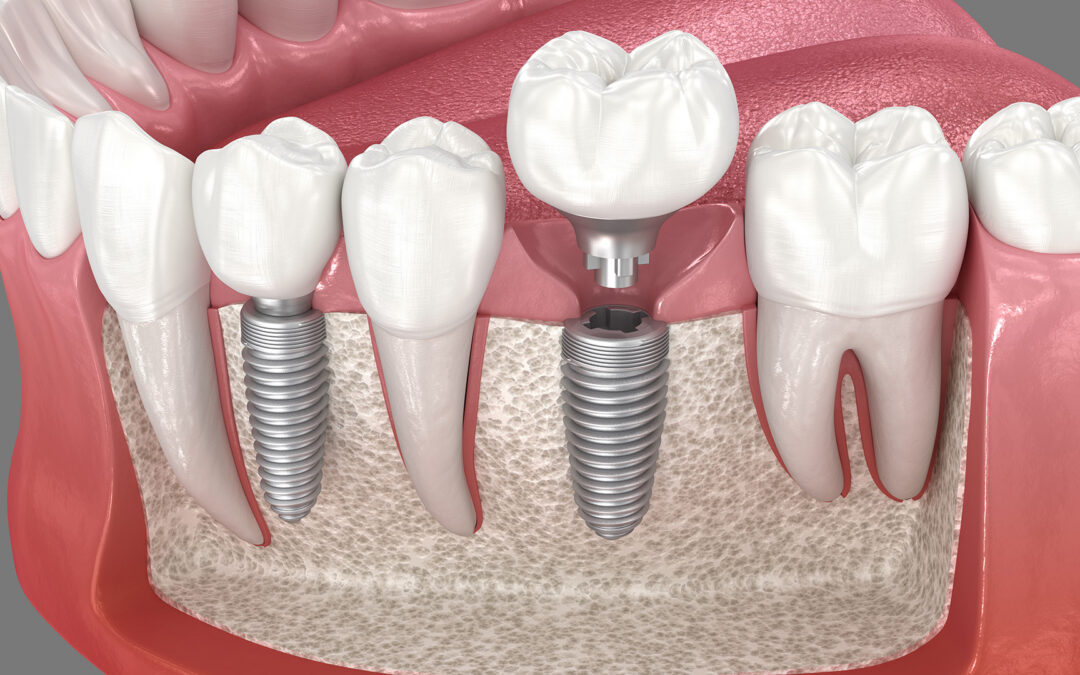
Dental implants are a highly reliable solution for replacing missing teeth, with strong clinical evidence supporting their long-term success. If you are considering implants, it helps to know how success is measured, which factors influence outcomes, and how to choose a provider who will guide you through a safe, predictable process. Below, you’ll find a clear overview of what dental implants are, typical success rates for dental implants, the benefits and risks, and practical steps to optimize your results. Throughout this guide, we explain how success rates for dental implants are determined and what they mean for your long-term oral health.
What Are Dental Implants?
Dental implants are small titanium or zirconia posts placed in the jaw to act as artificial tooth roots. After they integrate with the bone, they support crowns, bridges, or dentures to restore chewing function, appearance, and stability. Implants are designed to feel and function like natural teeth and are considered a long-term solution.
There are several types:
- Endosteal implants: Placed directly into the jawbone and used most frequently.
- Subperiosteal implants: Positioned under the gum but above the bone for patients who may not be candidates for endosteal implants.
- Mini implants: Narrow-diameter implants used to stabilize dentures or in areas with limited space.
Titanium is the standard material due to its biocompatibility and strength, while zirconia is a metal-free alternative for select cases.
The implant process typically includes:
- Evaluation and planning with imaging and digital scans
- Surgical placement of the implant
- Osseointegration: a healing phase in which the implant fuses with bone
- Placement of an abutment (connector)
- Attachment of the final restoration (crown, bridge, or denture)
When bone support is inadequate, procedures such as bone grafting or sinus lifts can be performed to prepare the site. With thorough planning and follow-up care, the process is predictable and comfortable for most patients.
Success Rates of Dental Implants
Dental implants consistently achieve high success, with large studies and reviews reporting success rates of about 94% to 98% at five years for single implants. Many studies show success exceeding 90% at ten years. Outcomes can vary slightly by site and load: implants in the front (anterior) region may show higher success due to favorable bone conditions, while implants in the back (posterior) must withstand stronger chewing forces and require careful planning. In general, published success rates for dental implants reflect both implant survival and functional performance over time.
Key factors that influence success include:
- General health and medical history
- Smoking status and tobacco use
- Control of systemic conditions (e.g., diabetes)
- Bone volume and density
- Gum health and periodontal history
- Bite forces and occlusion
- Implant design and surface characteristics
- Surgical technique and prosthetic planning
Healthy non-smokers typically experience the highest success rates. Well-managed diabetes can yield outcomes similar to those without diabetes, while poorly controlled diabetes increases risk. Tobacco use is linked to higher complication and failure rates, especially in the upper jaw. Older adults often have excellent results when bone quality is sufficient and maintenance care is consistent. A history of gum disease calls for diligent monitoring and cleanings to maintain implant health. When reviewing success rates for dental implants, remember that individual risk profiles and adherence to maintenance play a substantial role in long-term outcomes.
Benefits of Dental Implants
Dental implants deliver both functional and aesthetic benefits that support long-term oral health and quality of life:
- Bone preservation: Implants replace the tooth root and help stabilize the jawbone, reducing bone loss after tooth removal.
- Support for facial structure: By maintaining bone, implants help preserve facial contours and protect neighboring teeth from drifting.
- Natural appearance: Custom implant crowns are matched to your tooth color, shape, and contour and emerge naturally through the gums for a lifelike look.
- Long-term value: While the upfront cost may be higher than a bridge or partial denture, implants can last for decades with proper care, reducing the need for replacements and maintenance.
- Tooth preservation: Implants do not require reshaping adjacent healthy teeth, as is often needed for a traditional bridge.
Factors Affecting the Success of Dental Implants
Your overall health, daily habits, and oral environment play a central role in outcomes:
- Medical status: Non-smokers and patients with well-controlled conditions such as diabetes or osteoporosis tend to heal better and experience more predictable results. Some medications (e.g., certain bisphosphonates or immunosuppressants) can affect bone metabolism and healing; share a complete medical history during your consultation.
- Bone and gum health: Adequate bone volume and density are essential for implant stability. When bone is insufficient, guided bone regeneration, ridge augmentation, or sinus lifts can create a suitable foundation. Healthy gums help prevent inflammation and infection (peri-implant disease).
- Oral hygiene and maintenance: Consistent home care and professional follow-up are critical. Brush twice daily with a soft-bristled brush, use interdental cleaners or a water flosser around the implant, and attend regular cleanings and exams. Your dentist may recommend a personalized maintenance schedule and periodic imaging to monitor bone levels.
These factors can significantly influence success rates for dental implants. Optimizing health, controlling inflammation, and ensuring precise surgical and restorative planning are central to achieving durable, high-performing results.
Risks and Complications Associated with Dental Implants
Dental implants are highly predictable, but complications can occur. Early postoperative effects often include temporary pain, swelling, bruising, and minor bleeding. Less common early complications may involve infection at the surgical site, delayed healing, or implant movement if excessive forces occur before osseointegration.
Later complications can include:
- Peri-implant mucositis (gum inflammation around the implant)
- Peri-implantitis (inflammation with bone loss)
- Mechanical issues such as loose abutment screws or fractured crowns
- Rarely, implant fracture
Signs of potential implant failure include persistent pain beyond the expected healing period, mobility of the implant or restoration, gum recession revealing implant threads, bleeding or pus around the implant, unusual taste or odor, and progressive bone loss seen on radiographs. Contact your dentist promptly if you notice any of these symptoms, early intervention can often stabilize or reverse problems.
Risk reduction begins with comprehensive planning. 3D imaging helps identify anatomical structures and optimize implant placement. Managing medical conditions, quitting smoking, and treating gum disease before surgery improve outcomes. After surgery, follow instructions closely: avoid tobacco, adhere to dietary recommendations, take prescribed medications, keep the area clean, and attend follow-up visits. Long term, maintain excellent oral hygiene and routine professional care to protect your investment.
Choosing the Right Dental Implant Provider
The experience and protocols of your implant provider are closely tied to success. Seek a dentist or specialist with advanced training in implant surgery and restorative dentistry, ongoing continuing education, and access to technologies such as cone-beam CT and digital planning tools. A provider who coordinates diagnosis, surgical placement, and final restoration can streamline care and support predictable outcomes.
Ask targeted questions during your consultation:
- How many implant cases do you complete annually?
- Do you use 3D imaging and guided surgery?
- How do you evaluate bone and soft tissue, and will I need grafting or a sinus lift?
- Which implant systems do you use, and why?
- What is the expected timeline for healing and restoration?
- How are complications managed if they arise?
- What maintenance plan will you recommend for my specific risk profile?
Patient reviews and testimonials can provide insight into comfort, communication, and long-term follow-up. Look for consistent feedback on clarity of expectations and satisfaction with outcomes. A transparent provider will discuss realistic success rates for dental implants tailored to your health, anatomy, and goals, and share case examples when appropriate.
Dental Implant Success Rates: Quick Reference
| Time Frame | Typical Success Rate | Key Influences |
| 5 years (single implants) | Approximately 94%–98% | General health, smoking, bone quality, surgical technique |
| 10 years | Frequently exceeds 90% | Long-term hygiene, maintenance, prosthetic design |
| Anterior vs. posterior | Anterior often slightly higher | Bone conditions and bite forces |
Use this table to understand how success rates for dental implants are commonly reported in clinical studies. Individual results may vary based on personal risk factors and adherence to maintenance protocols.
How to Prepare for the Best Outcome
Preparation and follow-through can significantly improve success and satisfaction. Consider the following steps:
- Medical review: Share a complete medical history, including medications and allergies.
- Lifestyle adjustments: Quit smoking and limit alcohol during healing to support tissue recovery.
- Oral health optimization: Treat gum disease and cavities before implant placement.
- Bite evaluation: Address clenching or grinding with night guards or occlusal adjustments as needed.
- Nutritional support: Follow a balanced diet to aid healing and bone health.
- Home care routine: Brush and clean interdentally daily, and use antimicrobial rinses if recommended.
- Scheduled follow-up: Keep all review appointments to monitor healing and maintain the restoration.
These steps help align your personal care with the clinical factors that drive high success rates for dental implants, setting the stage for stable, long-lasting restorations.
Is a Dental Implant Right for You?
Most healthy adults with sufficient bone and good oral hygiene can be candidates for dental implants. If bone is limited, grafting or sinus augmentation can expand your options. Patients with controlled medical conditions often do well, while smokers or those with uncontrolled systemic disease have higher risks and may require additional planning.
If you’re exploring dental implants, a thorough consultation can help you understand your specific risk factors, expected timelines, and long-term maintenance to achieve a predictable, lasting result. Discuss success rates for dental implants with your provider so you can make an informed decision based on your health, anatomy, and goals, and ensure your plan includes appropriate follow-up and preventive care.