Imagine replacing a full arch of missing or failing teeth with a smile that looks natural, feels secure, and functions like your own, often in a single, well-planned visit. All on 4 dental implants create a stable, long-term foundation for a custom full-arch restoration, helping you eat, speak, and smile with confidence. With advanced digital planning, premium materials, and a patient-first approach, this approach delivers predictable results designed to look great and stand the test of time.
As you research options, many people also compare all on four dental implants cost with other full-arch solutions to understand value over time. While pricing varies, the streamlined nature of all on 4 dental implants often influences overall treatment planning and long-term maintenance.
What Are All-On-4 Dental Implants?
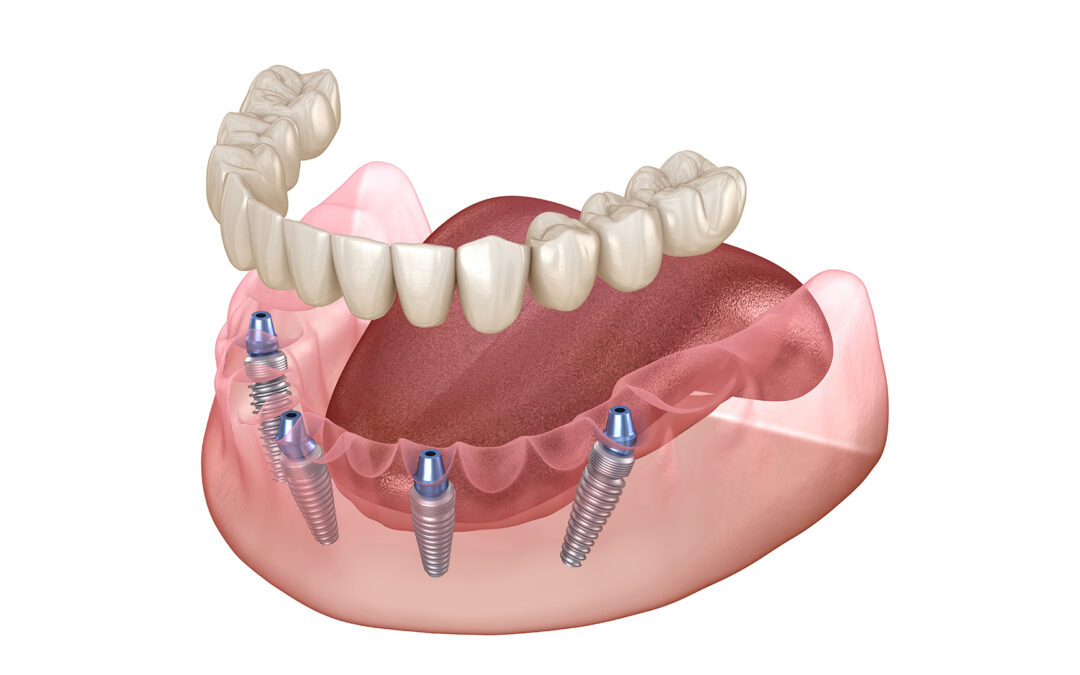
All on 4 dental implants are a modern full-arch solution that uses four strategically placed titanium implants to support a complete set of prosthetic teeth. Typically, two implants are placed vertically in the front of the jaw, and two are angled in the back to maximize existing bone support. This thoughtful placement often eliminates the need for bone grafting while delivering exceptional stability for a fixed, non-removable bridge.
Compared to traditional approaches, often requiring six to eight implants per arch and multiple staged surgeries, this method streamlines treatment with fewer implants and a carefully planned placement strategy. The result is a faster path to a functional smile, reduced chair time, and a shorter overall recovery. For many patients, this means fewer procedures and a more predictable experience from consultation to completion. Individuals often factor in all on four dental implants cost when weighing these practical advantages against more staged or extensive options.
The system pairs biocompatible titanium implants with a lifelike full-arch restoration. Final prosthetic teeth may be crafted from durable materials such as zirconia or high-strength acrylic over a titanium framework. These materials are selected for strength, wear resistance, and natural translucency, creating a smile that looks authentic and is built for everyday use. All on four dental implants are designed to support these materials in a way that balances function and aesthetics.
Why Choose All-On-4?
All on 4 dental implants are designed for stability, comfort, and day-to-day function. The fixed bridge is securely anchored to the implants, so it doesn’t shift or rub. This stability supports a stronger bite and clearer speech, allowing you to enjoy a broader range of foods with confidence. Many patients report significantly improved comfort compared to removable dentures because the restoration feels like a natural part of their smile.
Aesthetics are central to the experience. The final bridge is customized to complement your facial features, with tooth shapes and shades selected to mimic natural enamel and healthy gum contours. A clinical team can personalize tooth size, shape, and smile line to create an authentic result that revitalizes your overall facial profile.
All on 4 dental implants can also be a cost-effective route to full-arch restoration. Fewer implants and fewer surgical steps often mean lower overall treatment costs and less time in the chair. Over the long term, implant-supported restorations help preserve jawbone volume, protecting facial structure and supporting oral health. With proper care, this solution offers lasting value and fewer replacements than many removable alternatives. Key advantages include:
Fewer surgeries and appointments in most cases
Reduced need for bone grafting
Durable, high-quality materials designed for long-term wear
A predictable, personalized treatment plan
When evaluating treatment, many people consider all on four dental implants cost alongside benefits like function, comfort, and longevity, comparing the investment to traditional dentures or multi-implant bridges.
The All-On-4 Treatment Process
Your journey begins with a comprehensive consultation. A clinician reviews your dental and medical history, performs a 3D CBCT scan, and completes a detailed examination. Using digital planning tools, they map implant positions with precision, evaluate bone and gum health, and design a customized smile aligned with your goals. You’ll receive a clear timeline, transparent costs, and answers to your questions before treatment begins.
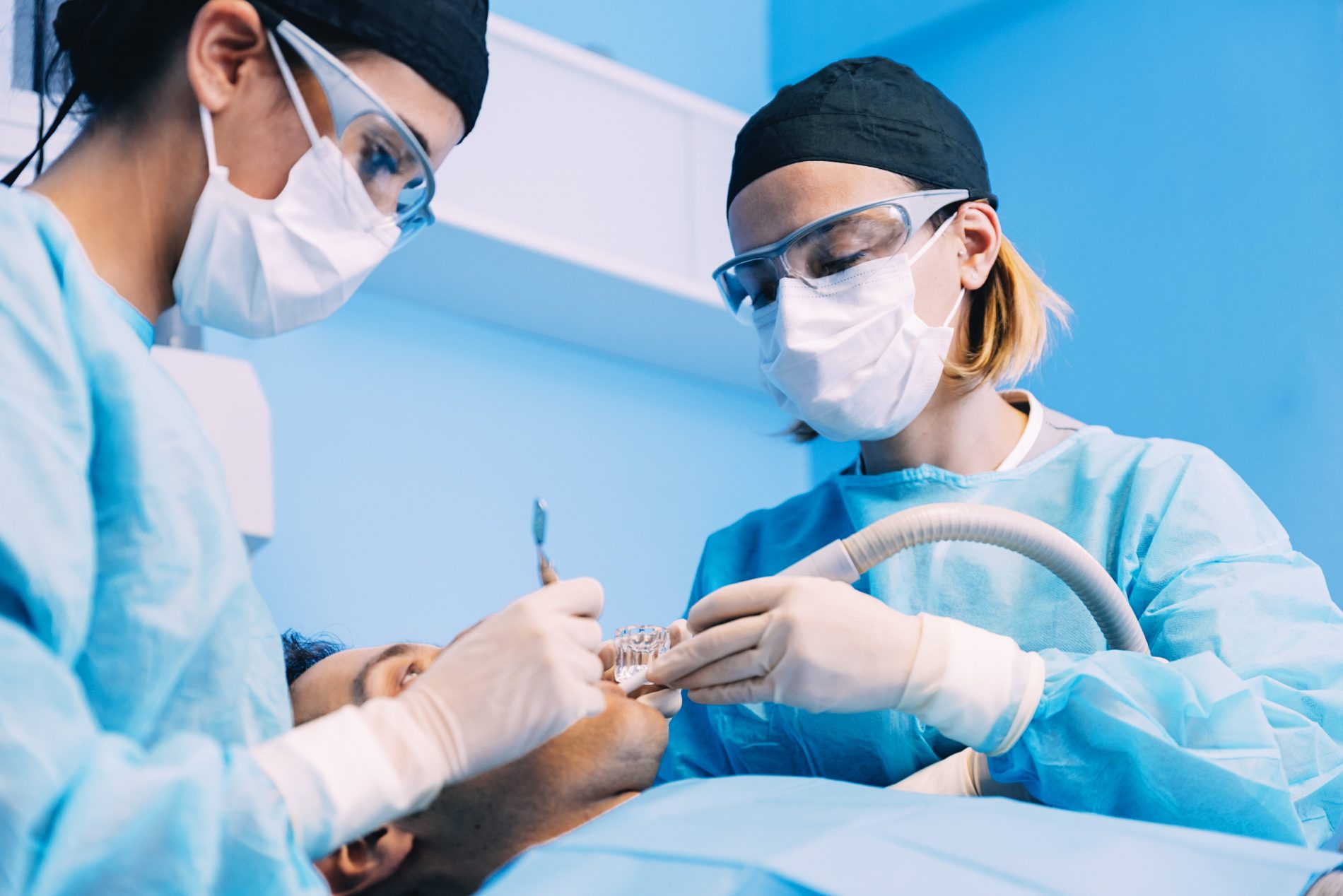
On the day of surgery, any non-restorable teeth are removed, and four implants are placed at planned angles for optimal support. In many cases, a provisional full-arch restoration is attached the same day, allowing you to leave with an attractive, functional temporary bridge while your implants heal. This immediate-load approach supports comfort and confidence during the healing phase.
Typical timeline:
Consultation and planning: 1–2 visits
Surgery and provisional bridge: often completed in one appointment
Healing and osseointegration: approximately 3–6 months, depending on individual factors
Final prosthesis delivery: once integration is complete, your definitive bridge is custom-fabricated and fitted for optimal comfort, bite, and aesthetics
Recovery is generally smooth with proper care. Mild swelling, tenderness, and minor bruising are common for a few days. Providers offer detailed aftercare instructions tailored to your needs, which typically include:
Using prescribed medications and cold compresses as directed
Following a soft-food diet during the initial healing phase
Keeping the surgical area clean with gentle rinsing as advised
Attending follow-up visits for checks and adjustments
During the planning phase, you can also discuss all on four dental implants cost, including fees for imaging, surgery, provisional and final restorations, sedation (if used), and maintenance. Understanding the full scope helps you compare options with clarity.
Are You a Candidate for All-On-4?
All on 4 dental implants are often recommended for adults with multiple missing or failing teeth, advanced wear, or those frustrated with removable dentures. You may be a strong candidate if you want a fixed, full-arch solution with fewer surgeries and a quicker return to function. Many patients with bone loss in the back of the jaw still qualify due to the strategic angulation of the posterior implants.
This approach can address a range of concerns, including:
Extensive decay or gum disease resulting in non-restorable teeth
Multiple missing teeth across an arch
Ill-fitting or unstable removable dentures
Difficulty chewing or speaking
Desire for a more natural-looking, low-maintenance solution
During a consultation, clinicians perform a thorough evaluation to confirm candidacy. This includes a 3D scan, periodontal assessment, bite analysis, and a review of systemic health factors such as diabetes control, medication use, and smoking status. If needed, they coordinate with your medical providers to optimize your health before surgery. A clear, personalized plan supports predictable, long-lasting outcomes. As part of this process, expect a transparent discussion about all on four dental implants cost relative to your specific anatomy and restoration preferences.
Frequently Asked Questions
Do All-On-4 implants look natural? Yes. The final bridge is custom-designed to complement your face, with tooth shapes and shades that mimic natural enamel and gum contours. Most people will not be able to distinguish your restoration from natural teeth.
How do I care for my All-On-4 restoration? Daily hygiene is simple: brush twice daily with a soft brush, clean under the bridge with floss threaders or a water flosser, and use any recommended adjuncts. Schedule regular professional cleanings and check-ups to maintain tissue health and monitor implant stability.
What is the long-term success rate? All on 4 dental implants are associated with high success rates when placed and maintained properly. Titanium implants integrate with bone, providing a stable foundation that resists movement and supports chewing forces. With consistent at-home care and routine follow-ups, the system is built for long-term performance.
Will I need to change my diet? During initial healing, you’ll follow a soft-food diet to protect the implants as they integrate. After your final bridge is placed, most patients return to a wide variety of foods. You’ll receive guidance on best practices to protect your restoration while enjoying everyday meals.
Is the procedure uncomfortable? Patient comfort is a priority. Local anesthesia and, when appropriate, sedation options help ensure a relaxed experience. Post-operative discomfort is typically manageable with prescribed medication and improves as healing progresses.
How much do they cost? All on four dental implants cost varies based on factors such as diagnostic imaging, the need for extractions, the complexity of surgery, materials used for the provisional and final bridge (for example, zirconia versus acrylic), laboratory customization, and geographic region. A detailed consultation provides a personalized estimate so you can compare all on four dental implants cost with other solutions like removable dentures or traditional implant bridges.
What to Expect After Treatment
As your implants integrate during the healing phase, your provider monitors progress and makes any needed adjustments to your provisional bridge. Once integration is complete, precise digital impressions and measurements guide crafting of your definitive restoration. The final bridge is engineered for an accurate fit, balanced bite, and polished aesthetics, ensuring the result looks natural and feels comfortable.
Most patients transition smoothly to normal routines within a few days, following post-operative guidance. Ongoing maintenance includes professional cleanings, periodic evaluations, and at-home hygiene tailored to implant-supported restorations. With proper care, all on 4 dental implants offer a reliable, long-lasting solution that enhances both confidence and oral health.
Long-term costs include routine maintenance and occasional component replacement, similar to other dental prosthetics. Discuss expected timelines for maintenance and how they relate to overall value when evaluating all on four dental implants cost as part of your long-range oral health plan.
Your Next Step
If you’re ready to explore a fixed, full-arch solution that looks natural and functions like your own teeth, the all on 4 dental implants approach may be right for you. Schedule a consultation to understand your candidacy, compare options, and review a clear estimate. You’ll receive a personalized treatment plan and guidance for a smile designed for everyday life.
By considering function, aesthetics, longevity, maintenance needs, and all on four dental implants cost, you can make an informed decision that aligns with your health goals and budget.
Jaw bone grafting restores lost or weakened bone so it can support healthy teeth, dental implants, and overall facial structure. In an oral bone graft, clinicians collaborate with trusted oral surgeons and restorative dentists to plan grafts that complement orthodontic or implant treatment. Below, we outline what jaw bone grafting is, why it may be recommended, how the procedure works, and what to expect during recovery, so you can make informed decisions about your oral health. When performed thoughtfully, a bone graft mouth procedure can help rebuild areas affected by tooth loss or gum disease and improve long-term oral function.
What Is Jaw Bone Grafting?
Jaw bone grafting adds or regenerates bone where volume or density has diminished. The aim is to build a stable foundation for teeth and dental implants, while supporting natural facial contours. An oral bone graft is tailored to the unique demands of the mouth and may be used to improve implant sites or stabilize teeth weakened by bone loss.
Common graft materials include:
Autograft: your own bone, often from the chin or another donor site
Allograft: processed donor bone
Xenograft: bone from animal sources, typically bovine
Alloplast: biocompatible synthetic materials that encourage bone growth
Your provider will recommend the option best suited to your health, anatomy, and treatment plan. In a bone graft mouth procedure, material choice and placement technique are selected to promote predictable healing and integration with your natural bone.
Grafting in the jaw is tailored to the unique demands of the mouth, chewing forces, precise implant positioning, and proximity to the sinuses. Techniques such as ridge augmentation, socket preservation, and sinus lifts are customized to your jaw anatomy and the timing of orthodontic or implant therapy. These approaches are part of comprehensive care planning for jaw bone grafting, ensuring that oral bone graft outcomes align with long-term restorative or alignment goals.
Why Is Jaw Bone Grafting Necessary?
Several conditions can reduce jaw bone volume, including periodontal disease, long-standing tooth loss, trauma, congenital defects, and infection. Jaw bone grafting is often recommended to stabilize an area before orthodontic alignment or implant placement. By reinforcing compromised sites, an oral bone graft can improve tooth stability and prepare for future restorations.
Dental implants require strong, healthy bone to integrate and remain secure. When bone is insufficient, an implant may not be feasible or could fail prematurely. By rebuilding deficient areas, a bone graft mouth procedure helps create predictable implant outcomes and long-term stability for crowns, bridges, or overdentures.
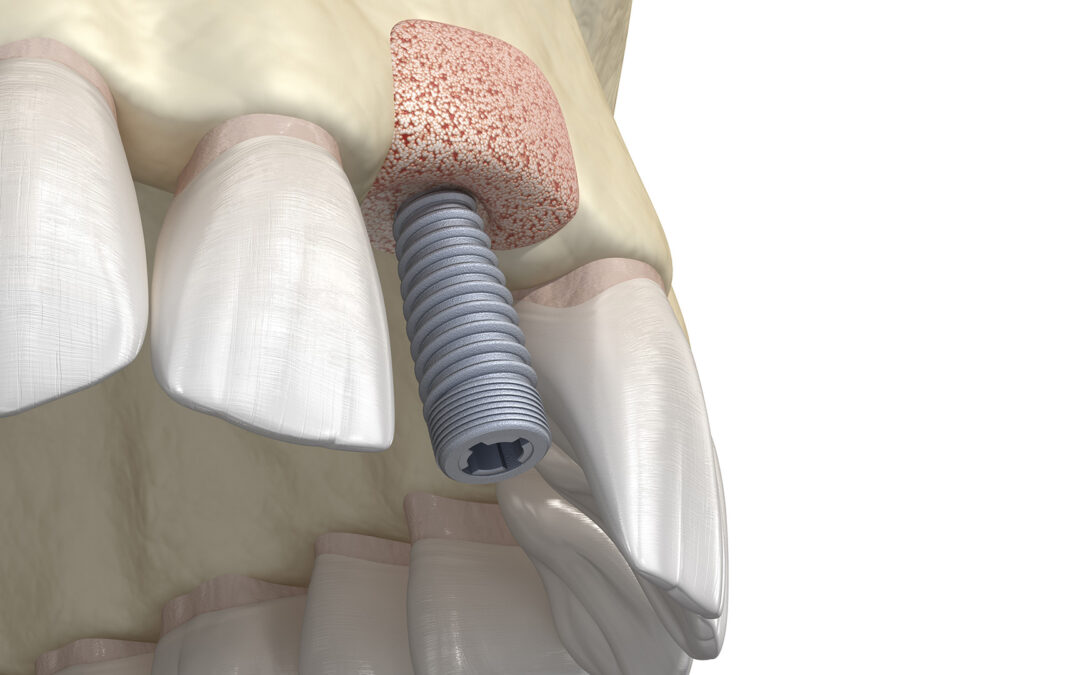
After a tooth is removed, the surrounding bone naturally resorbs over time. This can alter your bite, impact facial aesthetics, and complicate future restorations. Jaw bone grafting can preserve the ridge immediately after extraction (socket preservation) or reconstruct areas that have thinned, supporting both function and appearance. In cases of advanced sinus pneumatization, sinus lift techniques can increase vertical bone height for implant placement.
The Jaw Bone Grafting Procedure
While specifics vary by case, the typical process includes:
Assessment and imaging (X-rays or 3D scans) to determine graft size and placement
Site preparation, including careful cleaning and shaping
Placement of the graft material and, when indicated, a protective membrane
Stabilisation with sutures and detailed post-operative instructions
For sinus lift procedures, the sinus floor is gently elevated and graft material is placed to increase vertical bone height, creating space and support for future implants. This is a specialized form of oral bone graft aimed at reinforcing the upper jaw.
Your comfort is a priority. Local anesthesia is typically used, and some patients may opt for sedation depending on the complexity of the procedure and personal preference. Your clinician will review your medical history, discuss options, and recommend a safe, personalized plan.
Post-procedure care focuses on protecting the graft as it begins to heal. Typical guidance includes:
Take prescribed medications exactly as directed
Use cold compresses during the first 24-48 hours to reduce swelling
Choose soft foods and avoid chewing on the grafted side
Keep the area clean with gentle rinsing as instructed; avoid vigorous spitting
Do not smoke, vape, or use straws during early healing
Attend all follow-up visits with your surgical and dental providers
Following these steps helps ensure a bone graft mouth site remains undisturbed, promoting healthy integration.
Recovery and Expected Outcomes
Initial recovery typically takes 1-2 weeks, though full graft maturation generally occurs over 3–6 months. During this time, the graft integrates with your natural bone, strengthening the jaw for future orthodontic movement or implant placement. With appropriate care, jaw bone grafting can offer durable support for replacements and improve chewing function.
Healthy healing usually involves decreasing swelling within a few days, manageable discomfort, pink and healthy gum tissue, and no persistent drainage. Contact your care team promptly if you experience any of the following:
Prolonged or increasing pain
Fever or unusual swelling
Persistent bleeding
Graft exposure or membrane loosening
Persistent numbness
Long-term success depends on consistent follow-up and excellent oral hygiene. Regular check-ups, professional cleanings, and daily home care, twice-daily brushing, interdental cleaning, and a balanced diet, help maintain healthy bone and gums. When coordinated with comprehensive treatment planning, oral bone graft procedures create a reliable foundation for precise tooth movement and durable implant restorations. Understanding the indications, process, and recovery for jaw bone grafting empowers you to make informed choices that support a functional, confident smile.
Choosing dental implants is a meaningful step toward restoring the comfort, function, and appearance of your smile. This guide outlines your dental implant options, the factors that influence selection, how treatment works from start to finish, and why patients trust experienced clinicians for durable, natural-looking results.
Understanding the Types of Dental Implants
Modern dental implants are designed to look, feel, and function like natural teeth. We focus on proven implant systems and precise planning to deliver predictable, long-term outcomes. Your recommended approach depends on your bone structure, the number of missing teeth, and your desired aesthetic and functional results. When exploring dental implant options, understanding the core types of dental implants helps you make informed choices.
Endosteal implants: the most common option
Placed directly into the jawbone, endosteal implants act like artificial roots that support single crowns, implant-supported bridges, or full-arch restorations.
They offer excellent durability and stability, recreating natural chewing function and maintaining a seamless appearance within your smile.
Because of their compatibility with modern imaging and guided placement, endosteal implants are the solution most often recommended for predictable outcomes among the types of dental implants.
Subperiosteal implants: for limited bone support
Subperiosteal implants rest on top of the jawbone beneath the gum tissue using a custom framework to support the restoration.
This approach may be considered when traditional bone support is insufficient and bone grafting is not preferred.
Careful evaluation of candidacy prioritizes comfort, stability, and aesthetic integration while minimizing invasive procedures within available dental implant options.
Single versus multiple implants
Single implants replace one missing tooth with a standalone post and crown, preserving adjacent teeth by avoiding the need to alter healthy enamel for a traditional bridge.
Multiple implants can replace several teeth or support a full arch, improving bite efficiency and reducing pressure on the gums compared to removable dentures.
Treatment teams customize the number, position, and angle of implants to optimize strength, symmetry, and long-term performance for your specific case.
By reviewing the types of dental implants, you can compare benefits and limitations and select the solution that best aligns with your health and goals among today’s dental implant options.
Key Factors When Choosing Your Implant Solution
Your ideal implant option depends on a combination of clinical and personal considerations. Comprehensive evaluations help design a treatment plan that supports lasting health and a natural-looking smile. These factors apply across the spectrum of dental implant options and the different types of dental implants available.
Bone density, volume, and osseointegration
Adequate bone volume and density are essential for implant stability and osseointegration—the process where bone naturally fuses with the implant for a secure foundation.
3D imaging can assess bone quality, map vital structures, and plan precise implant placement that reduces risk and enhances comfort.
If needed, bone grafting or ridge preservation can strengthen the site, improving long-term success and allowing for the most conservative approach possible.
Lifestyle and oral health considerations
Habits such as smoking, bruxism, and inconsistent oral hygiene can influence implant selection, healing timelines, and maintenance needs.
Your athletic activities, dietary preferences, and cosmetic goals help inform decisions around materials, restoration design, and protective devices like nightguards.
Practical guidance for home care and routine check-ups helps keep implants healthy and protect your investment.
Durability, maintenance, and long-term value
High-quality materials combined with precision surgical and restorative techniques promote longevity and a natural feel.
Routine dental visits, daily brushing and flossing, and wearing a nightguard if you grind your teeth help maintain function and aesthetics.
Well-designed restorations can be repairable and straightforward to maintain, reducing lifetime costs and downtime while preserving your smile.
The Dental Implant Process: What to Expect
The implant process is streamlined and patient-focused, so you know what to expect at every stage. From initial consultation to final restoration, comfort and clarity guide your care when considering dental implant options.
Step-by-step overview
Consultation and imaging: Your medical and dental history is reviewed, digital X-rays and 3D scans are taken, and a precise treatment plan tailored to your needs is created.
Pre-treatment optimization: If necessary, bone grafting, gum care, or other preparatory procedures are completed to ensure a stable foundation.
Implant placement: The implant is placed under local anesthesia using meticulous technique and, when indicated, guided surgery to maximize comfort and accuracy.
Healing and integration: Over several weeks, the implant integrates with your bone. During this phase, you’ll follow personalized aftercare guidance to support healing.
Abutment and restoration: Once integration is confirmed, a connector called an abutment is attached, and a custom crown, bridge, or full-arch solution is designed and secured.
Recovery timeline and aftercare
Mild swelling or tenderness is common for a few days and is manageable with simple home care instructions.
Most patients resume normal activities within 24–48 hours, following recommendations for diet, oral hygiene, and activity modifications as needed.
Detailed aftercare tips help protect the implant site, promote healthy gums, and support smooth integration.
Importance of follow-up
Scheduled visits allow monitoring of healing, verification of implant stability, and adjustment of your bite if needed.
Regular check-ups and cleanings keep your implant and surrounding gums in optimal condition.
Proactive care helps identify minor issues early, preventing more complex treatment and preserving long-term success.
Benefits of Choosing Dental Implants
Dental implants are a long-term solution with significant benefits for comfort, appearance, and oral health. Patients consistently report a natural feel, improved confidence, and reliable function when selecting from various dental implant options.
Aesthetics and function that feel natural
Custom-shaped crowns and restorations are crafted to match the shade and contours of your natural teeth for a realistic, seamless look.
Stable bite mechanics allow you to chew comfortably and speak clearly without slipping or clicking.
Implants help support facial contours, reducing the sunken appearance that can occur with missing teeth.
Oral health and overall well-being
Implants stimulate the jawbone, helping to maintain bone density and reduce future bone loss.
They do not rely on adjacent teeth for support, preserving natural enamel and alignment compared to traditional bridges.
Improved chewing efficiency can support better nutrition and enhance quality of life.
Long-term value and cost-effectiveness
Although the initial investment can be higher than alternatives, implants are designed for longevity with fewer replacements over time.
Durable materials and conservative maintenance help minimize lifetime costs.
Transparent pricing and phased treatment planning can help you budget confidently for each step.
Frequently Asked Questions About Dental Implants
Informed decisions lead to better outcomes. Here are answers to common questions about dental implant options, care, and the types of dental implants available today.
Common concerns and misconceptions
Pain and downtime: With modern techniques and local anesthesia, most patients report minimal discomfort and a quick recovery.
Age limitations: Eligibility is determined by overall health and bone quality, not just age.
Appearance: Today’s implant restorations are customized to match your natural teeth in shade and shape for a discreet result.
Insurance and financing
Coverage varies by plan; teams can help you understand benefits, submit pre-authorizations, and estimate out-of-pocket costs.
Flexible financing options and staged treatment may make implants more accessible.
Clear estimates and payment options are typically provided before treatment begins so there are no surprises.
Success rates and satisfaction
With proper care, dental implants have high success rates and can last for decades.
Routine hygiene visits and consistent home care keep implants healthy and comfortable.
Patients frequently report improved confidence, function, and satisfaction with their results.
Ready to learn more about your dental implant options? Consider a personalized consultation to review the types of dental implants, compare approaches, and discover a solution tailored to your smile.
Bone grafting for dental implants is a reliable method to rebuild jawbone volume and density so implants can be placed securely and function for many years. Our team carefully evaluates your oral health, bone quality, and treatment goals to determine the most appropriate grafting approach before implant placement. If you have experienced bone loss due to tooth extraction, gum disease, infection, trauma, or natural resorption, grafting can restore the foundation needed for stable, natural-looking results. Below, you’ll find a clear overview of how bone grafting works, the main graft options, what happens during the procedure, and practical recovery guidance. Understanding the process helps you make confident decisions as you plan your path to a stronger, healthier smile. For many patients, a bone graft for implant planning is completed ahead of time, and those asking about “bone graft teeth” often want to know how the graft supports neighboring teeth and future implant stability.
Understanding Bone Grafting
Bone grafting for dental implants is a proven technique used to rebuild or augment areas of the jaw where bone has thinned, resorbed, or become uneven. The primary aim is to create a stable, healthy foundation so an implant can integrate securely with the jawbone. Clinicians collaborate closely to assess your bone anatomy and determine whether grafting should be completed before, or in some cases in conjunction with, implant planning. Many people refer to this as a bone graft for implant preparation, and some use the phrase bone graft teeth when discussing grafts placed after extractions to preserve ridge shape.
Successful implants depend on adequate bone density, volume, and blood supply. Dense, well‑vascularized bone supports osseointegration, the natural process where the implant fuses to the jaw. If bone is too thin, porous, or irregular, it can compromise implant stability, alignment, and long-term function. Comprehensive imaging, such as 3D scans, and clinical assessment allow clinicians to measure bone quantity and quality, ensuring your plan accounts for chewing forces, bite dynamics, and preservation of facial structure. In many cases, bone grafting for dental implants restores the foundation needed so a bone graft for implant placement can be timed appropriately.
Several situations can make grafting advisable. Common scenarios include long-standing gaps after tooth loss leading to resorption, periodontal (gum) disease that reduces supporting bone, trauma or infection that damages bone tissue, and congenital or developmental differences affecting jaw anatomy. In the upper jaw, limited bone beneath the sinuses may restrict implant placement and sometimes requires sinus augmentation to create sufficient height. If you are considering dental implants, a clinician will discuss whether bone grafting for dental implants aligns with your goals and design a personalized plan for predictable, lasting results, including whether a socket preservation bone graft teeth procedure is recommended immediately after extraction.
Types of Bone Grafts
Choosing the right graft material is key to rebuilding bone effectively and supporting implant success. Understanding the main graft types can help you and your specialist select the best option for your diagnosis, comfort, and timeline. These choices apply whether you need a bone graft for implant placement in a single site or broader ridge preservation sometimes referred to as bone graft teeth care.
Autografts (your own bone): Autografts are harvested from your body, commonly from areas such as the jaw or chin, and occasionally the hip. They are often considered a gold standard because they contain living cells and natural growth factors that can promote robust integration and bone regeneration at the graft site. Your oral surgery partner will review your anatomy, medical history, and extent of bone loss to determine whether an autograft is appropriate for bone grafting for dental implants.
Allografts (donor bone): Allograft materials come from carefully screened human donors and are processed to ensure safety and biocompatibility. They eliminate the need for a second surgical site and provide a scaffold that supports new bone growth. For many patients, allografts offer a reliable way to rebuild volume and dimensions needed for implant placement, with selection guided by clinical needs, healing goals, and anticipated timelines. This option is frequently used in bone graft teeth socket preservation and in a bone graft for implant preparation where a second surgical site is not desired.
Synthetic grafts (man‑made materials): Synthetic options, such as biocompatible ceramics or polymers, are engineered to act as a scaffold that encourages your body to regenerate bone. Advantages include consistent quality, readily available supply, and removal of donor-related variables. Teams use proven synthetic materials when appropriate to streamline healing and achieve a stable foundation for implants, particularly when timing a bone graft for implant placement after imaging confirms readiness.
Your provider will recommend the graft type that best matches your diagnosis, preferences, and long-term implant success, and will explain how each option supports your specific treatment plan. This guidance is especially helpful for patients comparing approaches to bone grafting for dental implants and those asking whether bone graft teeth preservation at extraction could reduce the need for later augmentation.
The Bone Grafting Procedure
Understanding what happens during bone grafting for dental implants helps you feel prepared. The process begins with a thorough evaluation, including imaging to assess bone volume, density, and anatomy. If grafting is recommended, the site is cleaned and prepared, graft material is placed to augment the jawbone, and a protective membrane may be positioned to stabilize the area and guide tissue healing. The gum is then sutured, and the site is allowed to heal before your implant is placed at a later visit, unless a simultaneous approach is appropriate for your case. In some instances, a bone graft for implant planning may occur right after extraction to preserve the socket, commonly called bone graft teeth or socket preservation.
During the procedure, you can expect a calm, step‑by‑step experience. After anesthesia is administered, the area is numbed so you should not feel pain, though you may notice gentle pressure or vibration. The appointment typically lasts 45 to 90 minutes, depending on the extent of grafting and the number of sites involved. After the procedure, mild swelling and tenderness are common; clinicians provide detailed aftercare instructions covering oral hygiene, diet, and tips to manage discomfort and support optimal healing. These instructions apply whether you had socket preservation (bone graft teeth) or ridge augmentation as part of bone grafting for dental implants.
Several anesthesia options may be available, and the safest, most comfortable fit is chosen based on your medical history, anxiety level, and treatment complexity. Local anesthesia numbs the graft area and allows you to remain awake with minimal downtime. Nitrous oxide (laughing gas) can be added to reduce anxiety while keeping you responsive. For deeper relaxation, oral sedation or IV sedation may be appropriate; these options require an escort and additional recovery time. This tailored approach helps ensure your bone graft for implant preparation is both comfortable and effective.
Recovery After Bone Grafting
Most patients experience mild swelling, bruising, and tenderness for two to three days, with noticeable improvement by the end of the first week. Initial healing of gum tissue usually occurs within one to two weeks, while the graft integrates with your natural bone over three to six months. Your clinical team will monitor progress and advise when you are ready to proceed with implant placement. This timeline can vary depending on the type of bone grafting for dental implants performed, including whether a bone graft for implant placement was done at the time of extraction or after a period of healing.
To support a smooth recovery, follow post‑operative instructions closely. Protect the surgical site by avoiding touching the area and refraining from using straws or spitting forcefully for 24 to 48 hours to prevent dislodging the blood clot. Use cold compresses during the first day to reduce swelling, then transition to gentle warmth after 48 hours. Take prescribed medications as directed, including any antibiotics and pain relief. Maintain a soft diet, such as eggs, yogurt, smoothies without seeds, and stay well hydrated. Begin gentle saltwater rinses after 24 hours unless advised otherwise, and practice excellent oral hygiene by carefully brushing away from the graft site. Rest, limit strenuous activity for several days, and attend all follow‑up appointments so healing milestones can be tracked. These guidelines are equally relevant after bone graft teeth preservation or a larger augmentation in preparation for a bone graft for implant placement.
Contact a clinician promptly if you notice signs of complications, such as increasing pain or swelling after day three, persistent bleeding, fever or chills, foul taste or drainage, gum tissue opening over the graft, or difficulty swallowing or breathing. Early evaluation helps keep bone grafting for dental implants on schedule and supports predictable outcomes.
Deciding between dental implants and dentures influences not only how your smile looks, but also how you eat, speak, and maintain your oral health over time. This guide offers a straightforward, evidence-based comparison so you understand how each solution works, what to expect day to day, and how costs and longevity differ. Below, you’ll find clear guidance on function, materials, durability, care, and lifestyle fit, so you can confidently compare dental implants vs dentures and select the option that looks natural, feels secure, and supports long-term oral health. When you’re ready to weigh dental implants or dentures in more detail, use this overview to frame questions for your dental professional and align your choice with your goals, health, and budget.
What to Know About Dental Implants
Dental implants are a fixed replacement for missing teeth designed to replicate the look, feel, and function of natural teeth. Each implant includes a small titanium post placed in the jawbone, an abutment that connects the post to the restoration, and a custom crown that blends with your smile. Over time, the implant post fuses with the bone through osseointegration, creating a strong, stable foundation that supports confident chewing and speaking without movement. Understanding these fundamentals is essential when comparing dental implants vs dentures or asking, are dental implants better than dentures for your needs.
Modern implant therapy uses proven, biocompatible materials selected for strength, safety, and aesthetics. Titanium remains the gold standard for implant posts because it integrates reliably with bone tissue. In carefully selected cases, zirconia components may be recommended for their tooth-colored appearance and excellent compatibility with soft tissues. Custom crowns are typically made from durable, high-quality ceramics to provide lifelike translucency and long-term resilience.
With proper care, implants are designed to last for decades and can often serve as a long-term solution. Their integration with the jawbone supports facial structure and helps slow or prevent bone loss that can occur after tooth loss. Maintenance is similar to caring for natural teeth, routine brushing, interdental cleaning, and regular professional check-ups, making implants a convenient, low-profile solution in everyday life. Careful planning and advanced imaging help ensure ideal placement and long-term stability, which is a key consideration when evaluating dental implants or dentures.
Overview of Dentures
Dentures are removable prosthetics designed to restore missing teeth, support facial contours, and improve chewing and speech. There are two main categories: full dentures and partial dentures. Full dentures replace a complete upper or lower arch, while partial dentures fill spaces when some natural teeth remain and use discreet clasps or precision attachments for support. This context is useful when comparing dental implants and dentures and deciding how each could fit your lifestyle.
The process begins with a comprehensive evaluation and digital impressions to capture accurate jaw and bite relationships. A wax try-in allows you to preview the shape, color, and alignment before the final appliance is made. Once your dentures are delivered, follow-up appointments fine-tune fit, adjust bite, and relieve any pressure points as your mouth adapts. Regular evaluations help maintain comfort and performance as your oral tissues change over time.
Modern denture materials are selected for strength, comfort, and appearance. High-impact acrylic resins create a lifelike, gum-colored base, while premium acrylic or composite teeth are shade-matched to complement your features. For partial dentures, a lightweight cobalt-chrome framework may be used to increase stability while keeping the design slim. Balanced aesthetics and function help ensure your dentures look realistic, fit securely, and perform dependably in daily use.
Cost Comparison: Implants vs. Dentures
When evaluating the cost of dental implants vs dentures, it helps to weigh both the initial investment and the long-term value. Implants generally have a higher upfront cost because they include the implant post, abutment, crown, and advanced diagnostics and surgical placement. Dentures typically carry a lower initial fee since they do not require surgery. Clear, detailed estimates for both dental implants and dentures can help you understand what is included before you begin.
Over time, total costs can shift the value equation. Dental implants are designed as a durable, fixed solution that can help preserve jawbone and reduce the likelihood of frequent repairs or replacements. While the initial expense is higher, many patients find implants offer predictable performance and long-term convenience. Dentures, by contrast, may require periodic relines, adjustments, and eventual replacement due to normal wear and changes in oral anatomy. Over a 5–10 year period, those maintenance needs can add up, an important factor when deciding between dental implants or dentures.
Insurance coverage varies widely by plan. Some benefits apply differently to implants and dentures, and certain plans may cover aspects such as extractions or a portion of the restoration. Verification of your specific coverage and expected reimbursements is helpful to maximise benefits. For out-of-pocket costs, flexible financing options, including monthly payment plans, can make both solutions accessible.
Maintenance and Care: Day-to-Day Differences
Daily care is a key consideration when comparing dental implants vs dentures. Implants are cared for much like natural teeth. Brush twice a day with a soft-bristled toothbrush, clean between teeth and around the implant with floss or interdental brushes, and consider a non-abrasive toothpaste. A water flosser can be especially helpful around the gumline. With consistent home care and regular dental visits, implants are straightforward to maintain and support long-term oral health.
Dentures require a more hands-on routine. Remove and rinse them after meals, gently brush them with a denture brush and non-abrasive cleaner, and soak them overnight in an approved solution to help minimise bacteria and odours. Clean your gums, tongue, and any remaining teeth daily to keep tissues healthy. Handle dentures carefully to avoid damage, and never use hot water or harsh cleaners that can warp or degrade the materials.
Routine professional care is essential for both options. For implants, clinicians monitor implant health, review bone and gum status, and provide professional cleanings to protect your investment. For denture wearers, regular visits allow evaluation of fit, adjustments or relines, and checks of oral tissues to prevent irritation or sore spots. Staying on schedule with professional care helps extend the life of your restoration, maintain comfort, and ensure reliable performance, whether you choose dental implants or dentures.
Potential Risks and Complications
Understanding potential risks helps you make an informed decision. With dental implants, most patients heal predictably, but uncommon issues can include temporary swelling or bruising after surgery, gum irritation, loosening if osseointegration is incomplete, and, rarely, infection. Certain factors, such as smoking, uncontrolled diabetes, or insufficient bone volume, can increase risk. In those cases, additional planning or procedures, such as bone grafting, may be recommended to support a stable outcome when weighing dental implants and dentures.
Dentures come with a different set of considerations. Common concerns include pressure spots, sore areas during the initial adjustment period, reduced stability that can affect eating or speaking, and food debris collecting beneath the appliance. Over time, natural changes in jawbone and gum shape can alter denture fit, making periodic relines and adjustments important to restore comfort and function. Ill-fitting dentures that are not adjusted can contribute to tissue irritation.
Prevention and precision matter for both solutions. For implants, comprehensive diagnostics, including 3D imaging, meticulous surgical planning, and strict hygiene protocols support predictable healing and long-term stability. For dentures, precise measurements, high-quality materials, and careful bite adjustments enhance comfort from the outset. Adhering to home-care instructions and maintaining regular follow-ups are essential in either case. Personalising your plan based on health history, lifestyle, and goals can minimise risks and support lasting success as you choose between dental implants vs dentures.
Function, Comfort, and Aesthetics
Function and comfort are central to daily satisfaction. Dental implants deliver stable biting and chewing power comparable to natural teeth, with no slippage and no need for adhesives. They allow you to speak clearly and enjoy a broad range of foods with confidence. Because implants are fixed, they become part of your routine with minimal lifestyle adjustments, often a reason some ask, are dental implants better than dentures for bite strength and stability.
Dentures, while effective for restoring a full smile, can feel different at first. It may take time to adapt to speaking and chewing, especially with full dentures. Modern designs and careful adjustments improve comfort and stability, but some limitations in biting force and food choices may remain. Adhesives can help with retention, and follow-up visits are important to refine the fit as your mouth changes.
Both options can look highly natural. Implant crowns are custom-shaped and color-matched to adjacent teeth, creating a seamless blend. Today’s dentures also offer realistic tooth shades and gum contours for an attractive result. Your clinician can help you compare the aesthetic possibilities of dental implants and dentures and choose shades and shapes that complement your features and treatment goals.
Longevity and Bone Health
One of the key differences between dental implants and dentures is how they influence bone health over time. When a tooth root is lost, the jawbone in that area can gradually resorb. Dental implants stimulate the bone much like natural roots, helping maintain bone volume and facial structure. This support can contribute to long-term stability and aesthetics, particularly in the smile zone.
Dentures rest on the gums and do not provide the same level of bone stimulation. As natural bone changes, fit can shift, leading to the need for adjustments or relines. While this is normal and manageable, it is an important consideration if you are seeking the most stable, long-term solution. Your clinician may discuss whether implant therapy, either single implants, implant-supported bridges, or implant-retained dentures, offers benefits that matter most to you in the context of dental implants vs dentures.
Who Is a Good Candidate?
Ideal candidates for dental implants generally have sufficient jawbone volume and healthy gums, and are committed to daily oral hygiene and regular professional care. Even if you have experienced bone loss or have complex medical considerations, collaboration with specialists can evaluate grafting or alternative implant approaches. The goal is to restore function and aesthetics with a stable, durable solution tailored to your needs, especially if you are debating if dental implants are better than dentures for your situation.
Dentures are often a good choice for patients seeking a non-surgical, cost-effective solution or for those who prefer a removable option. They can be an excellent interim step for individuals planning future implant treatment, or a long-term option with proper maintenance. For many, implant-retained dentures offer a best-of-both-worlds approach, improving stability and chewing efficiency while remaining removable for easy cleaning, another way to blend the advantages of dental implants and dentures.
Timeline and What to Expect
The timeline for implants and dentures differs. Implant treatment typically involves several phases: evaluation and planning, surgical placement, healing and integration, and final restoration. In some cases, temporary restorations can be provided during healing. The total timeframe varies depending on your health, the number of implants, and whether additional procedures like grafting are needed.
Dentures can often be completed in a shorter period. After initial impressions and measurements, you will try a wax model to preview aesthetics and bite. The final appliance is then fabricated and delivered, followed by adjustment visits. If extractions are needed, immediate dentures may be placed the same day, with a reline performed later as your gums and bone remodel. Understanding these timelines helps you compare dental implants or dentures based on your schedule and priorities.
Making Your Decision
Your ideal solution depends on your priorities, oral health, and lifestyle. If you value a natural feel, strong biting function, and a fixed, low-maintenance solution, dental implants offer exceptional stability and longevity. If you prefer a non-surgical, budget-friendly option with the flexibility to refine fit over time, dentures can reliably restore your smile and confidence. Many also consider hybrid approaches, such as implant-retained dentures, to enhance comfort and function while managing costs. Framing the question as dental implants vs dentures or asking, are dental implants better than dentures for your goals, can clarify what matters most.
The best way to decide is through a personalised consultation. A thorough assessment of your bite, jawbone health, gum condition, and smile goals should outline clear options with timelines, care requirements, and expected outcomes. Use this information to compare dental implants and dentures in an unbiased way and discuss how dental implants or dentures fit your clinical needs, appearance preferences, comfort expectations, and long-term value.
Ready to explore your options? Schedule a consultation with a qualified dental professional to learn how a customised implant or denture solution can elevate your comfort, appearance, and overall oral health. An informed discussion will help you choose confidently between dental implants vs dentures.
Orthognathic surgery, commonly referred to as jaw surgery, is a transformative procedure designed to correct a variety of dental and skeletal issues. Understanding why you may need jaw surgery is crucial for enhancing the functionality of your jaw and improving facial aesthetics. This surgery contributes to better oral health and a more balanced appearance. It is important to be well-informed about the reasons for undergoing such a procedure and how it could benefit you.
Overview of Jaw Surgery
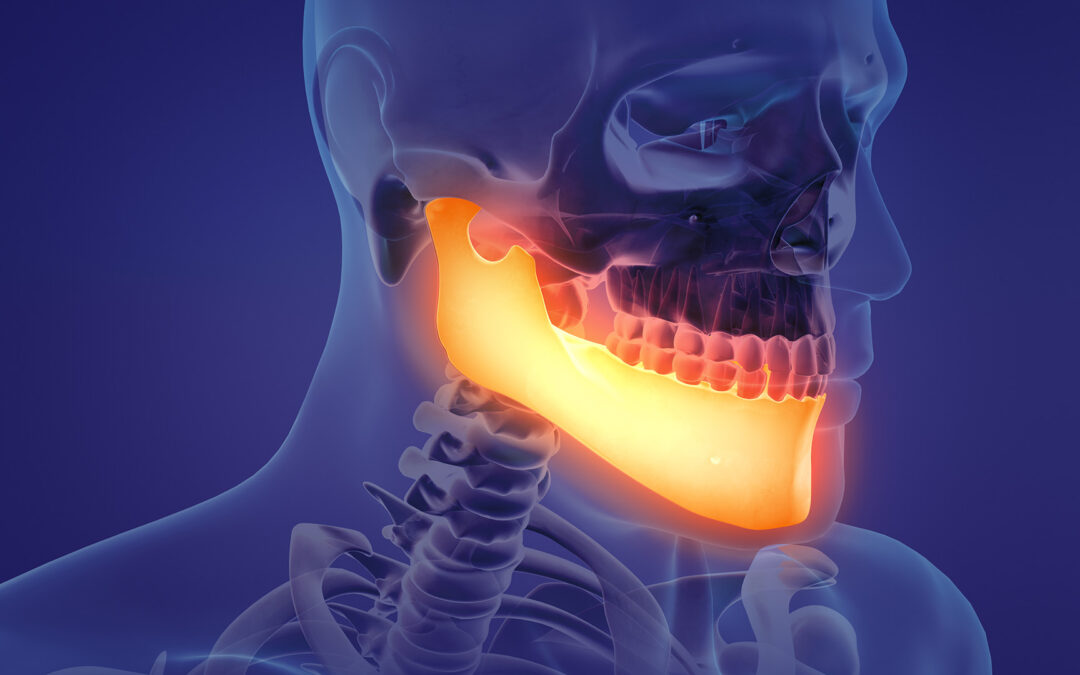
Jaw surgery is a corrective procedure aimed at resolving jaw bone irregularities and realigning the jaws and teeth for improved function and appearance. It is particularly beneficial for correcting skeletal and dental discrepancies that cannot be addressed with orthodontics alone. The surgery enhances chewing, speaking, and breathing, while also providing aesthetic improvements.
Various types of jaw surgery target specific issues. Maxillary osteotomy, performed on the upper jaw, corrects open bites, crossbites, and alignment issues. Mandibular osteotomy, often referred to as surgery for underbite, focuses on the lower jaw, addressing overbites or underbites. Genioplasty reshapes the chin to improve facial harmony. These procedures are customized to fit the patient’s needs, ensuring optimal outcomes.
Potential candidates for jaw surgery include individuals with difficulty chewing or biting, chronic jaw or TMJ pain, open bite or protruding jaw, and facial imbalance. Those with sleep apnea related to jaw structure may also find relief through surgery. Skilled professionals will assess your situation to determine if jaw surgery is the appropriate solution, ultimately leading to enhanced functionality and confidence.
Reasons for Jaw Surgery
There are numerous reasons why you may need jaw surgery, each significantly affecting one’s quality of life. Functional issues such as bite misalignment are primary motivators for this surgery. Misaligned bites can cause challenges in chewing, speaking, and breathing. Correcting these issues can improve functionality and comfort, fostering a harmonious interaction of jaw components.
Aesthetic concerns and facial symmetry also motivate individuals to consider jaw surgery. An imbalanced jaw can disrupt facial symmetry, impacting self-esteem and confidence. Restructuring the jaw can achieve a more balanced facial appearance, enhancing psychological well-being.
Jaw-related health conditions are another compelling reason for surgery. Conditions like sleep apnea, TMJ disorders, and chronic jaw pain can adversely affect daily life. By addressing the jaw structure, surgery can alleviate these problems, leading to better health and improved life quality.
Understanding the diverse reasons behind the decision to undergo jaw surgery is vital, and expert consultations can help you identify the best approach for your needs.
The Jaw Surgery Process
The process of jaw surgery is intricate, aimed at correcting various dental and facial irregularities. The journey begins with a comprehensive consultation where specialists conduct diagnostic assessments, including X-rays, 3D imaging, and thorough dental examinations. These evaluations determine the severity of your condition and help map out a personalized surgical plan.
Experienced oral and maxillofacial surgeons meticulously plan and execute the surgical procedure. Techniques vary based on individual needs but generally involve repositioning jawbones for proper alignment. Conducted under general anesthesia, the procedure ensures a comfortable and pain-free experience.
Recovery from orthognathic surgery is a vital aspect of the process, and extensive support and guidance are essential. Following surgery, swelling and discomfort are expected but typically subside in a few weeks. Detailed instructions on diet, oral hygiene, and activity limitations aid healing. Regular follow-up appointments are crucial to monitor progress and address concerns, ensuring a smooth and effective recovery from orthognathic surgery.