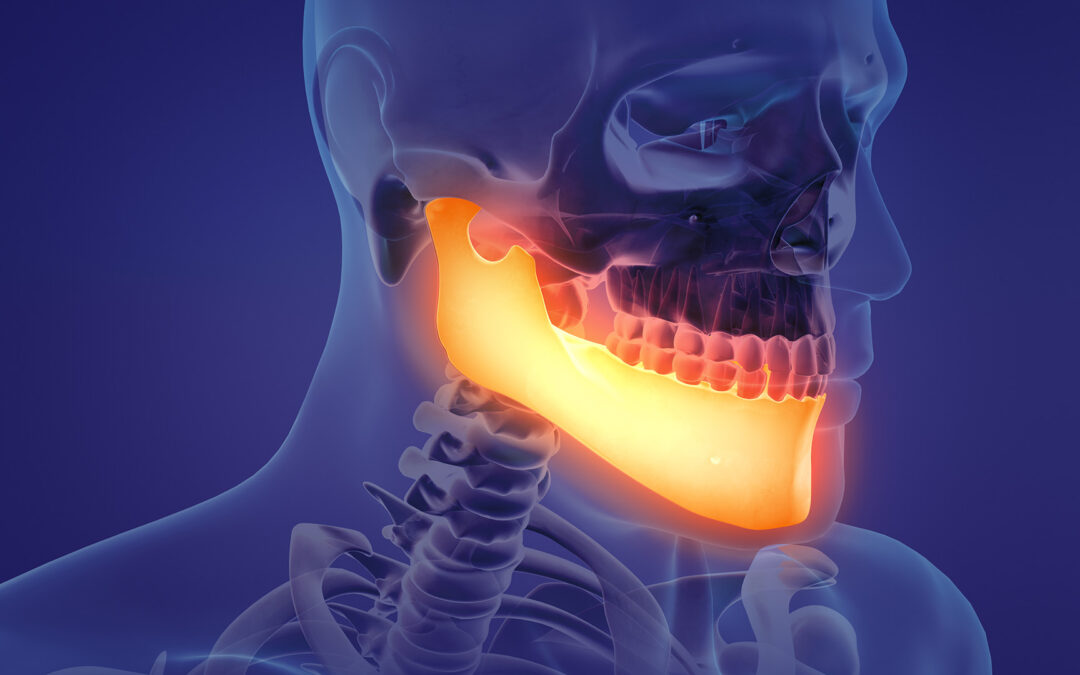
Jaw surgery, also called orthognathic surgery, corrects how the upper and lower jaws fit together and how the face functions and appears. Understanding why you may need jaw surgery starts with identifying whether your challenges stem from jaw position rather than tooth alignment alone. If you struggle with chewing, breathing, speaking, chronic jaw pain, or have a noticeable jaw imbalance, surgery may be part of a comprehensive plan to improve your health and confidence. In some cases, double jaw orthognathic surgery is recommended when both the upper and lower jaws need repositioning to achieve a stable, functional bite and enhanced facial harmony.
Overview: What Jaw Surgery Is and Who It Helps
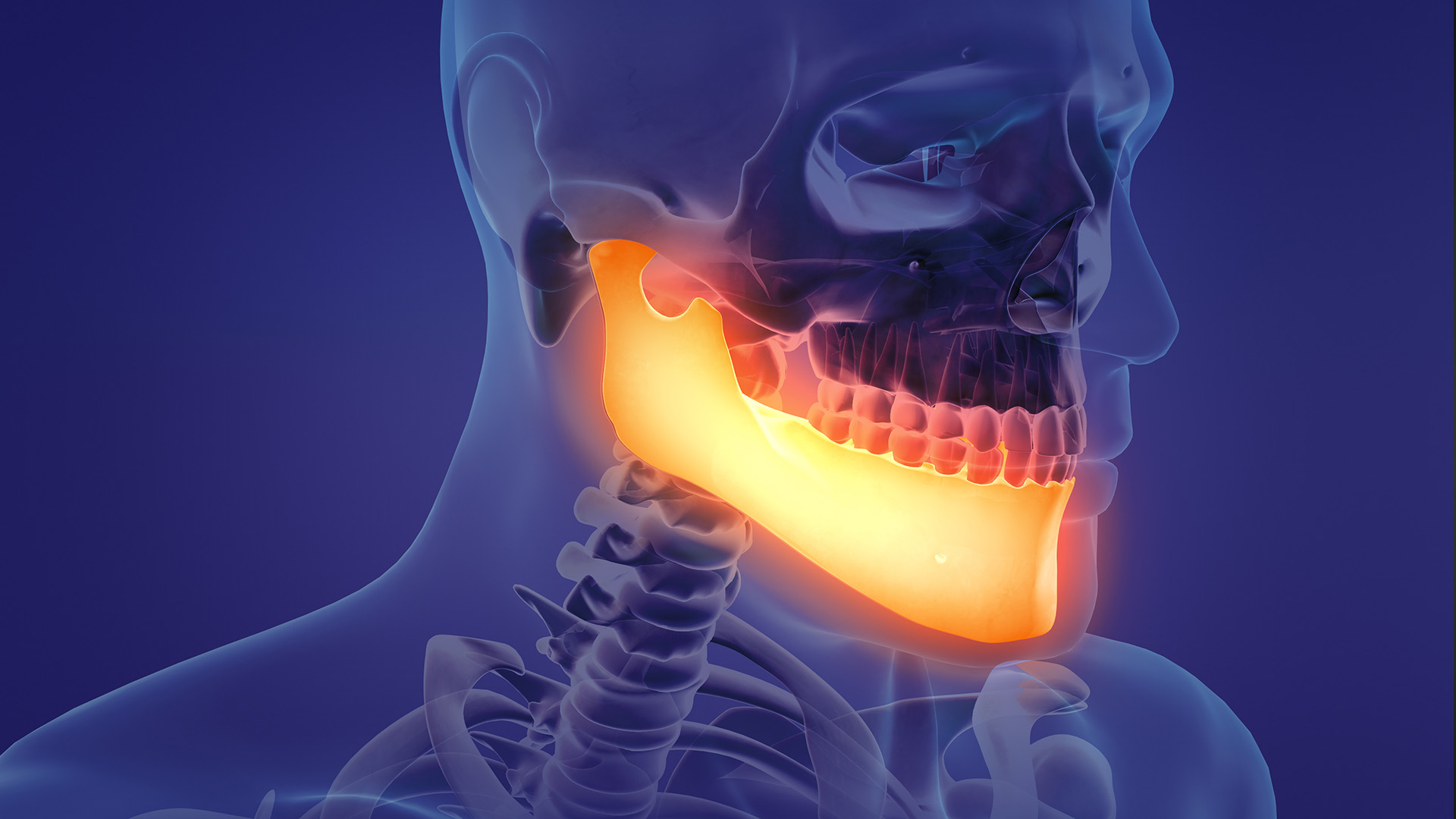
Orthognathic surgery is a corrective procedure performed by an oral and maxillofacial surgeon to reposition the jaws for better function and facial balance. It is often coordinated with orthodontic treatment to align the teeth before and after surgery. Common procedures include maxillary surgery (upper jaw), mandibular surgery (lower jaw), and genioplasty (chin repositioning). These may be performed individually or in combination to create a stable, functional bite and a balanced facial profile. When both jaws are involved, double jaw orthognathic surgery may be the most effective way to correct significant discrepancies.
Patients who benefit from jaw surgery typically have jaw size or position discrepancies that braces or aligners alone cannot correct. Conditions commonly treated include severe overbite or underbite, open bite, crossbite, jaw asymmetry, and concerns related to congenital differences or past facial trauma. Jaw surgery can also be part of treatment for obstructive sleep apnea when airway narrowing relates to jaw position, and it can help patients with temporomandibular joint (TMJ) disorders when structural differences contribute to symptoms. Recognizing why you may need jaw surgery, such as persistent bite problems, airway issues, or facial imbalance, helps determine the best path forward.
Primary goals include improving function so you can chew efficiently, speak clearly, and breathe more easily, while enhancing facial harmony. Many patients experience fewer headaches, less jaw strain, and improved comfort once the jaws and teeth work together properly. Aesthetic improvements are a welcome benefit, but the foundation of treatment is long-term health, stability, and quality of life.
Signs and Symptoms That Suggest You May Need Jaw Surgery
Not every bite issue requires surgery, but certain patterns indicate a skeletal problem rather than a tooth alignment concern alone. Recognizing these signs can help you decide when to seek an evaluation and clarify why you may need jaw surgery instead of orthodontics alone.
- Dental and bite indicators: Deep overbite, significant underbite, open bite (front or back teeth do not meet when the jaws are closed), and crossbite (upper teeth sit inside lower teeth). You may notice difficulty chewing, uneven tooth wear, or teeth that fail to meet evenly despite orthodontic care.
- Breathing, sleep, and speech clues: Loud snoring, gasping during sleep, or daytime fatigue associated with obstructive sleep apnea may relate to a small or retruded jaw. Chronic mouth breathing, especially with a narrow upper jaw, and speech challenges linked to jaw position (such as difficulty forming certain sounds) may reflect an underlying skeletal imbalance.
- Pain and functional concerns: Chronic jaw pain, TMJ clicking or locking, frequent headaches, difficulty swallowing, or a history of facial trauma can indicate that the jaw structure is out of balance. Noticeable facial asymmetry, one side of the jaw appearing longer, wider, or set back, often signals a skeletal difference that may require combined orthodontic and surgical care.
Evaluation and Qualification: How We Determine If Surgery Is Right for You
Determining whether you need jaw surgery begins with a comprehensive evaluation. The process clarifies why you may need jaw surgery and whether a single-jaw procedure or double jaw orthognathic surgery is most appropriate. The assessment starts with a dental exam and bite analysis to see how your teeth come together. Imaging is essential: cephalometric X-rays and CBCT scans provide detailed views of jaw position, airway space, and joint health. Clinical photos document facial symmetry and profile, and when sleep issues are suspected, a sleep study may be recommended to assess for obstructive sleep apnea.
Orthodontic and medical preparation are key to successful outcomes. Many patients wear braces or clear aligners before surgery to align the teeth within each jaw so they fit correctly after repositioning. Timing matters: for growing patients, treatment typically waits until growth is complete to ensure stability, while adults can proceed once dental and periodontal health are optimized. Your care may involve a team that includes an orthodontist, oral and maxillofacial surgeon, primary care physician, and sometimes a sleep specialist or speech therapist. Medical clearances help confirm that anesthesia and surgery are safe for you.
Clear criteria guide recommendations. If your bite discrepancy is primarily dental, non-surgical options such as braces, aligners, elastics, and bite correction appliances may be sufficient. Surgery is recommended when the problem is skeletal, meaning the jaws themselves are misaligned, or when airway obstruction, facial asymmetry, or functional issues cannot be corrected with orthodontics alone. In complex cases, double jaw orthognathic surgery can correct vertical, transverse, and front-to-back discrepancies in a single coordinated procedure. Risks, benefits, and alternatives are reviewed so you can make an informed decision aligned with your goals.
What to Expect: Procedure, Risks, Recovery, and Outcomes
Jaw surgery is performed in a hospital or accredited surgical center under general anesthesia. The surgeon repositions the jawbones using precise cuts made inside the mouth to avoid visible facial scars. Plates and screws are typically used to stabilize the new position during healing, and elastics may guide the bite. Most patients go home the same day or stay one night, depending on the complexity of the procedure and overall health. When both jaws require repositioning to correct the bite and airway, double jaw orthognathic surgery may be recommended and follows similar surgical principles.
As with any operation, there are risks. Potential complications include swelling, bruising, temporary numbness of the lips or chin, bleeding, infection, and bite changes that may require adjustment. Less common risks include nerve injury with prolonged numbness, joint discomfort, relapse of jaw position, and the need for revision surgery. The benefits can be significant: improved bite efficiency, clearer speech, reduced jaw strain and headaches, better breathing and sleep quality for appropriate candidates, and enhanced facial balance. Setting realistic expectations about what surgery can and cannot change is essential and helps define why you may need jaw surgery as part of a long-term health plan.
Recovery is gradual and well supported:
- Swelling peaks in the first week and improves noticeably over two to three weeks.
- Pain is typically managed with prescribed medications, then over-the-counter options.
- A soft or liquid diet is followed initially, progressing to more solid foods over four to six weeks as healing allows.
- Good oral hygiene, including gentle rinsing and careful brushing, helps prevent infection.
- Orthodontic follow-up continues after surgery to fine-tune the bite, and guiding elastics may be used for a period.
- Physical activity is limited at first. Most patients return to school or desk work in one to two weeks and to more strenuous activities once cleared by the surgeon.
Long-term results are designed to be stable and functional. With proper orthodontic finishing and retention, you can expect lasting improvements in chewing, speech, comfort, and facial aesthetics. Regular check-ins with your orthodontist and surgeon help protect your investment in your health and smile.
Common Reasons You May Need Jaw Surgery
| Concern | How Surgery Helps |
| Severe overbite or underbite | Repositions the jaws so upper and lower teeth meet correctly for a stable, efficient bite. In complex cases, double jaw orthognathic surgery addresses both jaws to optimize function and balance. |
| Open bite | Closes gaps between front or back teeth so they contact properly for chewing and speech. |
| Crossbite | Expands or repositions the upper or lower jaw to align arches and improve function. |
| Jaw asymmetry | Balances uneven jaw growth to improve facial symmetry and bite alignment. |
| Obstructive sleep apnea (anatomy-related) | Advances the jaws to open the airway, which can reduce snoring and apnea events. Double jaw orthognathic surgery may be used to enlarge the airway when both jaws contribute to narrowing. |
| TMJ problems with structural causes | Corrects jaw position to reduce strain on the joints and associated symptoms. |
| Post-traumatic or congenital differences | Restores function and balance after injury or developmental variations. |
Getting Started
If you notice signs that jaw surgery might help, the first step is a consultation with an orthodontist and an oral and maxillofacial surgeon. They will review your concerns, complete a thorough exam, and create a coordinated plan that may include orthodontic preparation, a single-jaw procedure, or double jaw orthognathic surgery. Many patients appreciate having a clear timeline for orthodontic preparation, surgery, and finishing touches, along with transparent information about recovery and costs.
Your smile, comfort, and overall health matter. Schedule a visit with a qualified team to learn whether jaw surgery is right for you, better understand why you may need jaw surgery, and explore a treatment plan that fits your life.