The foods you choose after dental implant surgery can make a meaningful difference in how quickly and comfortably you heal. In the first few days, the surgical site is especially sensitive, and avoiding certain textures and ingredients helps protect the area, minimize irritation, and support healthy tissue recovery. Use this guide to learn what to skip, smart alternatives to eat instead, and tips for maintaining a balanced diet as you heal. If you are searching for foods to avoid after dental implant surgery, the sections below outline clear guidance and practical options.
Why Your Diet Matters After Dental Implants
Right after surgery, the implant and surrounding tissues are vulnerable to pressure, inflammation, and infection. Gentle, easy-to-chew foods help control swelling and protect the blood clot and sutures so the area can heal undisturbed.
Nutrition also supports osseointegration, the process where the implant fuses with the jawbone. Prioritize protein to aid tissue repair, vitamin C for collagen formation, and minerals like calcium and vitamin D to strengthen bone. Consistent caloric intake prevents fatigue and supports steady, predictable healing.
Beyond the early recovery phase, your overall oral health benefits from a diet low in added sugars and acids. Choosing whole foods, staying hydrated, and maintaining good oral hygiene helps protect your gums and adjacent teeth and creates a healthier environment around your implant for the long term.
Foods to Avoid Immediately After Surgery
In the first 24–72 hours, steer clear of textures and ingredients that can irritate the surgical area, loosen the blood clot, or interfere with sutures. Understanding the specific foods to avoid after dental implant surgery helps reduce complications and discomfort.
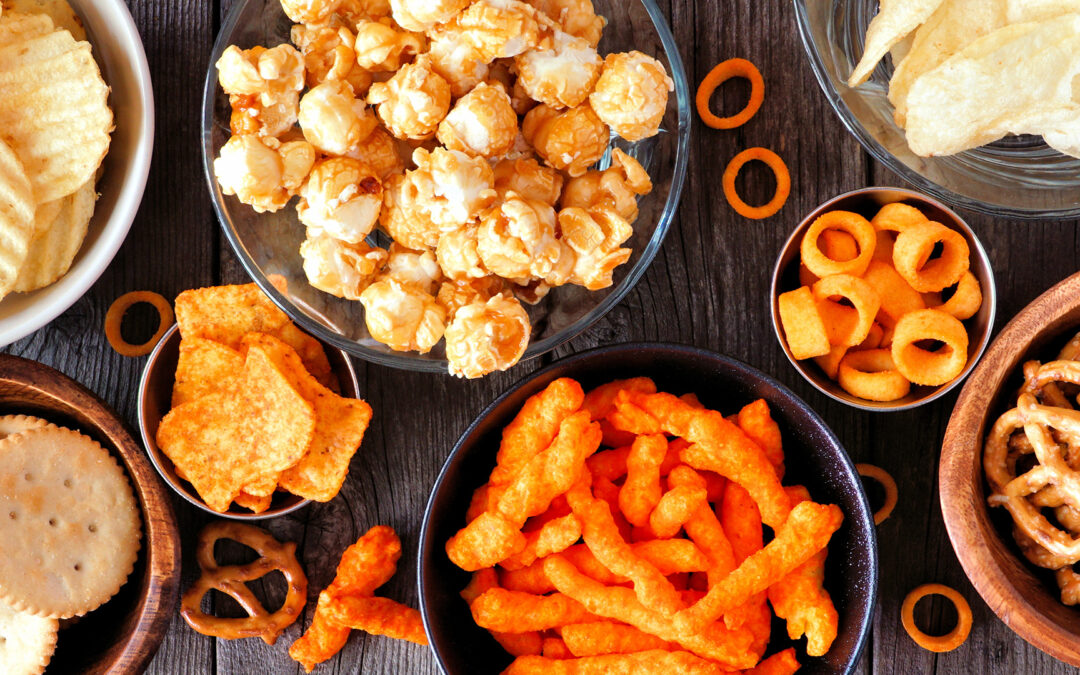
- Hard or crunchy foods: Nuts, chips, crusty bread, raw carrots, granola, and ice can put pressure on the site and may cause bleeding or discomfort. Small fragments can lodge near the incision and are difficult to clean.
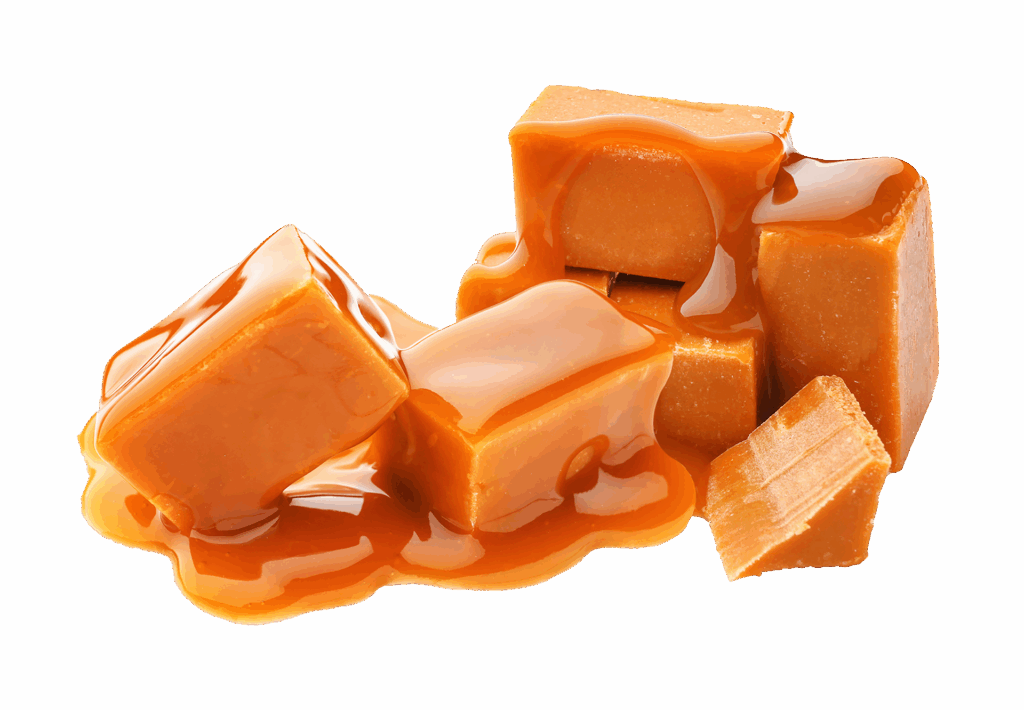
- Sticky or chewy foods: Caramel, taffy, gummy candies, sticky rice, and chewy baked goods can tug on sutures and adhere to the area, increasing the risk of irritation and infection.
- Spicy and acidic foods: Hot peppers, heavily spiced dishes, citrus fruits, vinegar-based dressings, and tomato sauces can sting and prolong inflammation. Choose mild flavors during the first few days.
- Very hot foods and drinks: High temperatures can increase swelling and may disturb healing tissues. Allow foods and beverages to cool to a comfortable temperature.
Foods and Drinks to Limit in the Days Following Surgery
As you move beyond the first day, continue to be mindful of items that can hinder recovery or cause discomfort. Reviewing foods to avoid after dental implant surgery, and those to limit, can help you plan meals with confidence.
- Dairy products (temporarily): Milk, ice cream, and yogurt can increase mucus for some people and may worsen nausea after anesthesia or pain medication. If you notice discomfort, limit dairy for 24–48 hours, then reintroduce gentle, low-sugar options if tolerated.
- Caffeinated beverages: Coffee, energy drinks, and strong tea can contribute to dehydration and disrupt sleep, both key to recovery. If you choose caffeine, keep portions small, avoid it on day one, and prioritize water or decaf.
- Alcohol: Avoid alcohol during the initial healing period. It can interact with medications, increase bleeding risk, and impair immune response. Wait for clearance from your provider before resuming, and keep intake modest.
- Carbonated drinks: Fizzy beverages can be acidic and may irritate the surgical site. Choose still, non-acidic options until your dentist says it’s safe.
Comfortable, Nutritious Alternatives
Opt for soft, nutrient-dense foods that require minimal chewing and are easy to swallow. Aim to include protein, healthy fats, and complex carbohydrates in each meal to support healing and energy.
- Proteins: Scrambled eggs, cottage cheese, hummus, soft tofu, flaky fish, and smooth nut butters (if tolerated).
- Carbohydrates: Mashed potatoes, oatmeal, well-cooked pasta, soft rice, and pureed grains.
- Fruits and vegetables: Applesauce, avocado, ripe banana, and well-cooked or blended vegetables like spinach, carrots, and squash.
- Soups and broths: Smooth, blended soups (avoid acidic bases) and nourishing broths served warm, not hot.
Hydration is essential. Water is best, along with diluted, non-acidic juices and broths. Avoid straws for several days since suction can disturb the blood clot. Room-temperature drinks are often more comfortable; take frequent small sips to stay hydrated.
Sample Recovery-Friendly Meal Ideas
| Meal | Examples | What It Provides |
| Breakfast | Scrambled eggs with mashed avocado; oatmeal with applesauce | Protein, healthy fats, gentle fiber |
| Lunch | Blended vegetable soup; soft tofu with well-cooked rice | Antioxidants, complex carbs, easily digestible protein |
| Snack | Cottage cheese; hummus with soft, steamed vegetables | Protein, micronutrients |
| Dinner | Flaky white fish with mashed potatoes; soft pasta with mild sauce | Lean protein, energy for recovery |
| Hydration | Water, diluted non-acidic juices, warm broths | Fluid balance, comfort |
Tips for a Smooth Recovery
- Chew on the opposite side of the surgical site, and take small bites.
- Keep foods soft for several days, then gradually reintroduce firmer textures as advised by your dentist.
- Maintain oral hygiene: follow your provider’s instructions for gentle rinsing and brushing around the area.
- Avoid smoking and vaping, which slow healing and increase complication risk.
- Listen to your body. If a food causes discomfort, pause and try a softer alternative.
When to Contact Your Provider
Mild swelling and discomfort are common early on, but call your dentist or oral surgeon if you experience increasing pain, persistent bleeding, fever, foul taste or odor, or difficulty opening your mouth. Prompt guidance helps protect your implant and speeds recovery.
The Bottom Line
A soft, gentle, and nutrient-rich diet supports healing after dental implant surgery and helps protect the surgical site. Avoid hard, crunchy, sticky, spicy, and acidic foods at first, limit caffeine and alcohol, and choose balanced meals with protein, healthy fats, and complex carbs. If you need a quick summary of foods to avoid after dental implant surgery, emphasize hard, crunchy, sticky, very hot, and highly acidic items during the early phase. As healing progresses, your care team will let you know when it’s safe to reintroduce more textures. If you have questions about your specific recovery plan, contact your provider for personalized advice and a tailored list of foods to avoid after dental implant surgery.