Dental implants have an excellent long-term success rate, but complications can occur, especially without careful planning and maintenance. Knowing the most common problems with dental implants, how they start, what to watch for, and how they are treated, helps you protect your investment and oral health. Below, we outline early and late complications with dental implants, nerve and sinus concerns, patient risk factors, key warning signs, and proven solutions to keep implants healthy for the long term. We also address frequently reported side effects of dental implants and tooth implantation side effects so you know what is expected versus what needs attention.
Early Surgical and Healing Complications
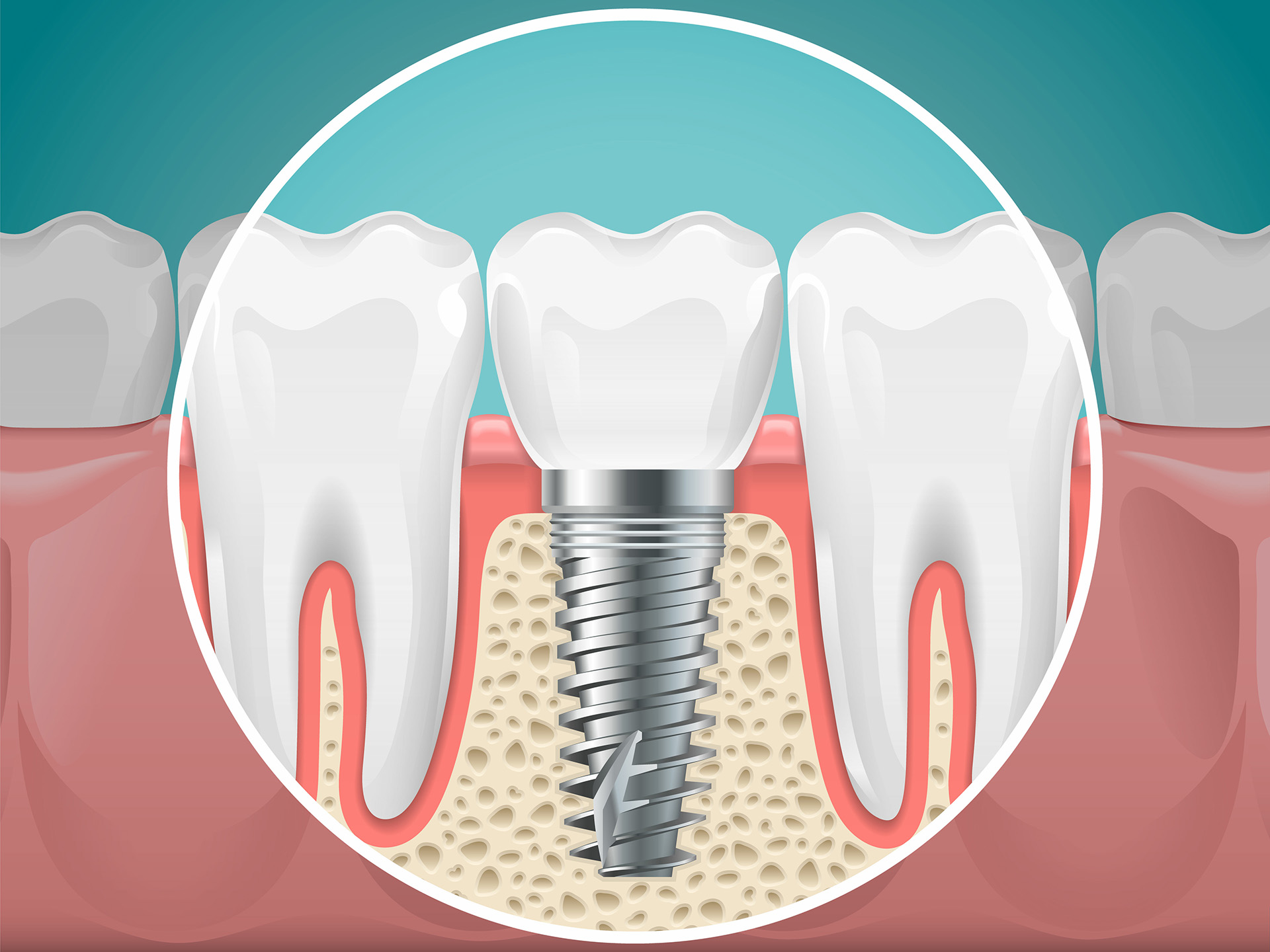
During the first few days to weeks after placement, the implant site is actively healing. Mild soreness and swelling are typical tooth implantation side effects and usually resolve quickly. Early complications with dental implants usually relate to infection control, bleeding, and establishing stable osseointegration (fusion between implant and bone). Being aware of early dental implants problems allows you to act promptly if symptoms worsen.
Post-operative infection arises when bacteria enter the surgical site before the tissue seals. Contributing factors include inadequate plaque control, smoking, unmanaged systemic conditions, and contamination during home care. Signs include increasing pain after initial improvement, swelling that worsens after day three, warmth, redness, bad taste, or discharge. Prompt evaluation allows for targeted antibiotics, irrigation, and local care to prevent progression.
Bleeding and swelling are common immediately after surgery. Some swelling and oozing are expected side effects of dental implants, but persistent bleeding beyond 24 hours or rapidly expanding swelling needs attention. Firm bite pressure on gauze, cold compresses, rest, and avoiding strenuous activity usually control mild issues. In some cases, medication adjustments or additional suturing may be required.
Poor osseointegration occurs when the implant does not fuse with bone. Risk factors include early overloading (chewing hard foods too soon), infection, insufficient primary stability, smoking, and systemic health problems. Patients may notice persistent discomfort or a lack of functional improvement, while clinicians may detect mobility at follow-up.
Wound dehiscence refers to reopening of the incision or soft tissue over the implant. Causes include suture tension, thin or fragile tissue, trauma, and poor oral hygiene. Management may involve protective dressings, refined home care, additional suturing, or soft tissue grafting to ensure coverage.
Early implant mobility is a warning sign. Any movement in the first weeks typically indicates inadequate stability or failed integration. Your clinician may reduce loading (remove temporary crowns), adjust your bite, or remove and replace the implant after healing, depending on timing and severity.
Late-Onset Implant Problems
After initial healing, implants function much like natural teeth. However, complications with dental implants can develop months or years later, often involving inflammation around the implant, mechanical issues, or gradual changes to bone and gum tissues. These dental implants problems are usually manageable when caught early.
Peri-implantitis and mucositis: Peri-implant mucositis is gum inflammation without bone loss. If unmanaged, it can progress to peri-implantitis, a chronic infection with bone loss around the implant. Risk factors include poor oral hygiene, smoking, a history of periodontal disease, and inconsistent professional maintenance. Symptoms may include bleeding on brushing, swelling, persistent bad taste, pus, or deepening pockets around the implant.
Mechanical loosening and fractures: Late mobility often stems from prosthetic component issues such as a loose or fractured abutment screw, cracked porcelain, chipped crowns, or worn attachments. You may notice clicking, movement while chewing, or a change in your bite. Early evaluation can prevent minor problems from becoming structural failures.
Bone loss and gum recession can develop gradually. Contributing factors include peri-implantitis, thin gum biotype, aggressive brushing, poorly contoured restorations, or biomechanical overload from grinding. Signs include longer-looking crowns, visible metal margins, or food impaction. Timely intervention, such as bite adjustments, soft tissue grafting, and improved plaque control, can preserve stability.
Nerve, Sinus, and Soft-Tissue Considerations
Nerve-related issues are more common in the lower jaw, where the inferior alveolar and mental nerves run. Symptoms include numbness, tingling, burning, or shooting pain in the lip, chin, or tongue. Prevention depends on precise imaging, meticulous planning, and guided surgery to maintain safe distances from nerve pathways. If symptoms occur, immediate evaluation is essential. Early steps, such as relieving pressure, removing an offending implant, or prescribing medications, can improve the chances of recovery.
Sinus complications may occur with upper jaw implants near the maxillary sinus. Signs include persistent one-sided nasal congestion, sinus pressure, a whistling sound or air passage through the implant site, drainage, or recurrent sinus infections. Prevention includes pre-surgical imaging, sinus lift or grafting when needed, and atraumatic surgical techniques. If problems develop, management may involve antibiotics, decongestants, closing any sinus communication, or referral to an ENT specialist for persistent cases.
Soft-tissue irritation around implants can present as redness, tenderness, or bleeding when brushing. Causes include plaque buildup, ill-contoured restorations, or rough material surfaces. Mucosal overgrowth can trap debris and fuel inflammation; contour refinement or adjusting the crown often resolves the issue. True titanium allergies are rare, but sensitivities to certain components or surface contaminants can occur. Evaluation may include allergy history and clinical testing, and in select cases, considering alternative materials such as zirconia.
Patient and Lifestyle Factors That Increase Risk
Identifying and managing patient-specific risks before and after surgery significantly improves outcomes. Daily habits, systemic health, bone quality, and bite forces all influence long-term success and the likelihood of common problems with dental implants.
- Oral hygiene: Inadequate plaque control triggers inflammation and peri-implant disease. Consistent home care, twice-daily brushing, cleaning between teeth with floss or interdental brushes, and using antimicrobial rinses as directed, reduces risk.
- Tobacco use: Smoking and other tobacco products impair blood flow, slow healing, and increase infection and bone loss. Quitting before surgery and staying tobacco-free afterward is one of the best ways to protect an implant.
- Systemic conditions: Diabetes, osteoporosis, and immune disorders can affect healing and infection control. Well-controlled diabetes has significantly better outcomes than uncontrolled disease. Some medications, including bisphosphonates or other antiresorptives, immunosuppressants, and certain chemotherapy agents, require careful planning with your physician. Always share a complete medical and medication history with your dental team.
- Bone quality and volume: Insufficient density or volume may require bone grafting or sinus augmentation to achieve stability and long-term support.
- Bruxism and clenching: Excessive forces from grinding can loosen screws, crack porcelain, or contribute to bone loss. Nightguards or occlusal splints, bite adjustments, and stress management help protect implants and natural teeth.
Signs, Symptoms, and When to Seek Help
Early recognition leads to simpler, more successful treatment. Pay attention to changes, even minor ones, and reach out promptly. Distinguish expected tooth implantation side effects like mild soreness from warning signs that indicate complications with dental implants.
Common warning signs
- Pain that persists or worsens after the first few days post-surgery
- Swelling that does not subside, redness, or warmth
- Bleeding on brushing, pus, or an unpleasant taste
- Mobility of the implant or crown, or clicking sensations
- Bite changes or a crown that feels loose
- Numbness or tingling of the lip, chin, or tongue
- Sinus pressure, congestion, or drainage after upper jaw surgery
Timing matters
- Early (first 2–6 weeks): Persistent pain, swelling, or early mobility often point to infection, inadequate stability, or wound problems.
- Late (months to years): Bleeding on brushing, bad taste, gum recession, or intermittent swelling suggest peri-implant mucositis or peri-implantitis. Sudden clicking or movement typically indicates a loose component or screw.
Contact your dental team right away if you experience ongoing pain beyond a few days, persistent swelling, fever, pus, numbness or tingling, bleeding that will not stop, sinus symptoms after upper jaw surgery, or any mobility in the implant or crown. Most dental implants problems are easier to resolve when addressed early, and your provider can triage by phone to determine if urgent in-office care is needed.
Treatment Options, Prevention, and Long-Term Care
Effective care starts with an accurate diagnosis. Your provider will evaluate the implant, surrounding gums, bone levels, and all prosthetic components to determine whether the issue is inflammatory, mechanical, or both. Treatment plans often combine non-surgical therapy with surgical or restorative solutions for best results. Clear guidance helps separate normal side effects of dental implants from treatable complications with dental implants.
Non-surgical treatments
- Targeted antibiotics when infection is present
- Antiseptic rinses such as chlorhexidine
- Professional debridement to remove plaque and calculus from implant surfaces
- Bite adjustments to reduce excessive forces
- For mechanical issues, tightening or replacing screws, re-cementing crowns, or repairing chipped porcelain
Surgical interventions
- Flap surgery to access and decontaminate implant surfaces
- Bone grafting to rebuild lost support
- Soft tissue grafts to improve gum thickness and coverage
- Regenerative procedures and implant surface detoxification techniques
- Removal of a failing implant when necessary, with planning for future replacement
Maintenance and prevention
Maintenance is the foundation of long-term success and the best defense against common problems with dental implants. Schedule regular professional cleanings and exams based on your risk level, often every three to four months for higher-risk patients. At home, brush twice daily with a soft-bristled brush, clean between teeth and around the implant crown with floss or interdental brushes, and use water flossers when helpful. For grinders, a custom nightguard can protect both implants and opposing teeth. Address minor chips or looseness promptly to prevent larger problems.
If an implant fails
Your dentist will determine whether the implant can be salvaged. Early problems may respond to thorough decontamination and bone or soft tissue grafting. If removal is required, options include immediate replacement in select cases, delayed replacement after healing, or alternative prosthetic solutions such as bridges or partial dentures. Prognosis depends on the cause of failure, bone quality, and how well risk factors are controlled. Many patients achieve successful replacement implants after corrective treatment and improved maintenance.
With careful planning, excellent home care, and consistent professional follow-up, most dental implants problems are preventable or manageable. If you notice any changes or have concerns about your implant, contact your dental team for a personalized assessment and care plan.
Quick Reference: Common Implant Problems and Solutions
| Issue | Typical Signs | Contributing Factors | Common Solutions |
| Early infection | Increasing pain, swelling, redness, discharge | Plaque accumulation, smoking, poor hygiene | Antibiotics, irrigation, local care, improved home care |
| Bleeding/swelling | Persistent bleeding, rapid swelling | Medication effects, activity, surgical factors | Gauze pressure, cold compresses, suture adjustment, review meds |
| Poor osseointegration | Early mobility, ongoing discomfort | Early loading, infection, low stability, smoking | Unload area, reassess, potential removal and replacement |
| Peri-implantitis | Bleeding on brushing, pus, bone loss | Poor hygiene, smoking, periodontal history | Debridement, antiseptics/antibiotics, surgery, grafting |
| Mechanical loosening | Clicking, bite change, crown mobility | Grinding, wear, component fatigue | Tighten/replace screws, re-cement/repair crown, adjust bite |
| Gum recession | Longer-looking crowns, visible margins | Thin tissue, aggressive brushing, overload | Soft tissue grafts, contour adjustments, hygiene coaching |
| Nerve symptoms | Numbness, tingling, burning pain | Implant proximity to nerve, swelling | Immediate evaluation, pressure relief, possible removal, meds |
| Sinus complications | Congestion, drainage, whistling sound | Sinus membrane breach, infection | Antibiotics, decongestants, closure, ENT referral if persistent |
Remember: while some side effects of dental implants such as transient soreness and swelling are expected, persistent or worsening symptoms point to complications with dental implants that deserve prompt care. Understanding the common problems with dental implants equips you to take preventive steps and seek timely treatment if needed.