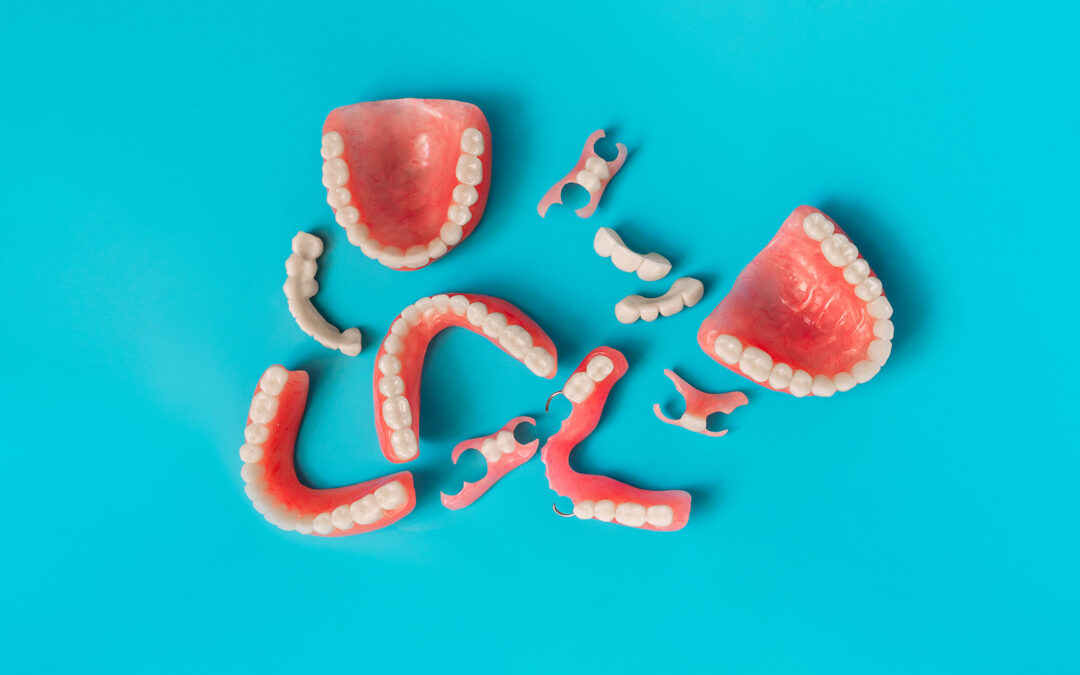
Preprosthetic care prepares your mouth for a stable, comfortable prosthesis, whether that is a denture, an implant-supported restoration, or another appliance. By reshaping bone and soft tissue, oral pre-prosthetic surgery improves fit, function, and long-term success. Below is what to know about pre-prosthetic surgery, what to expect, how to plan, and why timing matters.
When and Why Pre-Prosthetic Surgery Is Needed
Pre-prosthetic surgery is recommended when oral tissues need to be optimized before placing dentures, partials, or dental implants. The aim is to create a smooth, well-contoured foundation so your prosthesis seats properly, feels comfortable, and stays stable during chewing and speaking. Understanding what to know about pre-prosthetic surgery helps set expectations and supports better outcomes.
Common reasons include preparing for complete or partial dentures, improving the ridge for implant placement, and correcting areas that cause sore spots or instability under a prosthesis. After tooth loss, bone resorption can leave sharp edges, undercuts, or irregular ridges. Soft tissue concerns such as high frenum attachments, shallow vestibules, or mobile tissues can interfere with denture seal and stability or complicate hygiene around implants. In many cases, pre-prosthetic surgery procedures address both bone and soft tissue issues at the same visit.
Timing depends on overall health, healing capacity, and oral hygiene. Medical factors like diabetes control, blood thinners, osteoporosis medications, and tobacco use can influence scheduling and approach. Your clinician will also consider recent extractions, any infections, and the timeline for delivering your prosthesis so healing is complete before final impressions. This planning phase is a key part of oral pre-prosthetic surgery.
Types of Pre-Prosthetic Procedures and What to Expect
Several routine pre-prosthetic surgery procedures may be used alone or in combination to create the best foundation:
- Alveoloplasty: Smooths and reshapes the jawbone after extractions or to refine irregular ridges.
- Ridge augmentation: Adds bone or bone substitutes where volume is insufficient for implant placement or to improve denture support.
- Frenectomy: Releases a tight lip or tongue frenum that can dislodge a denture or cause tissue pull.
- Vestibuloplasty: Deepens the space between the lips or cheeks and gums to enhance denture retention and hygiene access.
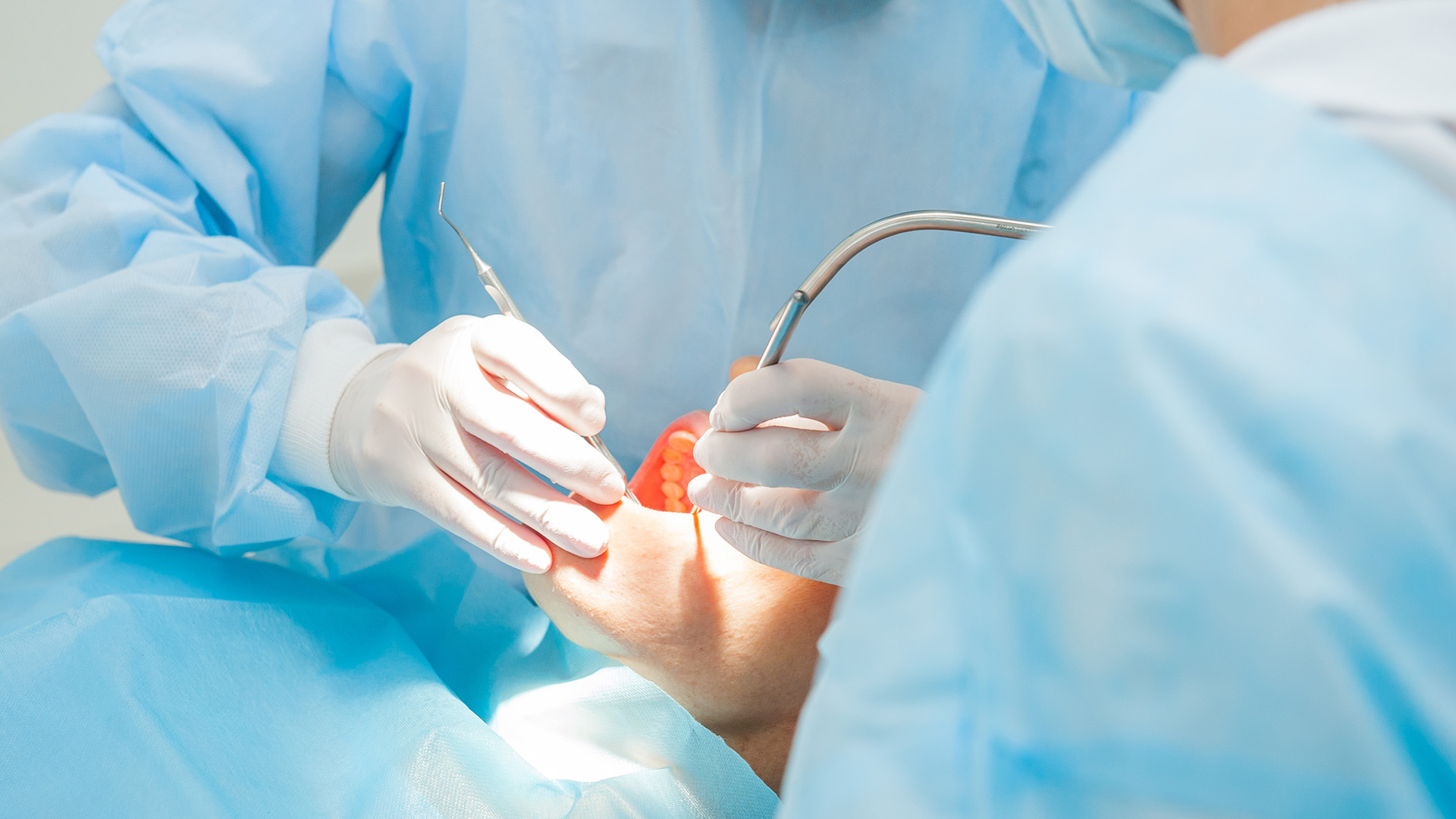
Most procedures are performed with local anesthesia; oral or IV sedation may be offered for comfort depending on complexity and preference. During preprosthetic surgery, the provider carefully incises and reflects the tissue, contours bone as needed, adjusts soft tissue attachments, and places sutures for optimal healing.
Benefits include improved fit, fewer sore spots, better retention, and more predictable outcomes for implants or dentures. Risks are generally low but can include temporary swelling, bruising, discomfort, bleeding, infection, changes in sensation, or the need for additional procedures if healing or bone volume is limited. As with all pre-prosthetic surgery procedures, individualized assessment guides the safest, most effective plan.
Recovery is typically straightforward. Many patients resume normal activities within 24 to 72 hours, with soft tissue healing in about 2 to 3 weeks. Bone grafts and ridge augmentation may require several months to mature before implant placement or final denture fabrication. Post-operative care usually includes cold compresses for the first 24 hours, prescribed or over-the-counter pain control, saltwater or antimicrobial rinses as directed, a soft diet, and avoiding straws, smoking, and vigorous activity. Keep the area clean with gentle brushing around the surgical site, follow suture care instructions, and attend all follow-up visits after oral pre-prosthetic surgery.
Planning, Outcomes, and Working With Your Dental Team
Successful care starts with a detailed evaluation. Your team will complete a clinical exam, review your medical history, and obtain imaging such as panoramic X-rays or CBCT scans to assess bone height, width, density, sinus position, nerve location, and soft tissue anatomy. Digital models and bite records help plan the surgical approach and coordinate with your future prosthesis, ensuring that preprosthetic steps align with restorative goals.
By correcting ridge irregularities and soft tissue issues, pre-prosthetic surgery improves denture fit and stability, enhances comfort, reduces sore spots, and supports clearer speech and stronger chewing efficiency. For implants, proper ridge preparation can increase primary stability, reduce complications, and improve long-term implant survival and hygiene access. These are core outcomes to consider when reviewing what to know about pre-prosthetic surgery.
Consider asking your oral surgeon or prosthodontist:
- Which pre-prosthetic surgery procedures do I need and why?
- What are my anesthesia or sedation options?
- How long is healing before impressions or implant placement?
- What risks or limitations apply in my case?
- How will this affect the look, feel, and maintenance of my dentures or implants?
- Are there non-surgical alternatives and how do they compare?
If you are considering dentures or implants and want to optimize your outcome, schedule a consultation with a qualified provider to create a tailored plan for oral pre-prosthetic surgery and guide you through each step of preprosthetic care.