Orthognathic (corrective jaw) surgery repositions the jaws to improve bite function, facial balance, and airway health. Understanding orthognathic surgery expectations before, during, and after surgery helps you prepare confidently and recover smoothly. This guide covers candidacy, planning and imaging, the hospital experience, recovery milestones, and long-term outcomes so you can make informed decisions with your care team.
Understanding Orthognathic Surgery
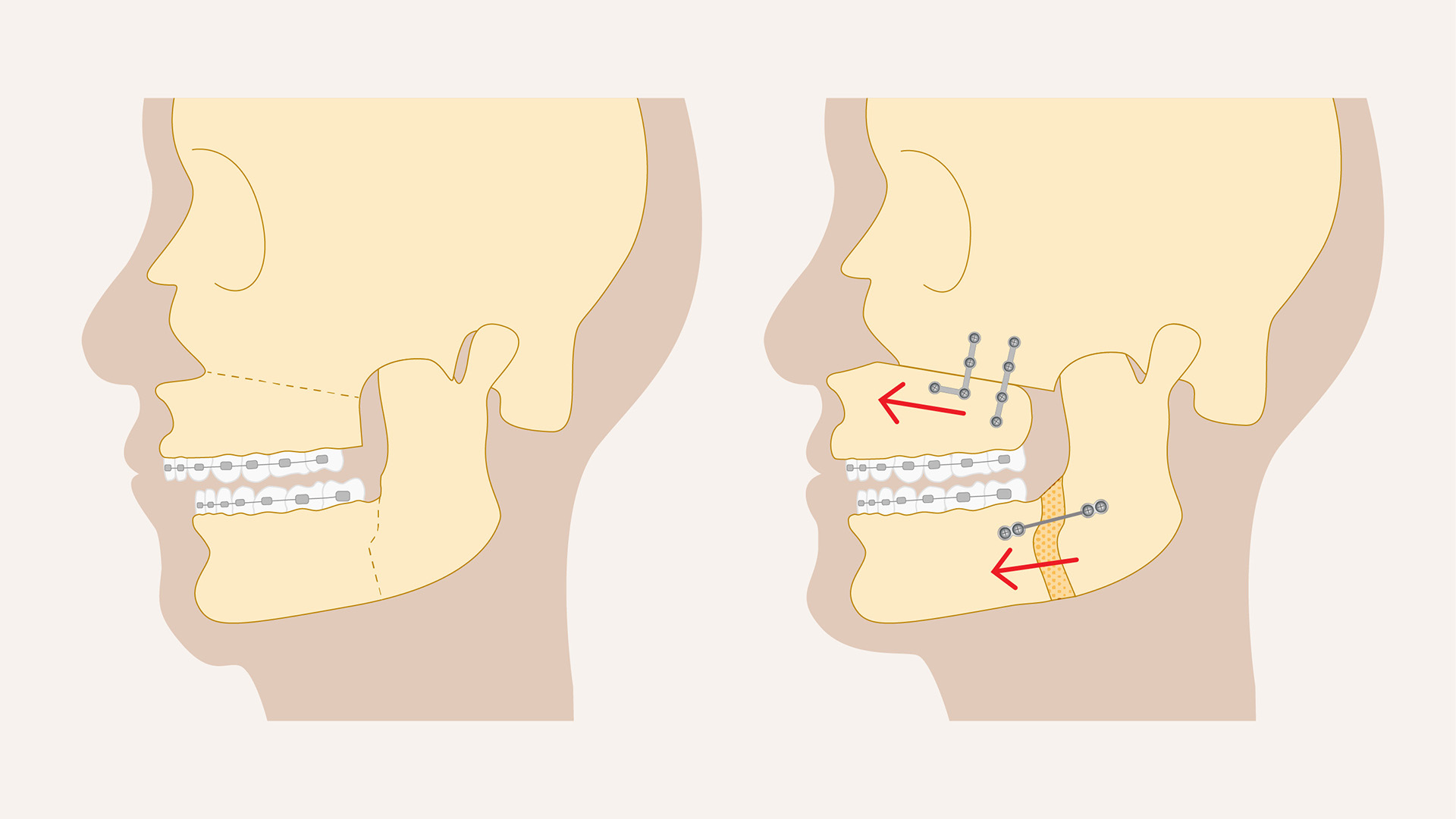
Orthognathic surgery is performed by an oral and maxillofacial surgeon to reposition the upper jaw (maxilla), lower jaw (mandible), or both. It is recommended when jaw size or position cannot be corrected with braces alone. Good candidates are teens and adults with near-complete or completed growth who have functional concerns such as difficulty chewing, speaking, or breathing, or noticeable facial imbalance.
Conditions commonly treated include underbite, overbite, open bite, crossbite, facial asymmetry, a recessed chin or midface, and obstructive sleep apnea related to jaw position. In some cases, it may help address bite issues associated with TMJ disorders when coordinated with appropriate therapies.
The goals are to create a stable, healthy bite, enhance facial harmony, and improve breathing. Benefits often include easier chewing and speaking, improved smile aesthetics, better airway function (especially during sleep), reduced tooth wear, and long-term oral health stability when combined with orthodontic treatment.
Preparing for Surgery: Preoperative Expectations
Most patients complete a period of pre-surgical orthodontics to position the teeth optimally on each jaw. Your orthodontist and surgeon will coordinate the sequence of tooth movement and surgical timing. This collaboration helps ensure a stable final bite and supports your aesthetic goals while aligning with realistic orthognathic surgery expectations.
Your evaluation may include a physical exam, dental scans or impressions, X-rays, CBCT imaging, photographs, and digital models. Many teams use virtual surgical planning with 3D-printed guides or splints to enhance precision. You will review the plan, including risks, benefits, and alternatives, and provide informed consent after your questions are answered.
Plan ahead at home and work. Most people need one to two weeks away from school or desk work, with a longer timeline for physically demanding jobs. Arrange help with transportation, meals, and errands for the first several days. Prepare recovery supplies such as cold packs, a blender, protein shakes, soft foods, lip balm, a humidifier, prescribed medications, a water flosser, and wax or silicone for braces. Create a comfortable resting area with extra pillows to keep your head elevated. Confirm insurance authorization and complete any necessary time-off paperwork.
The Day of Surgery and Hospital Experience
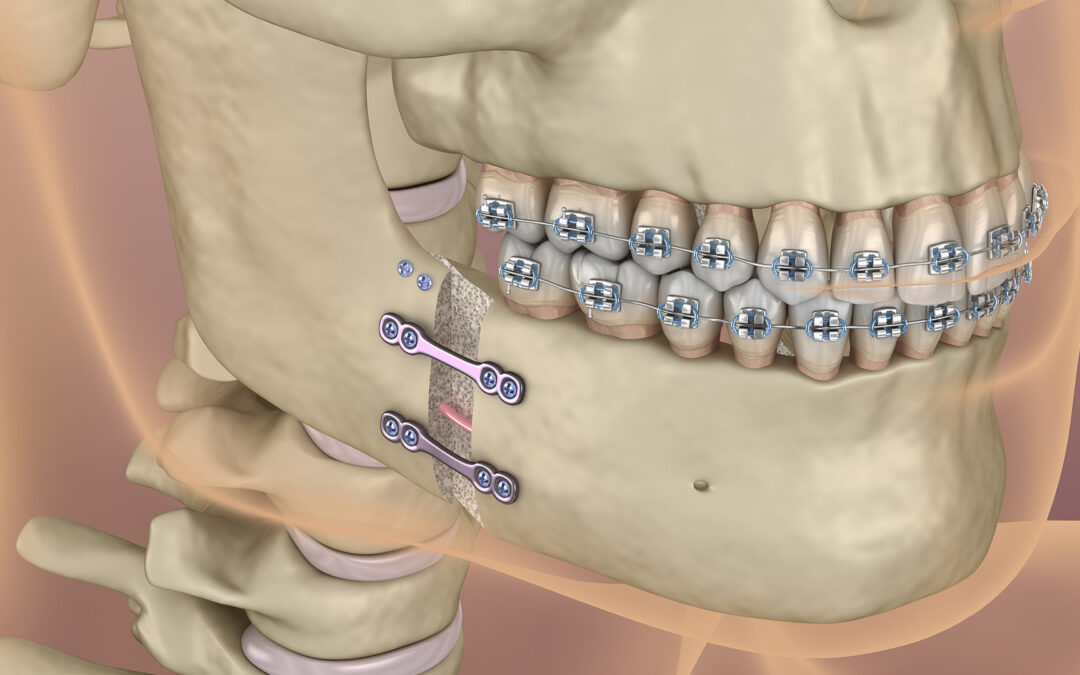
On the day of surgery, you will check in, review the treatment plan, and meet the anesthesia team. Most procedures are performed under general anesthesia. After you are asleep, the surgeon makes incisions inside the mouth, repositions the jawbones, and secures them with small plates and screws. Incisions are closed with dissolvable sutures, and elastics may be placed to guide your new bite.
Procedure time varies by complexity. One-jaw surgery often takes two to four hours, while double jaw orthognathic surgery may take four to six hours. Afterward, you will recover in a monitored area where your breathing, heart rate, and comfort are observed closely. Some patients go home the same day; others stay one night for observation.
Upon waking, expect facial swelling, a sense of fullness or congestion, and temporary numbness in the lips or cheeks. Your bite will feel different. Pain is typically manageable with prescribed medications and cold therapy. Nurses will help you start fluids and review how to use elastics, oral rinses, and cold compresses. The first 24 hours focus on rest, hydration, cold packs, head elevation, and gentle oral care with prescribed rinses.
Recovery Timeline and Common Postoperative Issues
Recovery is a gradual process. While everyone heals at a different pace, these milestones are common:
- First week: Swelling and bruising usually peak around days two to three, then begin to subside. Stick to liquids and very soft foods. Keep your head elevated and use cold packs as directed. Most people can speak softly, move around the house, and do light activities.
- Weeks 2–6: Transition from liquids to soft foods with your surgeon’s approval. Swelling gradually decreases and energy improves. You will attend orthodontic and surgical follow-ups to adjust elastics and monitor healing.
- Months 3–6: Most swelling resolves, strength returns, and normal chewing gradually resumes as cleared by your surgeon. This phase is particularly meaningful for those who underwent double jaw orthognathic surgery, as muscular adaptation continues.
- One year: Final refinement of your bite and smile with orthodontic finishing and retainer wear. Results continue to mature as tissues settle.
Common postoperative symptoms include swelling, bruising, nasal congestion (especially after upper jaw surgery), mild bleeding from the nose or mouth, and temporary numbness or tingling in the lips or cheeks. Nerve sensation often improves over weeks to months. Pain is typically moderate and well controlled with medications and consistent icing and elevation.
Know the warning signs that require prompt attention: a fever over 101.5°F that does not respond to medication, increasing facial pain or swelling after initial improvement, foul-tasting drainage, difficulty breathing, inability to keep fluids down, uncontrolled bleeding, or irritation over hardware. Contact your surgeon immediately if any of these occur.
Your team will schedule regular orthodontic visits to guide your bite into its final position. Plan a gradual return to normal eating: clear liquids, full liquids, purees, then soft foods such as eggs, pasta, fish, and cooked vegetables before moving back to regular textures. Avoid hard, crunchy, or chewy foods until you are cleared. Light walking is encouraged early. More strenuous exercise and contact sports should wait until your surgeon confirms bone healing, typically six to eight weeks or longer depending on the procedure.
Setting Realistic Orthognathic Surgery Expectations
Clear communication with your care team helps align orthognathic surgery expectations with your goals. Discuss functional priorities like chewing and airway, as well as aesthetic preferences. Ask about the anticipated amount of swelling, how long elastics or splints will be used, and expected timelines for returning to work, school, and exercise. Patients undergoing double jaw orthognathic surgery may experience slightly longer swelling and dietary restrictions, but many also report more comprehensive improvements in facial balance and bite stability.
It is normal to have questions about sensation changes, including numbness or tingling, especially in the lower lip and chin. Most changes improve over time, though some residual numbness can persist. Your surgeon will explain risks, how nerves are protected, and what you can do to support recovery.
Long-Term Outcomes and Patient Expectations
Final results unfold as swelling resolves and orthodontic finishing is completed. Most patients achieve a more stable bite, improved chewing efficiency, enhanced facial balance, and, when indicated, better sleep and breathing. Scars are hidden inside the mouth. The small plates and screws usually remain in place permanently unless there is a specific reason to remove them.
Maintaining oral health supports long-term stability. Brush gently with a soft toothbrush and use a water flosser around braces and surgical areas once approved. Wear elastics and retainers exactly as prescribed. Keep all follow-up appointments so your team can monitor healing, adjust your bite, and address concerns early. Contact your surgeon promptly if you notice new or worsening pain, bite changes, signs of infection, or if elastics or splints come loose.
Emotional adjustment is part of the process. Swelling can temporarily change your appearance, and numbness can feel unfamiliar. Many patients find that taking progress photos, following care instructions, and leaning on supportive friends and family helps. If you feel anxious or discouraged, ask your team about support groups or counseling resources.
Tips for a smooth recovery:
- Stay hydrated and well nourished with protein-rich soft foods.
- Sleep with your head elevated for the first couple of weeks.
- Use cold compresses initially, then warm compresses as directed.
- Avoid tobacco and vaping to support healing.
- Follow medication schedules and activity guidelines closely.
With careful planning, consistent follow-up, and teamwork between your orthodontist and surgeon, most patients experience long-lasting functional and aesthetic improvements from orthognathic surgery. Understanding orthognathic surgery expectations ahead of time, particularly for double jaw orthognathic surgery, can make the journey smoother and the results more predictable.