
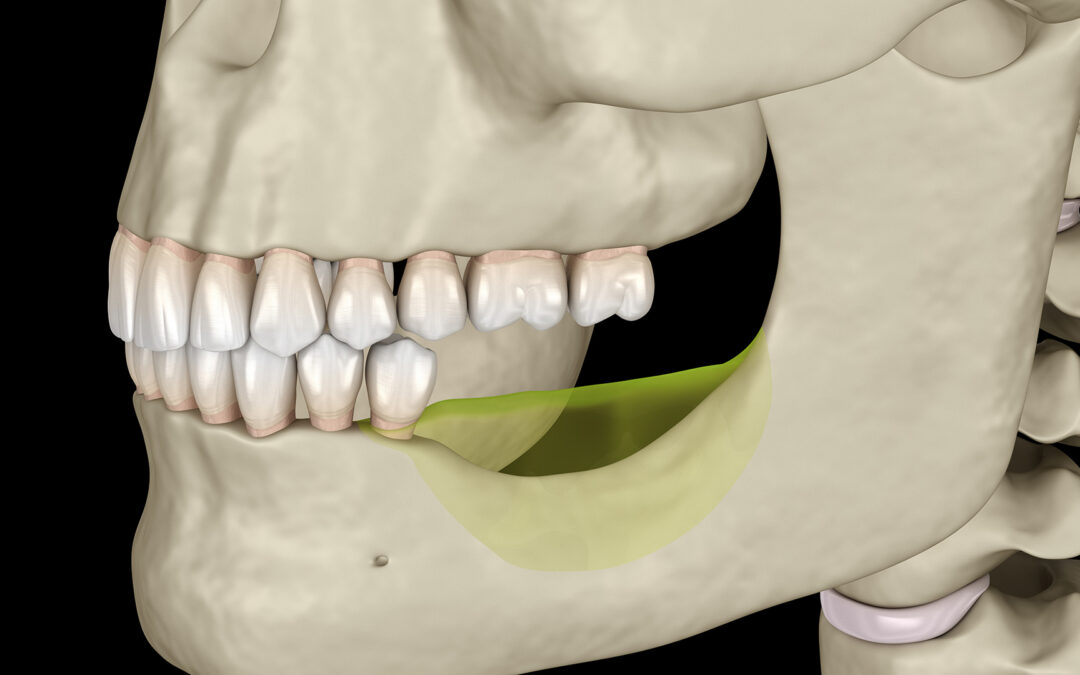
Jaw bone loss occurs when the bone that supports your teeth thins and recedes over time. It often follows tooth loss, periodontal disease, or long-standing bite and denture issues. Without treatment, bone deterioration can change your facial profile, affect chewing and speech, and make future dental care more complex. Knowing the causes, early warning signs, and proven treatment options helps you protect your oral health and preserve your smile for the long term. Here you will learn what to know about jaw bone loss and deterioration, including the key causes, symptoms, diagnostics, and solutions so you can make informed decisions.
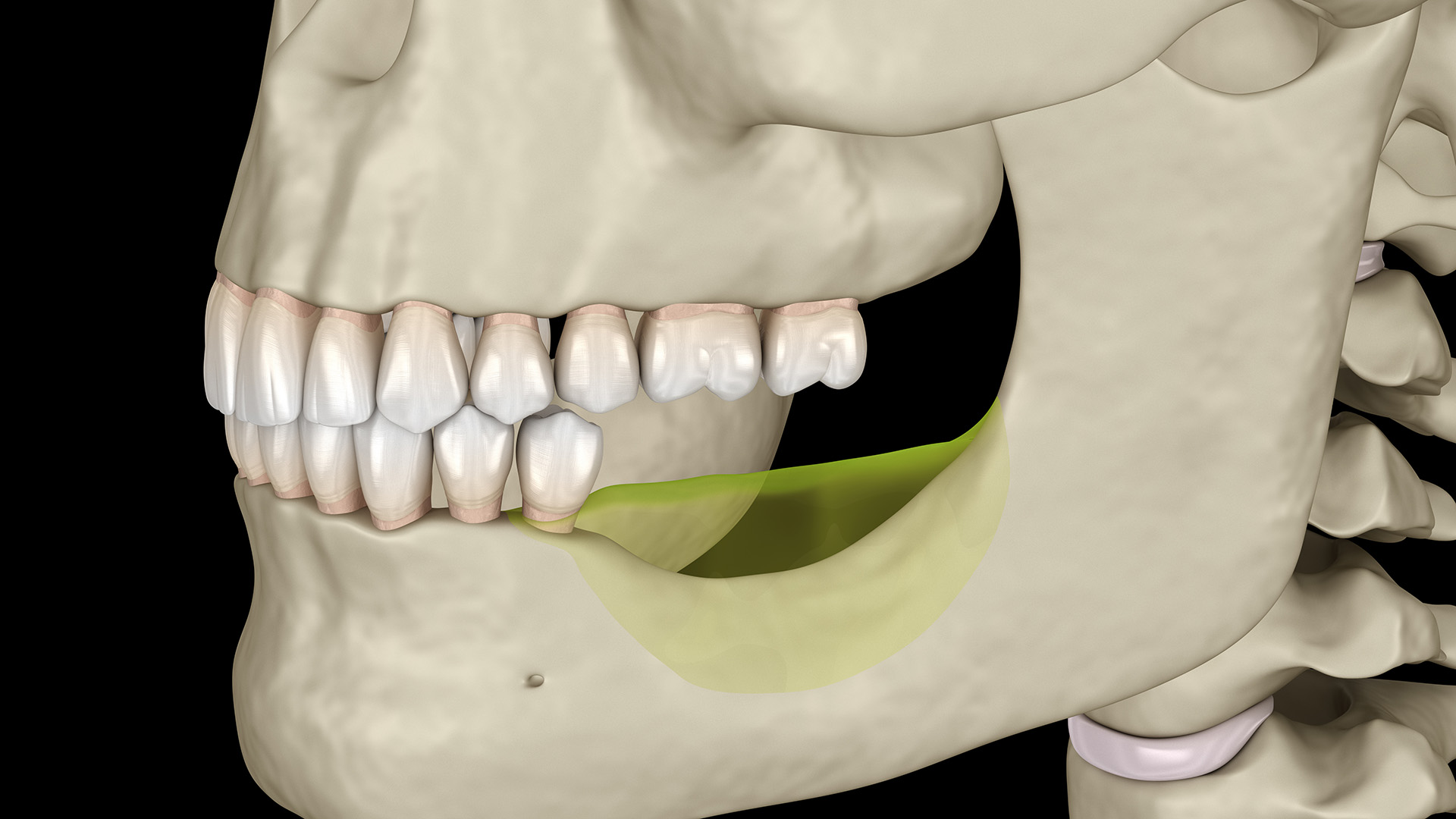
Main Causes of Jaw Bone Loss
Tooth loss and how extractions lead to bone resorption
When a tooth is removed and not replaced, the surrounding jaw bone no longer receives the stimulation produced by chewing forces. Without this stimulation, the body resorbs the bone in that area. The most rapid changes happen during the first 6 to 12 months after extraction, but gradual shrinkage can continue for years. Performing ridge preservation at the time of extraction and replacing teeth promptly help maintain bone volume and contour.
Periodontal (gum) disease and inflammation-driven bone destruction
Periodontal disease is a chronic infection of the gums and supporting structures. Bacteria and inflammatory byproducts break down the fibers and bone around tooth roots. As periodontal pockets deepen, bone levels drop and teeth can loosen. Without professional treatment, this process accelerates, contributing to tooth loss and ongoing jaw bone deterioration.
Effects of ill-fitting dentures, traditional bridgework, and bite problems
Poorly fitting dentures can place uneven pressure on the jaw ridge, speeding resorption and creating sore spots. Conventional bridgework restores function above the gumline but does not stimulate the bone where a tooth is missing. Long-term tooth wear, clenching, or a misaligned bite can overload certain teeth and their supporting bone, leading to localized bone loss. Regular fit checks, bite adjustments, and considering implant-supported options can help protect bone health.
Signs, Diagnosis, and Health Consequences
Symptoms to watch for
- Changes in facial appearance, such as a shorter lower face, sunken cheeks, or deeper lines around the mouth
- Loose or shifting teeth and new spaces between teeth
- Bite changes that alter how your teeth come together
- Difficulty chewing firmer foods or avoiding certain textures
- Removable dentures that feel unstable, need more adhesive, or create sore spots
- Increased tooth sensitivity and receding gums
How jaw bone loss is diagnosed
A comprehensive exam includes evaluating your gums, tooth mobility, and bite. Dental X-rays measure bone height around teeth, while 3D CBCT scans show bone width, density, and anatomy, especially helpful when planning bone grafts or dental implants. Your clinician may record periodontal probing depths and chart gum recession to track bone support over time.
Health consequences of untreated bone loss
Without intervention, bone loss can lead to increasing tooth mobility and additional tooth loss. Chewing efficiency declines, which may affect nutrition if you avoid certain foods. Speech can change, particularly with multiple missing teeth or unstable dentures. Over time, facial support diminishes, and the lower third of the face may appear collapsed. For individuals with conditions like diabetes, active periodontal disease and bone loss can make overall health management more difficult. it is important to recognize that early diagnosis reduces these risks and preserves treatment choices.
Prevention, Treatment Options, and Maintenance
Proactive prevention
- Brush twice daily with fluoride toothpaste and clean between teeth with floss or interdental brushes
- Schedule periodontal evaluations and professional cleanings as recommended
- Replace missing teeth promptly to preserve bone stimulation
- Quit smoking to improve gum health and enhance healing after procedures
- Address clenching, grinding, or bite issues with orthodontic guidance or a custom nightguard
Evidence-based treatment paths
Periodontal therapy targets infection and inflammation. Depending on your needs, treatment may include scaling and root planing, locally delivered antimicrobials, and periodontal surgery to regenerate supporting tissues. After extractions, ridge preservation stabilizes the socket with bone graft material and a membrane to reduce shrinkage. For areas with greater loss, bone grafting and guided bone regeneration can rebuild volume and create a foundation for replacement teeth. Dental implants help protect bone by transferring chewing forces into the jaw, which stimulates and maintains bone. Implant-supported crowns, bridges, or dentures often provide more stability and comfort than removable options alone.
Long-term maintenance and monitoring
- Follow a customized recall schedule for periodontal maintenance and professional cleanings
- Keep up meticulous at-home plaque control; use antimicrobial rinses if advised
- Obtain periodic X-rays or CBCT scans, when indicated, to track bone levels and implant integration
- Schedule routine fit checks and relines for dentures or implant-supported prosthetics to prevent pressure points
When to seek care
If you notice loose teeth, sore or bleeding gums, receding gums, a shifting bite, denture instability, or changes in facial appearance, schedule an evaluation promptly. Early care can slow or reverse some effects of bone loss and expand your treatment options. Timely consultation ensures you understand your risks and the most effective preventive or restorative steps.
Jaw Bone Loss FAQs
| How quickly does bone loss occur after a tooth is removed? | The most significant shrinkage happens within 6 to 12 months after extraction, but gradual resorption can continue for years without replacement or ridge preservation. |
| Can bone grow back? | Some regeneration is possible with periodontal surgery in specific cases, and bone grafting can rebuild volume for implants. Consistent stimulation from implants also helps maintain bone long term. |
| Are dental implants always required? | Not always. However, implants are the only tooth replacement that directly stimulates the underlying bone, helping to preserve it. Your dentist will recommend the best option based on your anatomy and goals. |
| Do dentures cause bone loss? | Traditional dentures do not stimulate bone and can accelerate resorption if they fit poorly. Implant-supported dentures improve stability and help protect the ridge by distributing forces more evenly. |
| What role does gum disease play? | Periodontal disease is a major driver of bone loss around teeth. Managing infection with professional therapy and home care is essential to preserve supporting bone. |
| Is CBCT necessary for everyone? | Not in every case. CBCT is especially useful when planning implants or grafts, or when detailed three-dimensional views of bone and anatomy are needed for safe, accurate treatment. |
Partner With a Team Focused on Your Bone Health
Timely diagnosis and thoughtful planning make a real difference in preserving jaw bone. Whether you are managing gum disease, facing extractions, or exploring implants, a tailored approach helps maintain facial support and long-term function. If you are noticing changes or want to prevent problems before they start, schedule a consultation. We will evaluate your bone health, discuss your options, and create a plan to protect your smile for years to come. Working with a clinician who prioritizes prevention, regenerative techniques, and stable tooth replacement can help safeguard your oral health now and in the future.