
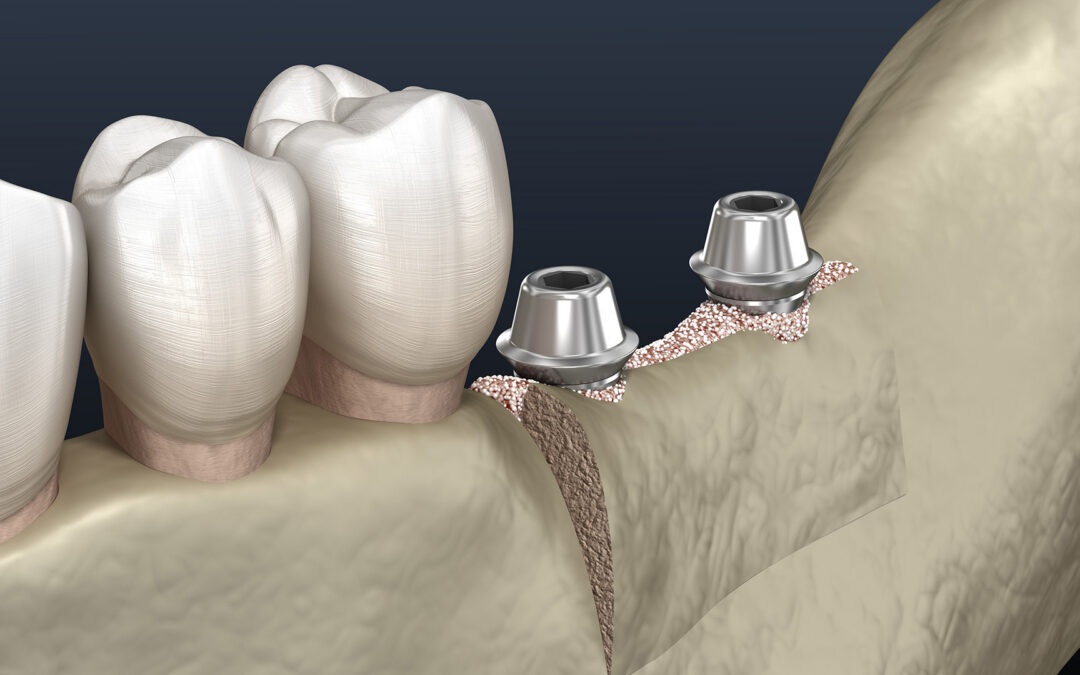
Ridge augmentation is a specialized procedure that rebuilds jawbone where it has thinned or collapsed after tooth loss, extraction, or trauma. By restoring the natural shape and volume of the alveolar ridge, your doctor can create a stable foundation for dental implants, improve denture fit, and support facial contours. This guide explains what ridge augmentation is, how ridge augmentation works step by step, and how to care for your results for the best possible outcome.
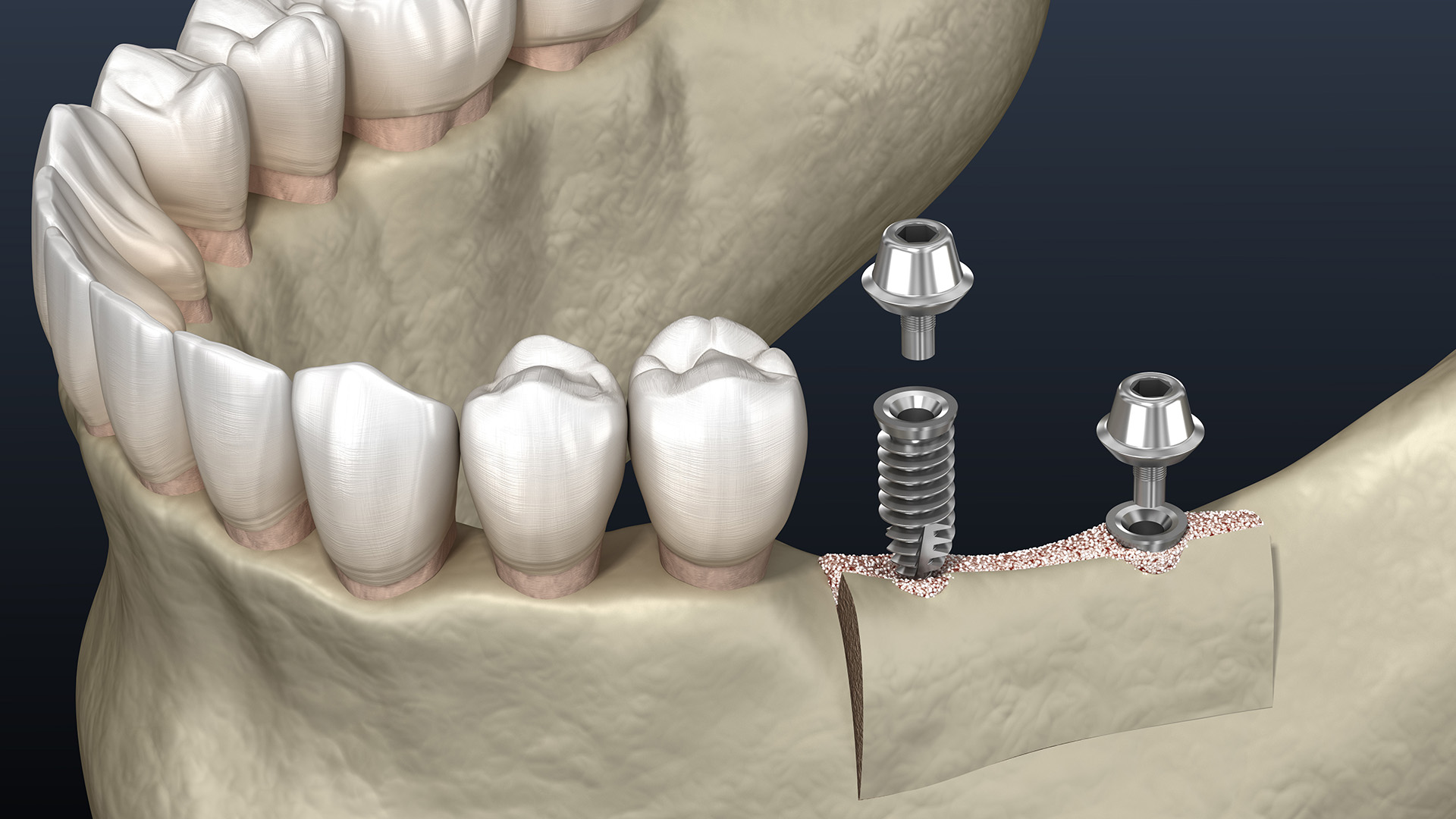
What Is Ridge Augmentation and Why It’s Done
Ridge augmentation is a focused type of bone grafting that rebuilds the height and width of the alveolar ridge, the bone that supports the teeth. While bone grafts can be placed in various parts of the mouth or jaw, ridge augmentation targets the specific area where bone has been lost, often following tooth extraction or long-standing tooth loss.
Patients may benefit from ridge augmentation when bone loss results from tooth loss and resorption, trauma or injury to the jaw, infection or periodontal disease, or congenital conditions that lead to underdeveloped ridges. Without adequate bone volume, implants may lack stability, dentures can loosen or irritate soft tissues, and facial support can diminish, creating a sunken appearance around the lips and cheeks.
Rebuilding the ridge restores proper contours and allows implants to be positioned in the ideal location and angle. It also enhances the stability of bridges and dentures and can improve chewing function, speech, and overall comfort.
The Ridge Augmentation Procedure: Step by Step
Planning begins with a comprehensive exam, digital imaging such as CBCT scans, and impressions or scans of your bite. Your doctor will evaluate bone volume, map vital structures like nerves and sinuses, and design a personalized treatment timeline. If dental implants are planned, the team will coordinate timing, placing the implant after healing in most cases, or in select situations, at the same time as the graft.
During surgery, the site is numbed with local anesthesia, with sedation available when appropriate. The doctor gently opens the gum to access the ridge, removes any fibrous tissue, and prepares the area to receive the graft. Graft materials may include autograft (your own bone), allograft (donor bone), xenograft (animal-derived), or synthetic options. A thin barrier membrane is often placed over the graft to protect it and guide new bone growth, and the gums are repositioned and sutured for secure closure.
Recovery usually involves mild swelling and tenderness for a few days. Most patients return to normal daily activities within two to three days, while the graft matures over several months. Early follow-up visits occur within one to two weeks to monitor healing and remove sutures if needed. Additional appointments and imaging help confirm when the ridge is ready for implant placement or prosthetic work, commonly around three to six months depending on the case and graft type.
Outcomes, Risks, and How to Care for Your Results
Successful ridge augmentation builds strong, healthy bone that improves the stability and longevity of dental implants, enhances denture fit, and restores natural facial contours. By recreating proper ridge dimensions, your clinician can place implants in an ideal position, supporting better bite alignment, aesthetics, and long-term function.
As with any surgery, potential risks include infection, bleeding, graft exposure or failure, delayed healing, and in rare cases, nerve irritation or sinus involvement depending on the site. Your doctor reduces these risks through sterile technique, careful planning, and appropriate use of membranes, fixation, and medications. If complications occur, they are managed promptly with targeted care such as antibiotics, graft revision, or protective coverings to support healing.
Home care is essential for a smooth recovery. Follow your post-operative instructions closely:
- Stick to a soft diet initially and avoid chewing on the surgical side.
- Keep your head elevated for the first 48 hours to minimize swelling.
- Use prescribed medications as directed and apply cold compresses during the first day to reduce discomfort.
- Keep the site clean by gently rinsing with a prescribed mouthwash or a saltwater solution; avoid brushing the surgical area until your doctor advises.
- Do not smoke or vape, as nicotine significantly impairs bone healing.
- Focus on balanced nutrition rich in protein, vitamins C and D, calcium, and adequate hydration to support new bone formation.
- Resume light exercise after several days, but delay high-intensity activities until cleared at your follow-up visit.
With attentive care and regular check-ins, most patients experience predictable healing and are well positioned for successful implant placement or improved denture comfort. If you have questions about your specific situation, discuss your imaging, graft materials, and timeline with your clinician so you know what to expect at every stage.