
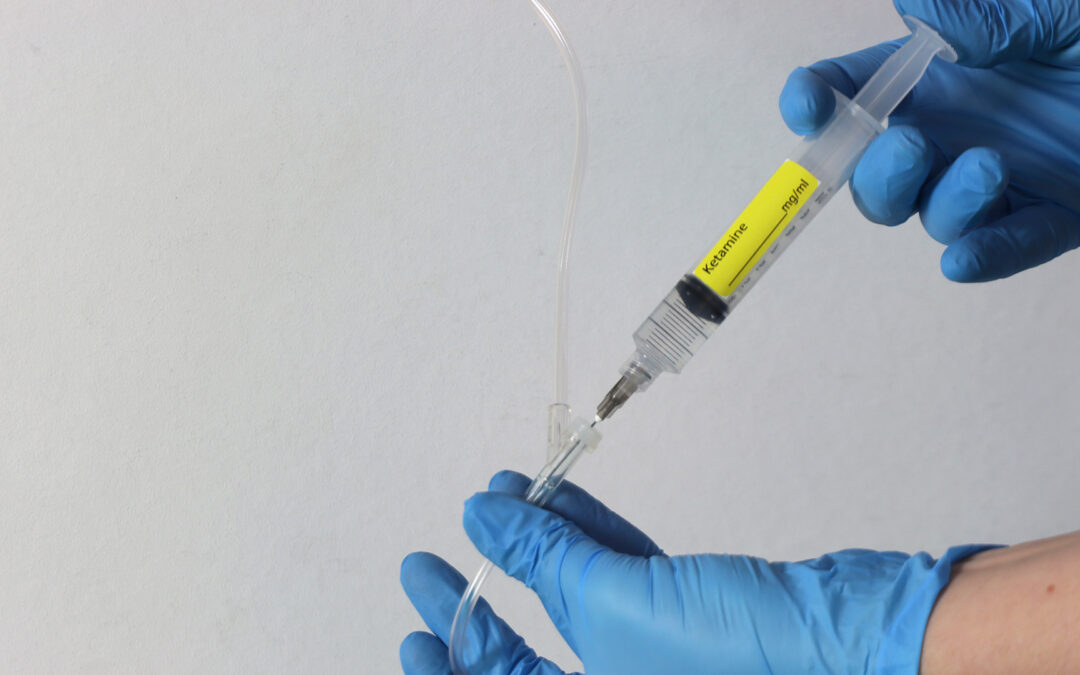
Intravenous (IV) anesthesia sedation is a safe, effective way to help you stay relaxed and comfortable during medical or dental procedures. Delivered through a small catheter placed in a vein, IV sedation lets your provider fine-tune the level of relaxation quickly and precisely. It reduces anxiety, minimizes discomfort, and can make treatment more efficient. This guide explains what IV sedation is, how intravenous anesthesia sedation works, what to expect at each stage, and how to determine whether it is right for you.

What Is IV Anesthesia Sedation?
IV anesthesia sedation involves delivering sedative and pain-control medications directly into your bloodstream. The goal is to lower anxiety, enhance comfort, and create a calm state so your procedure can be completed safely and smoothly. Unlike general anesthesia, most IV sedation options allow you to breathe on your own and respond to verbal cues while remaining comfortable.
Levels of IV sedation include:
- Minimal sedation: You feel relaxed but remain awake and responsive.
- Moderate (conscious) sedation: You are drowsy and may have slurred speech, but you respond to voice and touch; many patients remember little or nothing afterward.
- Deep sedation: You sleep through much of the procedure and may respond only to repeated or stronger stimulation. Breathing is usually spontaneous, though extra support may be needed.
Common IV medications include benzodiazepines (such as midazolam) for relaxation and reduced memory formation, opioids (such as fentanyl) for pain relief, and agents like propofol for deeper sedation with rapid onset and offset. Compared to oral medications, IV drugs act faster and can be precisely titrated. Compared to nitrous oxide, IV sedation often provides deeper, more reliable relaxation and amnesia. Your provider will select medications and doses based on your health, the procedure, and your preferences.
How IV Sedation Works in the Body
Once administered, IV medications circulate quickly and act on the central nervous system. By enhancing calming neurotransmitters and reducing pain signals, they lower anxiety, diminish awareness, and make discomfort less noticeable. Because the IV line stays in place, your provider can adjust the dose in real time to reach and maintain the desired level of sedation.
Typical effects include relaxation of the brain’s arousal centers, decreased pain perception, and a steadier, slower breathing pattern. Heart rate and blood pressure may gently decrease. These changes are monitored continuously to support safety and comfort.
Onset usually occurs within seconds to a few minutes. Duration depends on the specific drugs, your metabolism, and the length of the procedure. Recovery begins shortly after the medications are reduced or stopped. Many patients feel alert within 30 to 90 minutes, though mild drowsiness may persist for the rest of the day. A responsible adult must drive you home and stay with you until you are fully recovered.
What to Expect Before, During, and After IV Sedation
Before: You will complete a pre-procedure evaluation covering your medical history, medications, allergies, and prior anesthesia experiences. Inform your provider about sleep apnea, heart or lung conditions, or pregnancy. You will receive fasting guidelines, often no solid food for 6 to 8 hours and clear liquids up to 2 hours before your appointment, unless instructed otherwise. Continue routine medications as advised; certain drugs like blood thinners, diabetes medications, or sedatives may need special instructions. You will review and sign informed consent outlining benefits, risks, and alternatives and how intravenous anesthesia sedation works for your specific treatment.
During: An IV line will be placed, and monitors will track your oxygen level, heart rate, blood pressure, and breathing. Supplemental oxygen may be provided through a small nasal cannula. Most patients feel warm, calm, and drowsy. You might hear voices but are unlikely to remember details. Local anesthesia is often used at the treatment site for targeted pain control while IV sedation keeps you relaxed. Your provider will adjust medications as needed to maintain steady comfort and safety.
After: You will rest in a recovery area while your vital signs and alertness are observed. Temporary effects can include grogginess, dry mouth, mild nausea, or chills. You will receive clear instructions about when to start fluids and food, how to manage discomfort, and which medications to take. Avoid driving, alcohol, vaping, operating machinery, and important decisions for at least 24 hours. Plan a quiet day, and call your provider if you have persistent nausea, severe pain not relieved by medication, fever, or redness, swelling, or drainage at the IV site.
Safety, Risks, and Who Is a Good Candidate
When administered by trained professionals with appropriate monitoring, IV sedation has an excellent safety record. Common side effects are usually mild and short-lived, such as drowsiness, nausea, or minor bruising at the IV site. Less common risks include low blood pressure, slowed breathing, allergic reactions, or, rarely, airway complications. Continuous monitoring and experienced providers help reduce these risks, and emergency equipment is readily available.
Candidate evaluation considers your medical history, medications, age, and overall risk. Extra caution is taken for individuals with obstructive sleep apnea, significant heart or lung disease, severe obesity, or pregnancy. Children, older adults, and patients using sedatives, antidepressants, or opioids may require tailored dosing. Share all prescriptions, supplements, and recreational substances, including cannabis and nicotine, as they can influence sedation.