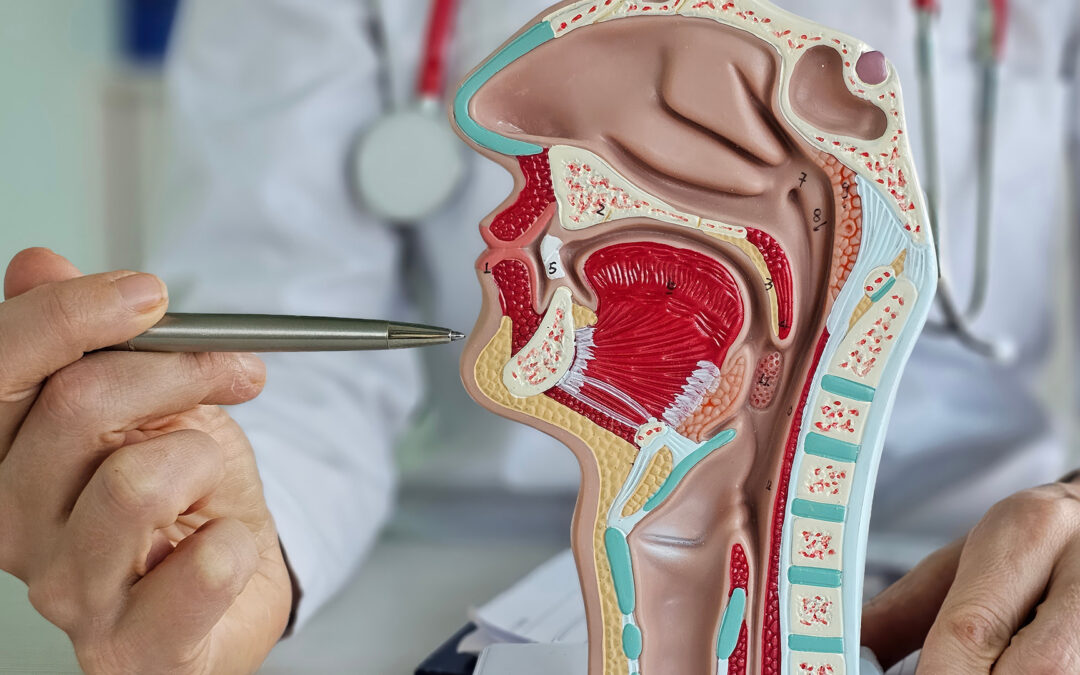
Oral pathology focuses on diseases that affect the mouth, jaws, and related structures. From cysts and benign growths to oral cancer, recognizing changes early and seeking expert evaluation can make a meaningful difference in your health and treatment options. If you notice a sore that does not heal, a new lump, or any unusual changes in your mouth, schedule a professional evaluation promptly. This overview highlights oral pathology: signs of cysts, tumors, or biopsies and why early detection matters, so you know what to watch for and when to seek care.
What Is Oral Pathology?
Oral pathology is the specialty that studies, diagnoses, and manages diseases of the oral cavity, jawbones, salivary glands, and surrounding tissues. It connects what is seen in the clinic with what is found under the microscope to identify the cause of symptoms and guide care.
Oral and maxillofacial pathologists work alongside general dentists, oral surgeons, and medical specialists to interpret biopsies, imaging, and laboratory tests. They provide definitive diagnoses and collaborate on individualized treatment plans that may include monitoring, minor surgery, medications, or referral to oncology when needed.
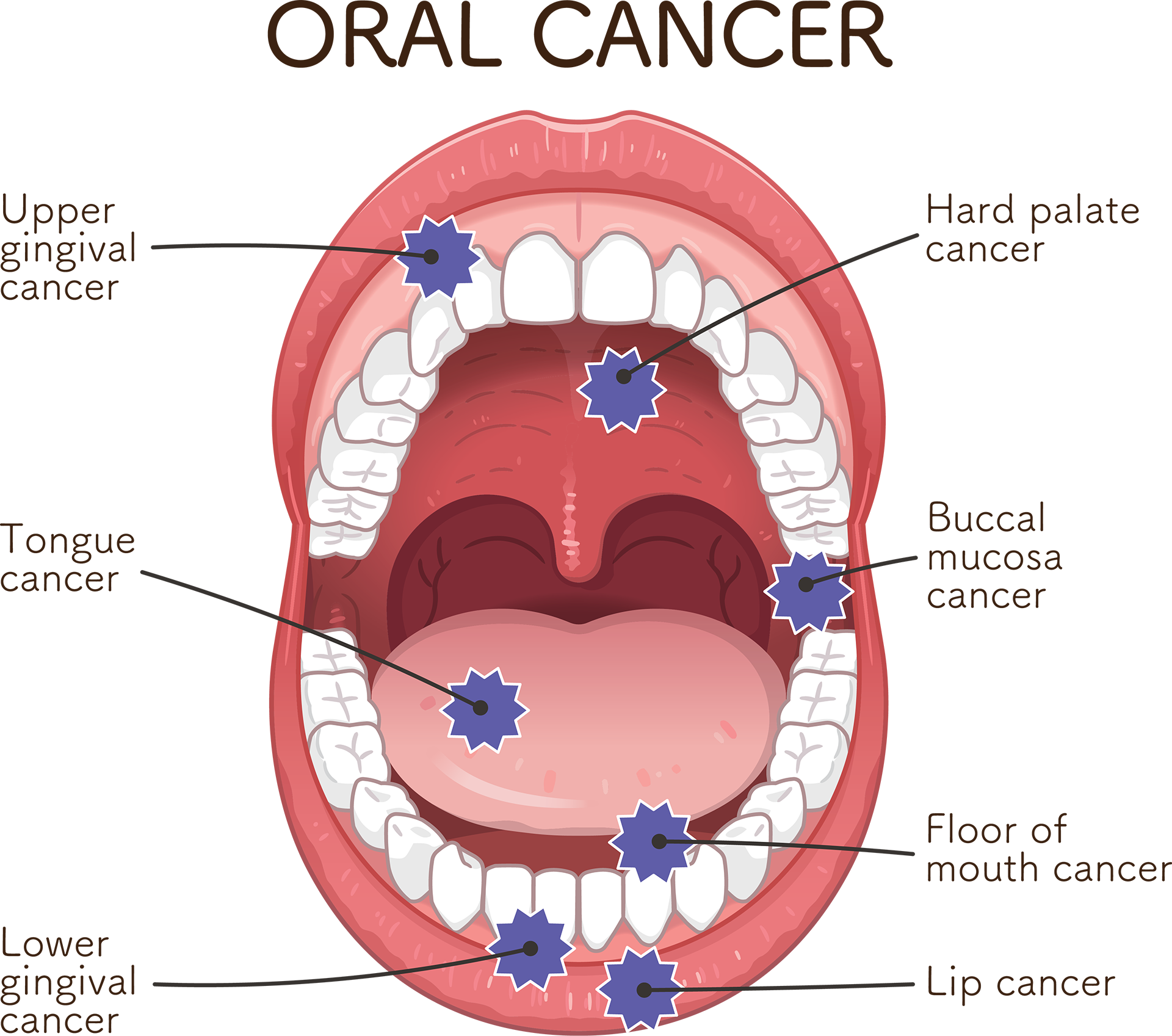
Common conditions seen in oral pathology include mucoceles and other cysts; fibromas and other benign tumors; aphthous ulcers; lichen planus; leukoplakia and erythroplakia; infections such as candidiasis and herpes; salivary gland disorders; jaw lesions like odontogenic cysts and tumors; and potentially malignant disorders and oral cancers. In some cases, a tumor with tooth displacement or loosening can be the first clinical clue that prompts further investigation.
Signs of Oral Pathology: Cysts, Tumors, and More
Symptoms of oral cysts and tumors can be subtle at first. Cysts often present as painless swellings in the gums or jaw, a lump under the tongue or inside the lips, or a bump near a tooth that may slowly enlarge. Benign tumors may appear as smooth, firm nodules, while malignant tumors can cause nonhealing ulcers, unexplained bleeding, persistent pain, or numbness. A tumor with tooth movement, loosening, or displacement can also be a warning sign that the supporting bone is affected.
Watch for the following visual and physical signs:
A sore, ulcer, or white or red patch that does not resolve within two weeks
A lump, thickening, or swelling in the cheek, tongue, floor of mouth, or lips
A tooth that becomes loose without gum disease, or a tumor with tooth displacement
Jaw fullness, facial asymmetry, or difficulty opening the mouth
Persistent sore throat, hoarseness, or the feeling of something stuck
Changes in the fit of dentures or your bite, unexplained bleeding, or numbness
Monthly self-examinations can help you spot changes early. Use good lighting and a mirror to check your lips, gums, cheeks, the top and sides of your tongue, the floor of your mouth, and the palate. Gently feel for lumps along the jaw and neck. Regular dental checkups are essential; your dentist screens for suspicious areas at each visit and can recommend timely testing if anything looks unusual. Understanding oral pathology: signs of cysts, tumors, or biopsies and why early detection matters empowers you to act quickly.
Why Early Detection Matters
Timely diagnosis often leads to less invasive treatment, better function, and improved quality of life. Many cysts and benign tumors can be treated conservatively when discovered early, reducing risk to teeth, nerves, and bone. For oral cancer, detecting disease at an early stage significantly improves survival and reduces the need for extensive surgery, radiation, or systemic therapy.
Early intervention helps prevent complications such as infection, pathologic fractures from expanding jaw cysts, nerve injury, and spread of malignant disease. Addressing precancerous changes before they progress can stop cancer from developing in the first place. In oral pathology, early recognition of a tumor with tooth changes can also preserve dentition and jaw structure.
According to national data, the five-year survival rate for localized oral cavity and oropharyngeal cancers can exceed 80% when found early, but drops substantially once cancer has spread to lymph nodes or distant sites. Acting quickly on persistent sores, lumps, or unexplained symptoms is one of the most effective ways to protect your health and exemplifies why oral pathology: signs of cysts, tumors, or biopsies and why early detection matters.
How Are Oral Pathologies Diagnosed?
Diagnosis typically combines a clinical exam with imaging and laboratory tests. Your provider may recommend dental radiographs, panoramic X-rays, CBCT scans, or MRI/CT to evaluate the extent of a lesion. A biopsy, which removes a small tissue sample, is the gold standard for diagnosing many conditions. Depending on the situation, this may be an incisional biopsy (sampling part of a larger area) or an excisional biopsy (removing the entire small lesion). Additional tests can include cultures, cytology, salivary diagnostics, or blood work when systemic conditions are suspected.
Dentists and dental specialists are often the first to spot concerning changes during routine care. They document the lesion’s size, texture, and location; review your medical history and risk factors such as tobacco, alcohol, or HPV exposure; and coordinate referrals to oral surgeons or pathologists for advanced evaluation and treatment planning.
During an oral pathology examination, expect a thorough review of your symptoms, a head and neck exam, and careful inspection and palpation of oral tissues. If a biopsy is needed, local anesthesia keeps you comfortable. Most procedures are quick, and post-biopsy soreness is usually mild. Your care team will explain results and next steps, including monitoring intervals, surgical options, or additional therapy if required. If you notice changes in your mouth that persist beyond two weeks, schedule an appointment promptly, early answers lead to better outcomes in oral pathology.
Dental implants are a highly dependable way to replace missing teeth, but their long-term success relies on healthy gums and bone. How gum disease impacts dental implants is a critical topic because gum disease can disrupt healing, weaken support around implants, and raise the risk of complications. Knowing how gum disease develops, how gum disease impacts dental implants over time, and the steps you can take to prevent problems helps you protect your investment and your smile.
What Is Gum Disease?
Gum disease is an infection and inflammation of the tissues that support teeth. It starts as gingivitis, a reversible condition caused by plaque buildup along the gumline. Without treatment, it can progress to periodontitis, a more serious stage that damages the bone and connective tissue anchoring the teeth. In periodontitis, deep pockets form between the teeth and gums, creating areas where bacteria thrive and continue to destroy the supporting structures.
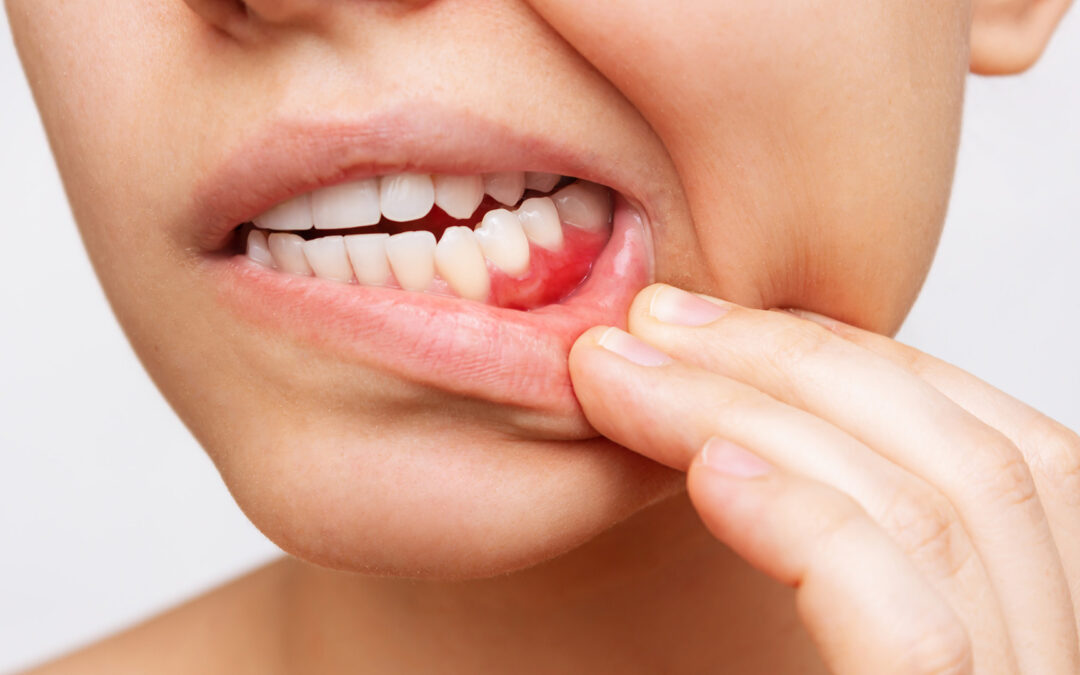
Common warning signs include red, swollen, or tender gums; bleeding when brushing or flossing; persistent bad breath; gum recession; tooth sensitivity; and loose or shifting teeth. Early gum disease is often painless, which is why regular dental checkups are essential for early detection and intervention.
Risk factors include poor oral hygiene, smoking or vaping, diabetes, a family history of periodontal disease, hormonal changes, medications that reduce saliva flow, clenching or grinding, and chronic stress. Diets high in sugar and irregular dental visits can also increase your risk.
How Gum Disease Affects Dental Implants
Healthy gums and adequate bone are vital for implant success. Active gum disease can reduce the predictability of the healing process known as osseointegration, the fusion of an implant with the jawbone. Inflammation elevates bacterial levels and interferes with tissue regeneration, making early healing less reliable.
Gum disease around implants typically appears as mucositis, which is inflammation limited to the soft tissue. If not addressed, it can progress to peri-implantitis, a condition that involves inflammation and bone loss. Peri-implantitis resembles advanced periodontitis and can lead to progressive bone destruction around the implant threads, implant mobility, and ultimately implant failure.
When inflammation breaks down the seal between the gum tissue and the implant, bacteria can penetrate deeper areas, triggering an immune response that accelerates bone resorption. Factors such as smoking, uncontrolled plaque, and systemic conditions like poorly managed diabetes amplify this response and make peri-implant tissues more susceptible to breakdown. Understanding gum disease and dental implants together is essential, because the same bacteria that cause periodontal disease can compromise implant health if not controlled.
Evaluating Candidacy for Dental Implants with Gum Disease
A thorough periodontal and oral health evaluation is the first step in determining whether implants are appropriate. Your dentist or periodontist will review your medical history, measure pocket depths, check for bleeding and tooth mobility, and evaluate bone levels using imaging such as digital X-rays or 3D cone beam scans. Stable gum health, sufficient bone volume, and consistent home care habits are critical for candidacy.
Active gum infection must be treated before implant surgery. Reducing bacterial load and controlling inflammation improves healing and long-term stability. Treatment often includes professional cleanings, scaling and root planing, and targeted antimicrobial therapies. In some cases, bone grafting or soft tissue procedures may be recommended before or during implant placement to rebuild lost support.
Your provider will stage the disease, identify contributing risk factors such as diabetes or tobacco use, and develop a personalized timeline. A staged plan, disease control, re-evaluation, then implant placement, often provides the best chance for long-term success. This approach addresses gum disease and dental implants as a combined consideration, ensuring the mouth is healthy enough to support predictable implant outcomes.
Treatment Options for Gum Disease
Non-surgical therapy is the first line for most patients. Scaling and root planing removes plaque and tartar above and below the gumline and smooths root surfaces to discourage bacterial reattachment. Adjunctive therapies may include localized antibiotics, antimicrobial mouth rinses, and laser-assisted treatments to reduce bacteria and inflammation. Consistent home care and regular professional maintenance are essential after initial therapy.
For advanced disease, surgical care may be needed. Options include flap surgery to access and clean deep pockets, osseous surgery to reshape irregular bone, guided tissue regeneration and bone grafting to rebuild lost support, and soft tissue grafts to treat recession and improve tissue quality around teeth or implants. When peri-implantitis is present, specialized procedures and implant surface decontamination are used to control infection and, when feasible, regenerate lost bone.
After treatment, the focus shifts to maintaining gum health to protect both natural teeth and implants. This involves meticulous brushing and interdental cleaning, using antimicrobial rinses as directed, scheduling regular periodontal maintenance visits, and monitoring systemic factors such as blood sugar control. Staying on your maintenance schedule significantly lowers the risk of recurrence.
Preventing Gum Disease for Better Implant Outcomes
Daily habits are the foundation of prevention. Brush twice a day with a soft-bristled toothbrush and fluoride toothpaste, and clean between teeth once a day with floss, interdental brushes, or a water flosser. Around implants, many patients benefit from implant-safe interdental brushes and super floss to thoroughly clean without damaging the restoration.
Routine checkups and professional cleanings help catch early signs of gum disease and peri-implant problems. After implant placement, your dentist may recommend more frequent periodontal maintenance, especially if you have a history of gum disease. Regular evaluations allow your dental team to adjust your home care and treat inflammation early.
Lifestyle choices strongly influence gum and implant health. If you smoke or vape, seek support to quit; tobacco use significantly increases the risk of peri-implantitis and implant failure. Maintain a balanced diet rich in protein, vitamins C and D, and minerals that support healing and bone metabolism. Manage systemic conditions such as diabetes, reduce stress, get adequate sleep, and wear a nightguard if you clench or grind. These steps help control inflammation and protect implants over the long term. For anyone researching how gum disease impacts dental implants, prevention is the most reliable way to safeguard the tissue and bone that keep implants stable.
Key Differences: Healthy Implants vs. Implants Affected by Gum Disease
Feature
Healthy Implant
Implant with Mucositis/Peri-implantitis
Gum appearance
Pink, firm, no bleeding
Red, swollen, bleeding on brushing or probing
Pocket depth
Shallow, stable
Deepening pockets around the implant
Bone levels
Stable on X-rays
Progressive bone loss visible on imaging
Symptoms
Comfortable, functional
Tenderness, bad taste or breath, possible mobility
Prognosis
Excellent with routine care
Guarded without timely treatment
When to See a Dentist
Bleeding gums or persistent bad breath
Sensitivity or tenderness around an implant
Gum recession or a change in how an implant crown feels when biting
Redness, swelling, or drainage near an implant
Missed maintenance visits or difficulty keeping implants clean at home
Early evaluation allows for conservative treatment and better outcomes. Waiting can lead to deeper infection and more complex care.
The Bottom Line
Gum disease can jeopardize dental implants by disrupting healing, breaking down the tissue seal, and accelerating bone loss. The good news is that careful planning, effective treatment of gum disease before surgery, and consistent maintenance greatly improve implant success. Partner with your dental team for a personalized plan that includes risk assessment, tailored home care, and regular periodontal maintenance. With healthy gums and vigilant follow-up, your implants can stay strong and comfortable for years to come. Keeping the focus on gum disease and dental implants as interconnected issues helps you make informed decisions and prioritize the habits that support long-term stability.
Dry socket is a common concern after wisdom teeth removal, but careful aftercare significantly lowers your risk. This guide explains what dry socket is, who is more likely to develop it, practical steps to prevent it, how to recognize symptoms early, and what treatment involves if it occurs. If you are searching for how to avoid getting dry socket after wisdom teeth removal the tips below can help you protect the healing site. Always follow your oral surgeon’s instructions and use these recommendations to support a comfortable, complication-free recovery.
What Is Dry Socket?
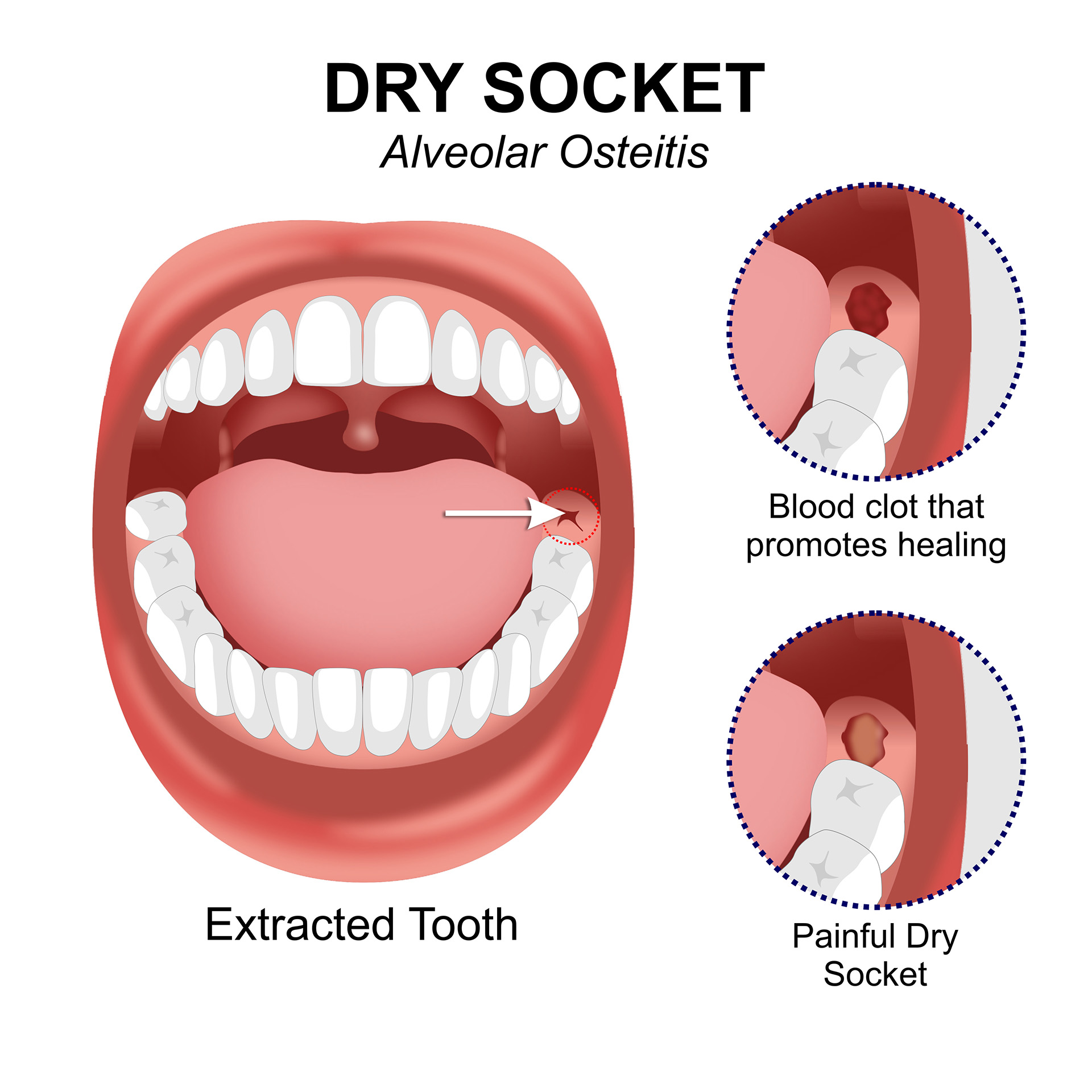
Dry socket (alveolar osteitis) happens when the protective blood clot in the extraction site dissolves too soon, dislodges, or fails to form. Without this clot, the underlying bone and nerve endings are exposed, causing significant pain and slowing healing.
After wisdom tooth extractions, especially in the lower jaw, the sockets can be deep and harder to keep stable. The clot functions like a natural bandage, shielding the area from food particles, bacteria, and air. If the clot is lost, pain can intensify and may radiate to the ear, temple, or neck on the affected side.
Dry socket typically appears 1 to 3 days after surgery. It occurs in about 2–5% of routine extractions and up to 10–30% for impacted lower wisdom teeth. With diligent post-operative care, you can greatly reduce the risk. Learning how to avoid dry socket starts with keeping the clot intact and minimizing any actions that disrupt healing.
Who Is at Higher Risk?
Several factors increase the likelihood of dry socket. Knowing your risk helps you take extra precautions and follow aftercare instructions closely.
Age: Patients over 25 may have denser bone and more complex extractions.
Smoking or vaping: Nicotine and suction disrupt clot formation and stability.
Hormonal factors: Oral contraceptives may affect clot stability.
History: Prior dry socket or poor oral hygiene increases risk.
Alcohol use and certain medications: Blood thinners and other drugs can affect clotting.
Surgical complexity also matters. Impacted teeth, longer procedures, or cases involving greater bone removal can increase inflammation and strain the clot. Skilled surgeons use gentle techniques, thorough irrigation, and appropriate suturing to lower risk.
Behaviors that raise risk include rinsing or spitting too aggressively soon after surgery, using straws during the first week, and smoking within the first 72 hours. If you’re in a higher-risk group, ask your provider about preventive options like medicated dressings or specific rinses. Understanding how to avoid getting dry socket after wisdom teeth removal is especially important when these risk factors apply.
How to Prevent Dry Socket
Post-operative care is the most important factor in avoiding dry socket. Follow your surgeon’s written instructions exactly, and call the office if you have questions. The actions below outline how to avoid dry socket during the critical first days after extraction.
Do
Keep gauze in place as directed right after surgery, and change it gently.
Rest with your head elevated for the first 24–48 hours.
Apply cold packs intermittently during the first day to reduce swelling.
Take prescribed medications on schedule, including pain relievers and any antibiotics or antimicrobial rinses.
Start gentle saltwater rinses 24 hours after surgery (½ teaspoon salt in 1 cup warm water) after meals and before bed.
Protect the area by avoiding contact with fingers or your tongue.
Avoid
Smoking, vaping, or nicotine for at least 72 hours, ideally for a full week.
Straws and any strong sucking motion.
Forceful spitting or vigorous rinsing in the first 24 hours.
Alcohol and very hot liquids early on.
Strenuous exercise for 3–5 days, since increased blood pressure can disrupt the clot.
Diet and Hydration
Begin with cool, soft foods that are easy to chew and won’t irritate the socket. Good choices include yogurt, applesauce, mashed potatoes, smoothies (without straws), scrambled eggs, and well-cooked pasta. Avoid crunchy, spicy, or seedy foods, chips, nuts, popcorn, and rice can lodge in the socket. Skip extremely hot foods and carbonated or alcoholic beverages early in recovery. Drink plenty of water. If you are focused on how to avoid getting dry socket after wisdom teeth removal, prioritize soft, cool options and chew away from the surgical sites.
Oral Hygiene
The day after surgery, gently brush your other teeth while avoiding the surgical sites. Use any prescribed antimicrobial rinse or saltwater rinses to keep the area clean. Do not use commercial mouthwashes with alcohol during the first few days. If you’re given a syringe, use it only as directed, often starting around day 3–4, to gently flush food debris without force.
Signs and Symptoms to Watch For
Dry socket often presents as increasing pain 1–3 days after extraction. The pain is typically more intense than normal post-operative soreness and may not respond to standard pain medication. It can radiate to the ear, temple, or jaw on the same side.
A sudden drop in pain relief after initial improvement.
Bad taste or odor in the mouth.
An empty-looking socket where the clot appears absent.
Visible bone within the site.
Contact your dentist or oral surgeon if pain escalates sharply, persists beyond normal healing timelines, or is accompanied by fever, significant swelling, or difficulty swallowing. Early intervention reduces discomfort and supports proper healing.
Symptoms vary. Some patients experience dull, throbbing pain; others feel sharp, radiating pain. Severity can depend on which teeth were removed, individual pain thresholds, and how much the clot was disrupted. If something doesn’t feel right, reach out promptly. Recognising symptoms early is an essential part of how to avoid dry socket complications and get timely care.
Treatment if You Develop Dry Socket
Dry socket is treatable, and relief is usually rapid once a professional cares for the site. Your provider may gently clean the socket, place a medicated dressing to shield exposed bone and nerves, and recommend pain medication or topical anesthetics. Dressings may need to be changed every 24–48 hours until symptoms resolve.
Medications often include anti-inflammatories like ibuprofen, acetaminophen, and short-term prescription analgesics for severe pain. Some practices use antimicrobial rinses or gels to reduce bacteria and support healing.
At home, continue gentle saltwater rinses after meals and before bed, avoid suction and smoking, limit vigorous activity, and stick to soft, cool foods. Use over-the-counter pain relief as directed. Keep the area clean but do not probe or disturb the socket.
Seek care right away if pain is severe, you suspect the clot is gone, or you notice signs of infection such as fever, worsening swelling, or pus. Prompt treatment eases discomfort, helps prevent complications, and promotes healthy recovery. Understanding how to avoid getting dry socket after wisdom teeth removal will guide your actions even if a complication arises, helping you return to normal more quickly.
Dental implants are often called the gold standard for replacing missing teeth, and with good reason. With proper care, implants can last decades, and many remain healthy for a lifetime. If you’re asking, how long do dental implants last, their longevity depends on several factors, including oral hygiene, overall health, bite forces, and the quality of the surgical and restorative work. Below, we outline how implants function, what influences their lifespan, and the steps you can take to keep yours strong and stable for years to come.
What Is a Dental Implant?
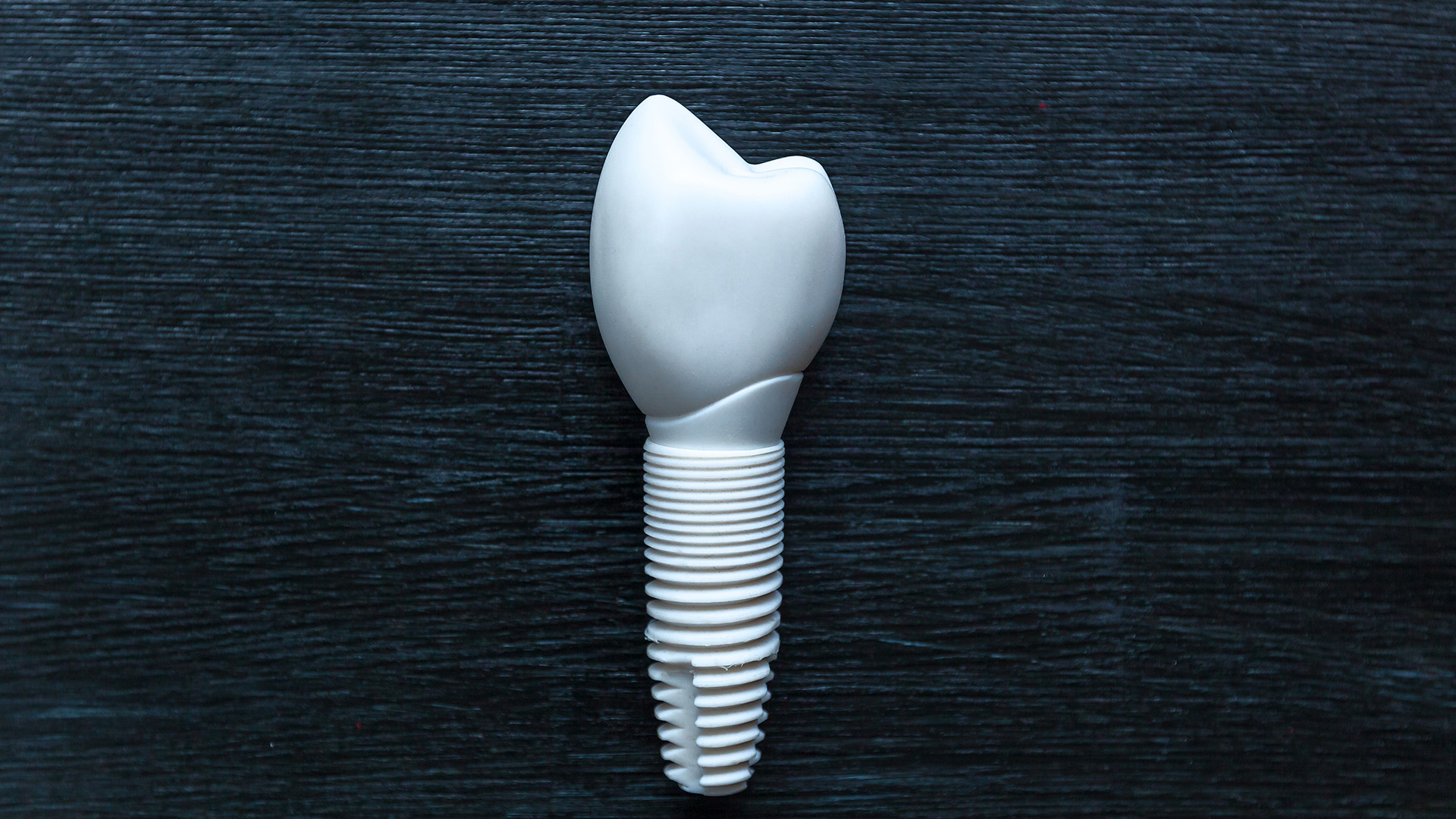
A dental implant is a small, biocompatible post, most commonly made of titanium or, in some cases, zirconia, placed into the jawbone to act as an artificial tooth root. Each implant restoration typically includes three parts: the implant fixture (the post anchored in bone), the abutment (the connector that attaches to the fixture), and the crown (the custom tooth visible above the gumline). Together, they create a natural-looking and highly functional replacement for a missing tooth.
Implants can be tailored to different needs. A single-tooth implant replaces one missing tooth, while implant-supported bridges can restore multiple teeth using fewer posts. For patients missing most or all teeth in an arch, full-arch solutions like All-on-4 or All-on-6 use strategically placed implants to support a complete set of teeth. Most patients receive endosteal implants (placed within the jawbone). In select cases with limited bone, subperiosteal implants (positioned above the bone but under the gum) may be considered.
Getting an implant begins with a comprehensive evaluation using X-rays or 3D imaging to assess bone quality, gum health, and overall suitability. If necessary, preparatory procedures, such as bone grafting or sinus augmentation, create a stable foundation. During placement, the fixture is inserted into the jawbone. Over the following months, osseointegration occurs as the bone heals and bonds to the implant. Once integration is complete, the abutment is attached and a custom crown is secured, restoring chewing function and aesthetics.
How Long Do Dental Implants Last?
On average, the implant fixture can last 20 years or more, and many implants remain healthy indefinitely. The crown typically has a lifespan of 10 to 15 years due to normal wear and tear and may need replacement over time, similar to other dental restorations. With consistent oral care and routine check-ups, both the implant and its components can serve you well for the long term. Patients frequently ask, “how long do dental implants last?” While individual results vary, strong home care and professional follow-up are the most important predictors of long-term success.
The durability of an implant depends on several influences:
Oral hygiene: Daily plaque control helps prevent inflammation and infection around the implant.
Professional maintenance: Regular exams and cleanings allow for early detection and management of issues.
Bone quality and quantity: Adequate bone supports osseointegration and long-term stability.
Systemic health: Conditions like uncontrolled diabetes or compromised immune function can affect healing and outcomes.
Habits: Smoking or vaping increases complication risks; chronic grinding (bruxism) and heavy bite forces can stress the implant and crown.
Bite and alignment: Proper occlusion reduces undue forces on the restoration.
Provider experience: A skilled surgical and restorative team improves success rates.
Compared with other tooth replacement options, implants generally offer superior longevity. Traditional bridges often last 7 to 10 years and require reshaping adjacent teeth. Removable dentures may need frequent adjustments or replacements and can contribute to gradual bone loss. Because implants integrate with the jawbone, they help preserve bone and provide stable chewing function, often making them a more cost-effective solution over time.
How to Care for Dental Implants
Consistent home care and professional follow-up are essential to protect your implant and surrounding tissues. A daily routine that keeps plaque at bay reduces the risk of peri-implant disease and supports long-term success.
Brush twice daily with a soft-bristled brush and a low-abrasive toothpaste to protect the crown and gum tissues.
Floss once a day using floss threaders or implant-specific floss to clean around the implant and abutment.
Use interdental brushes or a water flosser to remove plaque in hard-to-reach areas.
Rinse as recommended by your dentist if you’re prone to inflammation or dry mouth.
Schedule routine exams and professional cleanings, typically every six months unless your dentist advises a different interval. These visits include assessments of gum health, bite alignment, and the condition of the crown and abutment. Periodic X-rays help monitor bone levels and confirm the implant remains stable.
Healthy lifestyle choices further support implant longevity. Avoid tobacco products, as nicotine restricts blood flow and raises the risk of complications. If you grind your teeth, wear a custom night guard to protect your implant and crown. Be cautious with very hard foods that can crack or chip restorations. A balanced diet and good control of systemic conditions like diabetes promote healthy healing and long-term stability.
Signs Your Implant Needs Attention
While implant failure is uncommon, early detection of problems is key. Contact your dentist if you notice any of the following:
Persistent pain, tenderness, or discomfort around the implant
Loosening of the crown or abutment
Swelling, bleeding, or gum recession near the implant
Difficulty chewing or changes in your bite
Unusual taste, discharge, or persistent bad breath
Prompt evaluation can often resolve concerns before they progress. Your dentist may perform a clinical exam, take X-rays, adjust your bite, perform a deep cleaning, or prescribe medication for infection. If peri-implantitis (inflammation around the implant) is present, targeted therapy may be recommended. In rare, advanced cases, implant replacement may be necessary.
Prevention starts with daily plaque control and routine professional care. Stick to your cleaning schedule, use the correct brushing and flossing techniques, wear protective appliances if advised, and avoid tobacco. Report any changes in comfort, bite, or gum health right away to minimize the chance of complications.
Benefits of Choosing Dental Implants
Dental implants can transform daily life by restoring confidence and function. They provide stable chewing ability, allowing you to enjoy a wide range of foods. Implants also help maintain normal speech and avoid the slipping or irritation often associated with removable dentures.
From a long-term value perspective, implants are often cost-effective. Although the initial investment may be higher than other options, their durability and reduced need for frequent replacement or specialized maintenance can result in lower lifetime costs. By integrating with the jawbone, implants help prevent bone resorption after tooth loss, supporting facial structure and reducing future restorative needs. For anyone comparing options and asking how long do dental implants last relative to bridges or dentures, the integration with bone typically leads to longer stability and better function.
Aesthetically, implants mimic natural teeth. Custom crowns are matched to your smile, providing a seamless appearance. Because the implant functions like a root within the bone, it delivers a lifelike feel and stability. With good care, implants offer a lasting solution that looks, feels, and functions like your own teeth.
Dental Implants vs. Other Options: Longevity at a Glance
Restoration
Typical Lifespan
Key Considerations
Dental implant (fixture)
20+ years; often lifelong
Requires healthy bone and good hygiene; preserves bone; high stability
Implant crown
10–15 years
Subject to normal wear; may be replaced over time
Traditional bridge
7–10 years
Involves reshaping adjacent teeth; maintenance and replacement more frequent
Removable denture
5–8 years
Periodic adjustments/replacements; may accelerate bone loss
Frequently Asked Questions
What affects how long a dental implant lasts? Daily oral hygiene, regular professional care, bone quality, systemic health, bite forces, and lifestyle habits all play a role. Choosing an experienced surgical and restorative team further increases success. If you’re asking how long do dental implants last, know that consistent maintenance and healthy habits make the biggest difference.
Will I ever need to replace the implant? The fixture often lasts indefinitely if the bone and gums remain healthy. The crown may require replacement after 10 to 15 years due to normal wear, similar to other restorations.
Can smokers get dental implants? Yes, but smoking or vaping increases the risk of complications and can reduce long-term success. Quitting or reducing tobacco use improves outcomes and helps implants last longer.
Do implants require special cleaning? Implants are cleaned much like natural teeth, with attention to the gumline. Use floss, interdental brushes, or a water flosser to reach areas around the abutment and under the crown, and keep up with professional cleanings.
Are implants worth the cost? Many patients find implants a strong long-term value due to their durability, bone preservation, and reduced need for frequent replacement compared with bridges or dentures.
How to Protect Your Investment
To help your implants last, follow your dentist’s maintenance plan and keep appointments for exams and cleanings. If you grind your teeth, wear a night guard. Control systemic health conditions through regular medical care, maintain a balanced diet, and avoid tobacco. At home, brush and floss daily and use recommended tools to reach around the implant. If something feels off, such as tenderness, mobility, or a change in your bite, schedule a visit promptly. For anyone still asking how long do dental implants last, these everyday steps are the foundation for keeping implants healthy for the long term.
With consistent care and healthy habits, dental implants can provide a lifetime of reliable function and a confident smile.
So, what is it like to get your wisdom teeth removed? Wisdom teeth removal is a routine oral surgery most people experience in their late teens or early twenties. While it can sound daunting, knowing why removal is recommended, how the procedure works, and what recovery entails makes the process far more manageable. With an experienced oral surgeon or dentist, modern anesthesia options, and clear aftercare guidance, most patients recover smoothly and return to normal activities within a few days. If you are wondering what is it like to get your wisdom teeth removed, understanding each step of tooth wisdom removal helps set realistic expectations and reduce anxiety.
Understanding Wisdom Teeth
Wisdom teeth are the third molars at the very back of your mouth, usually two on the top and two on the bottom. They were useful for ancient diets that required more chewing power, but today they often offer little functional benefit.
These molars typically erupt between ages 17 and 25, though timing varies. Some people develop all four, some fewer, and some none at all. When there’s adequate space and the teeth align correctly, wisdom teeth can erupt without causing problems.
Impacted wisdom teeth, those trapped beneath the gums or growing at an angle, are more likely to cause issues. Common problems include pain, swelling, infection, crowding, damage to nearby teeth, gum disease, and cysts. Routine dental exams and X-rays help detect impaction early and guide whether monitoring or removal is the best course. Understanding these factors is central to answering what it is like to get your wisdom teeth removed and why tooth wisdom removal is often advised before complications arise.
Reasons for Wisdom Teeth Removal
Removal may be recommended if you notice jaw pain or pressure, swelling or tenderness near the back molars, recurring infections, difficulty opening your mouth, or crowding that shifts other teeth. Dentists often base the decision on X-rays showing poor position, risk of decay, or potential damage to adjacent teeth.
Overcrowded or impacted wisdom teeth are harder to clean, increasing the risk of cavities and gum disease. They can press against second molars, disrupt bite alignment, and create pockets where bacteria thrive.
Preventive removal can reduce the likelihood of future infections, pain, and more complex surgery later. While any surgery carries risks, such as bleeding, swelling, dry socket, or temporary nerve irritation, complications are uncommon and typically short-lived. For many patients, early tooth wisdom removal supports long-term oral health and makes recovery more predictable.
What to Expect During the Procedure
The process starts with a consultation, medical review, and X-rays. On surgery day, the area is disinfected and anesthesia is administered. The dentist or oral surgeon makes a small incision in the gum, may remove a small amount of bone if needed, and extracts the tooth. Stitches may be placed to support healing, and gauze helps control initial bleeding.
Anesthesia options include local anesthesia to numb the area, nitrous oxide (laughing gas) for relaxation, oral sedation, and IV sedation for deeper comfort. Your provider will recommend the best option based on your health, anxiety level, and case complexity. With sedation, most patients remember little of the procedure and experience minimal discomfort.
Routine extractions typically take 30 to 60 minutes; complex impactions can take longer. After surgery, you’ll receive written instructions on managing swelling, changing gauze, taking medications, and protecting the blood clot. Arrange a ride home if you have sedation and plan to rest for the remainder of the day. Knowing these steps helps answer what it is like to get your wisdom teeth removed and prepares you for a smoother tooth wisdom removal experience.
Recovery After Wisdom Teeth Removal
Recovery follows a fairly predictable timeline. The first 24 to 72 hours bring the most swelling and soreness. By days three to five, many people feel markedly better and resume light activities. Soft tissue generally heals in one to two weeks, while full bone healing continues for several months.
To manage discomfort and swelling, use prescribed or over-the-counter pain relievers as directed, apply cold compresses for the first 24 hours, and keep your head elevated when resting. Avoid smoking, vigorous rinsing, and using straws for at least 24 to 48 hours to prevent dry socket. Begin gentle saltwater rinses after the first day to keep the area clean.
Choose soft, cool foods such as yogurt, smoothies (without straws), mashed potatoes, applesauce, scrambled eggs, and lukewarm soups. Steer clear of hard, crunchy, spicy, or very hot foods that could irritate the surgical sites. As comfort improves, gradually return to your usual diet. Contact your dental provider promptly if you experience fever, worsening pain, persistent bleeding, or a foul taste that doesn’t resolve.
Keep the extraction sites clean and follow all hygiene instructions.
Take medications exactly as prescribed.
Limit strenuous activity for several days.
Attend follow-up appointments to monitor healing.
By planning ahead, following aftercare instructions, and understanding the timeline, you will have a clear sense of what it is like to get your wisdom teeth removed. Most patients report that tooth wisdom removal is easier than expected and that discomfort steadily improves each day.