Choosing the right anesthesia can make oral surgery more comfortable and less stressful. Whether you are planning a wisdom tooth extraction, a dental implant, or a corrective procedure, understanding the difference between IV sedation and local anesthesia helps you feel prepared and confident. Below, we outline how each option works, who benefits most, and what to expect so you and your oral surgeon can make an informed decision together. Patients often search for IV sedation vs local anesthesia for oral surgery to compare comfort, safety, and recovery. This guide explains how IV sedation and local anesthesia are used alone or together to deliver a smooth experience.
Understanding Your Anesthesia Options
Local anesthesia is a numbing medication injected into the treatment area to block pain signals. You remain fully awake and aware, but the targeted tissues are numb so you do not feel sharp pain during the procedure.
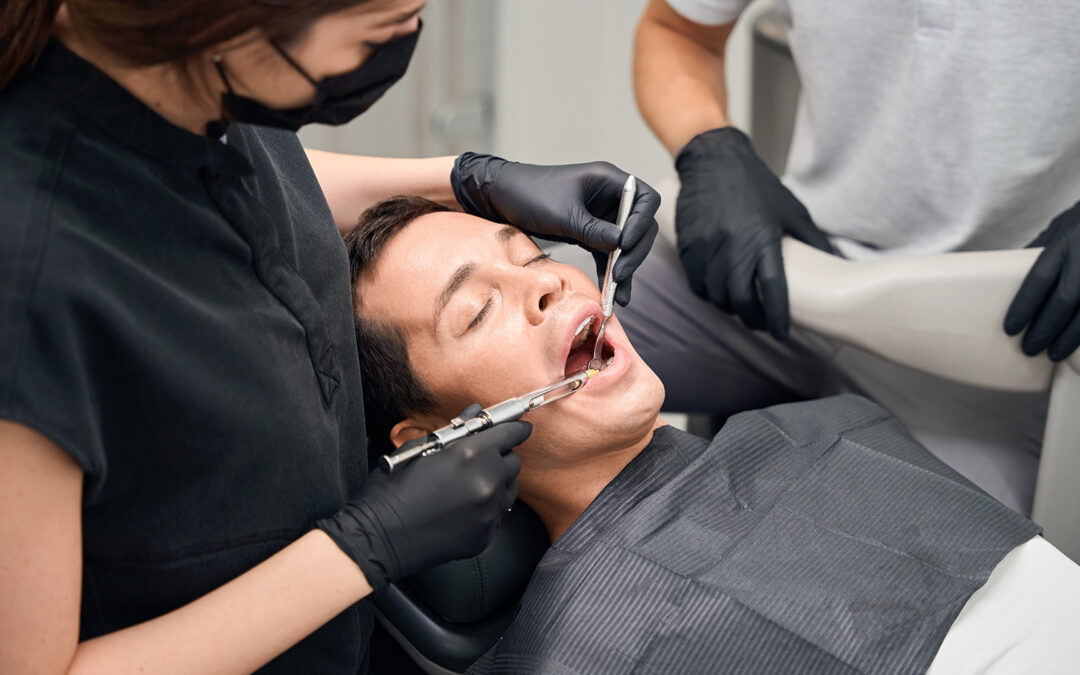
IV sedation (intravenous sedation) involves medication delivered through a small vein in your arm or hand. It creates a deeply relaxed, drowsy state and reduces awareness of sights and sounds. Most patients breathe on their own and remember little, if anything, about the procedure.
Local anesthesia is routinely used for fillings, simple extractions, gum treatments, and minor biopsies. IV sedation is often recommended for impacted wisdom teeth removal, multiple extractions, dental implants, bone grafts, and longer or more complex procedures.
Both methods effectively control pain. Local anesthesia blocks pain at the source, while IV sedation adds an anti-anxiety effect by calming the central nervous system and reducing the sensation of pressure and the perception of time. In many cases, IV sedation is combined with local anesthesia to provide complete numbness with enhanced comfort. When comparing IV sedation vs local anesthesia for oral surgery, keep in mind that they are complementary tools tailored to the procedure and your comfort needs.
Benefits of IV Sedation
IV sedation promotes deep relaxation. Patients feel calm, detached from the clinical environment, and may lightly sleep through parts of the visit. This level of comfort can make lengthy or technically involved procedures feel shorter and easier to tolerate.
For patients with dental anxiety or fear, IV sedation can be transformative. It lowers anticipatory stress, helps control a strong gag reflex, and supports those who have had difficult dental experiences in the past. It can also benefit individuals with a low pain threshold or difficulty remaining still during treatment.
Ideal candidates for IV sedation include patients undergoing complex surgery, those consolidating multiple procedures into a single visit, people with significant dental anxiety, and patients who prefer to remember little of the experience. Your oral surgeon will review your health history, including medications, allergies, and conditions such as sleep apnea or cardiovascular disease, to confirm that IV sedation is appropriate and safe.
Advantages of Local Anesthesia
Local anesthesia precisely numbs a specific area while you remain fully conscious and able to communicate. You may feel pressure and movement but no sharp pain. Because the effect is localized, it avoids sedation-related drowsiness and has a very predictable response.
Recovery with local anesthesia is typically quick. Most patients can drive themselves home, resume normal activities sooner, and experience minimal side effects beyond temporary numbness. It is associated with fewer medication interactions and is suitable for a wide range of patients.
Local anesthesia is cost-effective and straightforward to administer. For straightforward procedures, it often provides all the comfort needed without the extra time, monitoring, or recovery period that sedation requires. Many patients appreciate staying alert and in control while remaining pain-free.
Comparing IV Sedation and Local Anesthesia: Pros and Cons
Safety is a top priority with both options. Local anesthesia has a long, proven track record when administered by trained clinicians and rarely causes systemic effects. IV sedation is also safe when provided by qualified professionals with continuous monitoring of breathing, oxygen level, heart rate, and blood pressure. Your surgical team tailors medications and dosages to your needs.
Potential side effects differ. With local anesthesia, you may experience temporary numbness, tingling, or mild soreness at the injection site, and rarely a prolonged altered sensation. IV sedation may cause drowsiness, grogginess, limited memory of the procedure, and occasionally nausea. You will need a responsible adult to escort you home and should avoid driving or operating machinery for at least 24 hours after IV sedation.
Consideration
IV Sedation
Local Anesthesia
Awareness
Deep relaxation; limited memory of the procedure
Fully awake and aware
Pain Control
Usually combined with local anesthetic for complete numbness
Blocks pain at the treatment site
Anxiety Relief
Strong anti-anxiety effect
Minimal effect on anxiety
Procedure Type
Complex, lengthy, or multiple treatments
Shorter, simpler procedures
Recovery
Requires escort; no driving for 24 hours
Rapid; most can drive themselves home
Cost/Logistics
Higher cost; additional monitoring and time
More cost-effective; simpler setup
Medical Considerations
Not suitable for some health conditions or medication regimens
Fewer systemic effects; broadly suitable
Choosing one over the other depends on the procedure and your preferences. IV sedation may be preferred for complex surgeries, significant anxiety, a strong gag reflex, or when combining multiple treatments in one visit. Local anesthesia may be ideal for shorter, simpler treatments, patients who prefer to avoid sedation, or those with medical histories that make sedation inadvisable. In many cases, using IV sedation for relaxation and local anesthesia for numbness offers the best of both. When evaluating IV sedation vs local anesthesia for oral surgery, discuss your comfort goals, health factors, and scheduling needs to arrive at a personalized plan.
Making the Right Choice for Your Procedure
Consider the following when deciding between IV sedation and local anesthesia:
Your comfort level with dental procedures and needles
Anxiety level and past dental experiences
Medical history, current medications, and allergies
The complexity and duration of the planned surgery
Recovery needs, work or school schedule, and downtime
Transportation availability and support at home
Budget and insurance coverage
During your consultation, your oral surgeon will review your health history, explain the procedure, discuss the risks and benefits of each option, and outline pre- and post-operative instructions. If IV sedation is planned, you will receive guidance on fasting, taking or adjusting medications, and arranging for a responsible adult to accompany you and remain with you afterward. For local anesthesia, you will learn what to expect during numbing, how long sensation may take to return, and how to avoid accidentally biting your cheek or lip while still numb.
Our goal is a smooth, pain-free experience with a safe, efficient recovery. Whether you choose IV sedation, local anesthesia, or a combination, your care plan will be customized to your needs and comfort level. If you have questions about which option fits your procedure, contact your care team to schedule a personalized consultation and review IV sedation vs local anesthesia for oral surgery in detail. Understanding where IV sedation excels, and when local anesthesia is sufficient, helps you feel confident and prepared for a successful outcome.
Do dental implants have insurance coverage? The short answer is: sometimes. Benefits depend on your plan, medical necessity, and how your policy categorizes implant-related procedures. If you’re asking, does insurance cover dental implants, the answer varies by plan type and case details. Below, we outline how implants work, what insurance may cover, and smart ways to manage costs so you can plan treatment with confidence.
Understanding Dental Implants
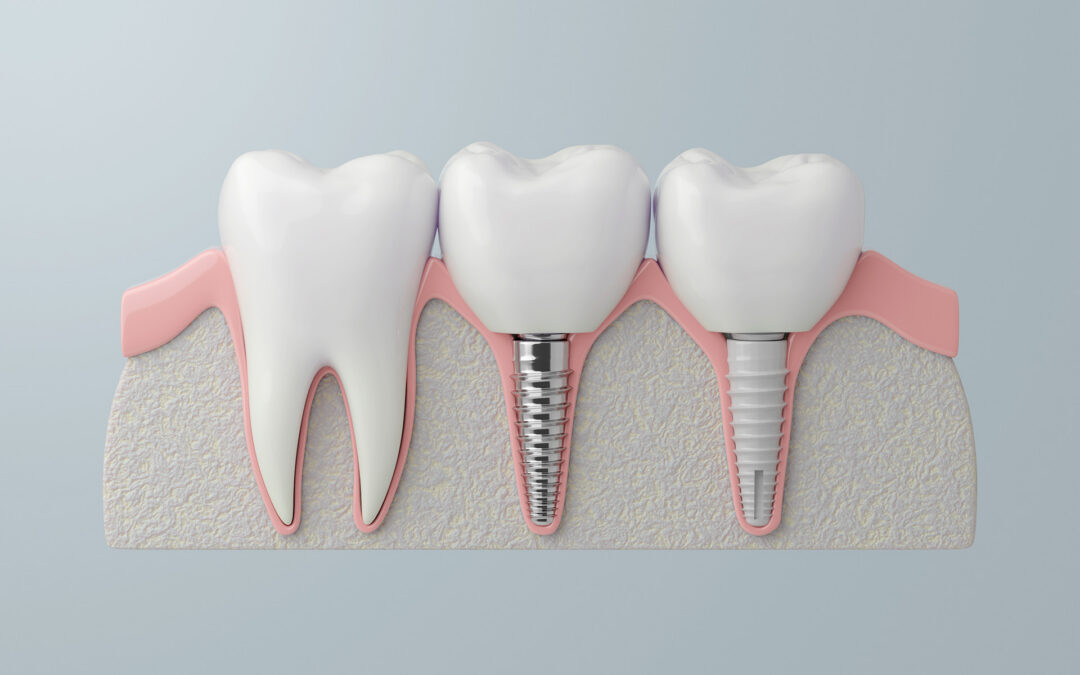
Dental implants are titanium or zirconia posts placed in the jawbone to replace missing tooth roots. They anchor a crown, bridge, or denture, restoring chewing function and a natural appearance. Unlike removable options, implants integrate with the bone for a stable, long-term solution.
Common options include single-tooth implants with individual crowns, implant-supported bridges for multiple missing teeth, and implant-retained dentures that use several implants to stabilize a full arch. Mini implants may be considered in select cases with limited bone.
Key benefits include improved chewing efficiency, preservation of jawbone and facial structure, no reliance on adjacent teeth, enhanced comfort and speech, and durable results with good home care and regular dental maintenance. Many patients find implants more predictable and natural-feeling than traditional dentures or bridges.
Insurance Coverage for Dental Implants
Dental insurance coverage for implants varies widely. Some PPO or premium plans offer partial benefits for the surgical placement of the implant, the abutment, and/or the final crown. Other plans exclude implants but may cover related services such as extractions, bone grafting, or the crown as a major procedure. Medical insurance can sometimes contribute when tooth loss is the result of an accident, certain medical conditions, or congenital anomalies, subject to medical necessity and plan rules. If you are wondering, does insurance cover dental implants, review both dental and medical policies to see where benefits may apply.
Typical exclusions and limitations include waiting periods for major services, annual maximums (often $1,000–$2,000), missing tooth clauses that deny benefits for teeth lost before the policy start date, and downgrades that pay the amount of a less costly alternative (for example, a bridge) instead of the implant. Plans may also cap the number of implants per arch, require preauthorization, or exclude bone grafts, membranes, and certain surgical materials.
To confirm your benefits, contact your insurance provider with specific procedure codes supplied by your dentist or specialist. Ask whether the plan covers the implant fixture (surgical placement), the abutment, and the crown separately, and verify any waiting periods, missing tooth clauses, annual and lifetime maximums, and preauthorization requirements. Request written confirmation of coverage and a breakdown of estimated out-of-pocket costs. A detailed pre-treatment estimate helps you avoid surprises and make informed decisions.
Cost Factors for Dental Implants
The total cost of an implant restoration typically includes several components: diagnostic imaging and consultation, surgical placement of the implant, abutment hardware, and the final crown, bridge, or denture. National averages for a single implant with crown commonly fall in the several-thousand-dollar range, while full-arch, implant-supported dentures or All-on-4 style solutions can be substantially higher.
Pricing varies based on practice location, the number of implants needed, whether bone grafting or a sinus lift is required, the materials selected (titanium vs. zirconia implants; porcelain vs. zirconia crowns), sedation options, laboratory fees, and the experience of your surgical and restorative providers. Complex cases or underlying medical conditions may influence treatment time, staging, and overall fees.
Financing can make implants more accessible. Many patients use Health Savings Accounts (HSA) or Flexible Spending Accounts (FSA) for tax-advantaged payments. Third-party financing with monthly payment plans is widely available, and some practices offer membership plans with discounts on select services. If you have dental or medical benefits, coordinating coverage across procedures and phases of care can reduce out-of-pocket costs. A personalized plan that aligns timing with annual maximums may optimize coverage.
How to Maximize Your Coverage
Obtain a comprehensive treatment plan with procedure codes and itemized fees.
Request a preauthorization or pre-treatment estimate from your insurer before starting.
Clarify annual maximums, waiting periods, and missing tooth clauses in writing.
Ask about downgrades and alternative benefits (bridge vs. implant) that may affect payouts.
Coordinate medical and dental benefits if trauma or medical conditions are involved.
Use HSA/FSA funds and consider structured financing to spread payments over time.
A common question is, does insurance cover dental implants for accidents or congenital conditions. In many cases, medical insurance may help when documentation supports medical necessity, but policies differ, so verify specifics with both insurers.
Ready to Explore Dental Implants?
With the right information and planning, dental implants can be a predictable, long-lasting solution. If you are still asking, does insurance cover dental implants, start by reviewing your plan booklet and requesting a written estimate. Speak with your dental team to review benefits, receive a tailored cost estimate, and map out a clear path to treatment. The goal is to understand coverage and make confident choices about your smile.
Dental implants replace missing teeth with a solution that looks, feels, and functions like a natural tooth. If you are comparing ceramic vs titanium dental implants, it helps to understand how each material performs in the mouth, what impacts healing and longevity, and who is a good candidate. Use this guide to discuss your options with your dentist or specialist and make a confident decision. Throughout this overview, we’ll revisit the key considerations in ceramic vs titanium dental implants to help you weigh benefits and trade-offs.
How Dental Implants Work
A dental implant is a small post placed in the jawbone to take the place of a missing tooth root. After healing, it supports a crown, bridge, or denture so you can chew comfortably and smile with confidence. Because implants stimulate the jawbone, they help maintain bone density and facial structure after tooth loss.
The typical process includes an exam with imaging, placement of the implant post, a healing period for osseointegration (bone fusing to the implant), placement of an abutment, and a custom-made restoration. Timelines vary based on bone quality, whether bone grafting is needed, and your general health.
Material choice matters because it influences healing, aesthetics, longevity, and maintenance. Titanium has the longest clinical track record, while ceramic provides a metal-free option with a naturally white appearance. Your gum line, bite, medical history, and smile goals all factor into the decision, and they’re central when comparing ceramic vs titanium dental implants for your specific case.
Benefits of Titanium Dental Implants
Titanium implants are known for strength and durability. Their high fracture resistance makes them a reliable choice in high-bite-force areas like the molars. Many titanium systems feature two-piece designs, which give your provider flexibility when restoring single or multiple teeth.
Decades of research support titanium’s success in routine and complex cases. This long history provides predictable protocols and a wide range of components that can be tailored to your anatomy.
Biologically, titanium integrates well with bone through osseointegration. Modern surface treatments promote bone cell attachment and efficient healing. For most patients, this leads to stable results, favorable healing timelines, and long-term function with good home care and regular checkups.
Advantages of Ceramic Dental Implants
Ceramic implants, commonly made from zirconia, offer a tooth-colored, metal-free alternative. In thin or receding gum tissue, the white material reduces the risk of a gray show-through that can occasionally occur with metal components, supporting an ideal smile line.
Ceramic is biocompatible and free of metal, which appeals to patients seeking a holistic option or those concerned about metal sensitivity. True titanium allergies are rare, but for patients with a history of metal sensitivities or certain medical considerations, ceramic can be a thoughtful choice.
Zirconia resists corrosion and is chemically stable in the mouth. Many ceramic implants are designed as one-piece units, eliminating a micro-gap between parts and potentially simplifying hygiene. When properly planned and maintained, they can deliver lasting stability and excellent esthetics.
Ceramic vs. Titanium: Key Differences
Feature
Titanium Implants
Ceramic (Zirconia) Implants
Appearance
Gray metal; generally not visible but may show in very thin gum tissue
White, tooth-like; helps prevent gray shimmer in thin or receded gums
Design
Often two-piece, offering angulation and component versatility
Often one-piece, which can simplify the interface but limits adjustments
Strength
Exceptional toughness; well suited for high-bite-force areas
High strength; improving designs support a wide range of cases
Biocompatibility
Excellent; long history of successful osseointegration
Excellent; metal-free option for those concerned about metals
Clinical Evidence
Decades of data with high long-term survival rates
Strong short- to mid-term data; growing long-term evidence
Maintenance
Well-established protocols and component options
Smooth, one-piece designs can aid hygiene in select cases
Cost
Varies by case and region; broad system availability
Often higher due to manufacturing and system availability
Longevity for both materials depends on thorough planning, precise placement, and consistent maintenance. Titanium implants have long-term survival data spanning decades. Ceramic implants show excellent results in current studies with maturing designs adding to the evidence. Both types require good oral hygiene, routine professional care, and protection from excessive forces such as uncontrolled clenching or grinding.
Costs vary based on practice, region, and case complexity. Ceramic systems are often priced higher. Insurance may assist with parts of treatment (such as the crown) but often excludes the implant post itself. A preauthorization and a detailed estimate from your provider will clarify expected costs for your specific plan.
Who Is a Good Candidate?
Gum line and smile esthetics: If your gums are thin or receded, ceramic’s white color may help in highly visible areas.
Bite forces and habits: Strong bite or grinding may favor titanium’s versatility and fracture resistance; night guards can help protect any implant.
Medical history: Titanium sensitivity is uncommon, but patients with metal concerns may prefer ceramic; your provider can discuss testing as needed.
Bone quality and anatomy: Complex angulation or limited bone may benefit from the component options available with titanium systems.
Hygiene and maintenance: One-piece ceramic designs can simplify cleaning in select cases, but both materials require excellent home care and regular visits.
What to Expect During Consultation and Treatment
Your consultation should include a clinical exam, digital imaging, and a clear discussion of risks, benefits, and alternatives for both materials. Ask about your provider’s experience with each system, expected healing timelines, and steps to protect your investment, such as temporary restorations, occlusal guards, or maintenance schedules.
If you have concerns about allergies or sensitivities, your dentist or specialist can guide appropriate testing and recommend materials that align with your medical history and goals. This is the ideal time to walk through ceramic vs titanium dental implants in the context of your gum health, bite forces, and aesthetic priorities, so your plan reflects the best evidence for your situation.
Making the Right Choice for Your Smile
There is no one-size-fits-all answer in the ceramic vs titanium dental implants discussion. Many patients benefit from titanium’s proven durability, flexibility, and extensive component options, especially for multi-tooth or full-arch restorations. Others place a premium on a metal-free approach and the natural appearance of ceramic, particularly in the front of the mouth.
With careful planning and routine maintenance, both materials can deliver a healthy, functional, and attractive smile for years. A personalized treatment plan, built around your anatomy, esthetic goals, and health considerations, is the best way to ensure predictable, long-lasting results. If you still have questions about ceramic vs titanium dental implants after reviewing these points, bring them to your consultation so your provider can tailor recommendations to your needs.
Recovery after wisdom teeth removal is a steady process that usually spans one to two weeks. With proper care, most people feel much better within a few days. Use this guide to understand what to expect, how to care for your mouth at home, and when to contact your dental team for help. Throughout this overview, you’ll find practical steps to support a smooth wisdom teeth removal recovery and recognize when to seek professional advice.
Understanding the Recovery Process
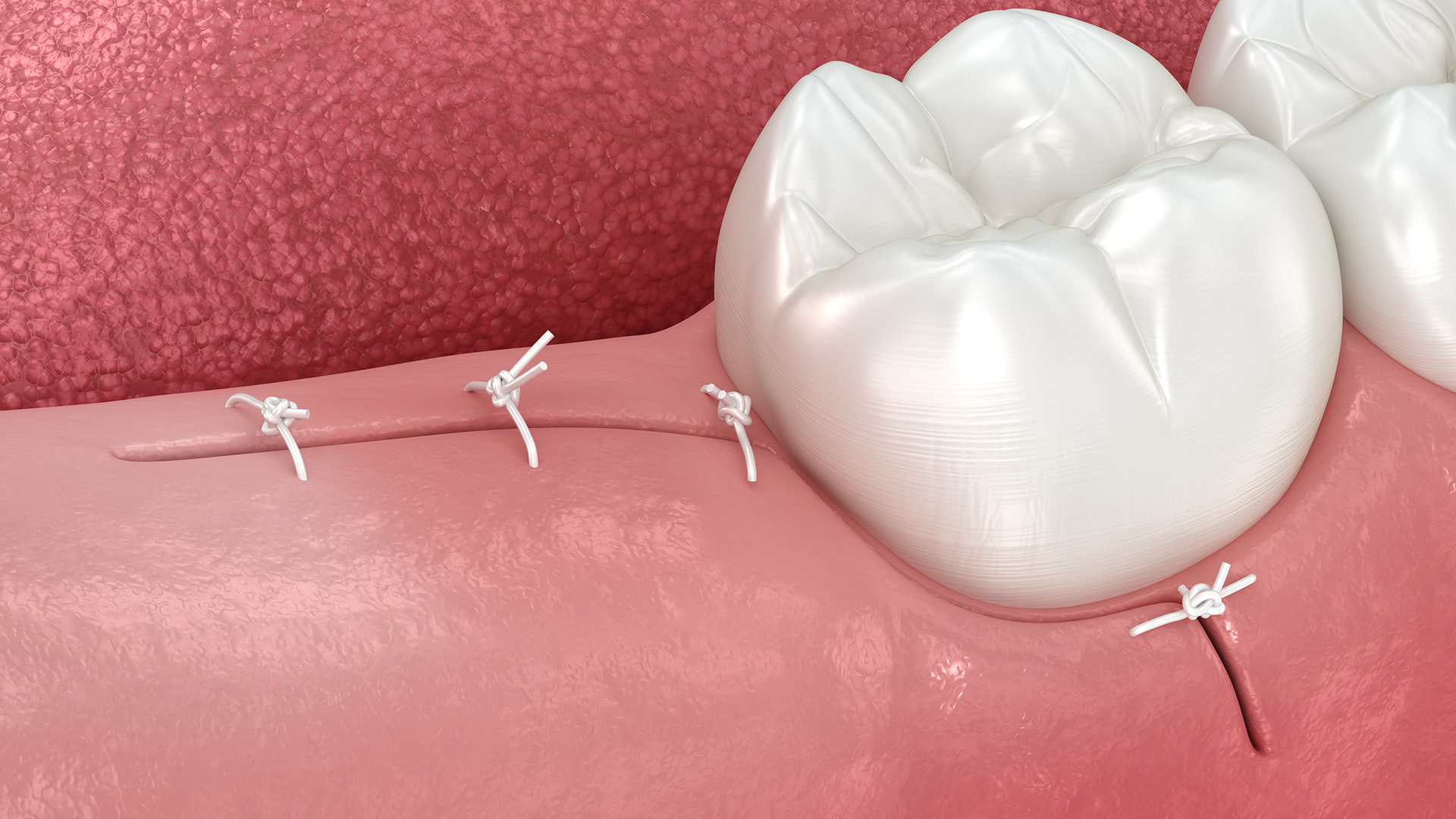
Most patients notice clear improvement by days 3 to 5, while soft tissues continue healing for several weeks. Mild swelling, soreness, and jaw stiffness are common early on and gradually resolve. In many cases, stitches dissolve on their own, depending on the material your provider used.
Typical timeline:
Day 1: Blood clot formation begins and protects the sockets. Expect oozing and mild bleeding.
Days 2–3: Swelling and soreness often peak, then start to lessen.
Days 4–7: Comfort and function improve steadily; many people resume routine activities.
Weeks 2–4: Ongoing tissue strengthening and reduction in tenderness around extraction areas.
During the first 24 hours, it’s normal to notice facial swelling and slight bleeding. Bruising along the jaw or neck may appear by day 2 or 3. Jaw stiffness usually eases as swelling goes down. A short-lived low-grade fever can occur; persistent fever should be reported. A bad taste or mild odor may occur early and typically improves once you begin gentle saltwater rinses after the first 24 hours, if approved by your provider. Understanding these expected changes can help you navigate wisdom teeth removal recovery with confidence.
Post-Operative Care Instructions
Good home care protects the blood clot, limits discomfort, and supports faster healing. Follow these essentials:
Bite lightly on gauze for the first hour and replace as directed until bleeding slows.
Rest with your head elevated for the first 24 to 48 hours.
Use a cold compress on the cheek for 15 minutes on and 15 minutes off during the first day to reduce swelling.
Begin gentle saltwater rinses 24 hours after surgery, several times daily and after meals, unless your provider advises otherwise.
Brush carefully, avoiding the extraction sites at first, then gradually clean closer to the area as tenderness decreases.
Know the signs of potential complications. Contact your dental office if you notice any of the following:
Increasing pain after initial improvement
Heavy bleeding that does not slow with pressure
Pus, worsening bad taste, or foul odor
Fever higher than 100.4°F
Persistent numbness or tingling
Swelling that worsens after day 3
These symptoms can indicate dry socket, infection, or other concerns. Always follow your dentist or oral surgeon’s instructions, as their guidance reflects your specific procedure and medical history. Attend follow-up visits, take medications as prescribed, and call if anything feels off. Careful adherence to these steps plays a major role in a successful wisdom teeth removal recovery.
Pain Management Strategies
Your provider may recommend alternating ibuprofen and acetaminophen to manage pain and reduce inflammation. If you are prescribed antibiotics or short-term prescription pain medication, take them exactly as directed. Avoid aspirin unless specifically instructed, as it can increase bleeding.
Comfort measures that complement medications include:
Cold compresses during the first 24 hours to help limit swelling
Brief warm compresses after day 2 if advised by your provider
Sleeping with your head elevated to reduce pressure and swelling
Gentle jaw stretches after the first couple of days to ease stiffness
Saltwater rinses (1/2 teaspoon salt in 8 ounces of warm water) to soothe tissues and help keep the area cleaner
Seek additional help if pain suddenly worsens after early improvement, if over-the-counter medications are not effective, or if you develop throbbing pain with an unpleasant taste or bad breath. These may be signs of dry socket, which your dental team can treat promptly. Effective pain control is a cornerstone of comfortable wisdom teeth removal recovery, helping you return to normal routines sooner.
Dietary Guidelines After Surgery
Choose soft, cool, and nutrient-dense foods that are easy to eat and won’t disturb the extraction sites. Start with cooler options on day 1, then transition to lukewarm and soft solids as comfort allows.
Recommended Foods
Foods to Avoid
Yogurt, applesauce, smoothies (no straws)
Chips, nuts, crusty bread, popcorn
Mashed potatoes, oatmeal, scrambled eggs
Spicy, very hot, or acidic foods
Cottage cheese, well-cooked pasta, blended soups
Sticky candies or foods that could dislodge the clot
Protein shakes and milkshakes (use a spoon)
Alcohol and carbonated drinks early in recovery
Stay well hydrated by sipping water frequently. Prioritize clear, non-acidic fluids. If you enjoy smoothies or protein shakes, use a spoon instead of a straw. Do not use straws or smoke, as suction can dislodge the clot and cause dry socket. Thoughtful food choices during the first week can reduce irritation and support a smoother wisdom teeth removal recovery.
Frequently Asked Questions
How long does recovery take? Most patients feel notably better within 3 to 5 days. Soft tissue healing continues for 2 to 4 weeks. Swelling often peaks around days 2 to 3 and then subsides. The full course of wisdom teeth removal recovery varies based on the number of teeth removed and the complexity of the procedure.
When can I return to normal activities? Many people return to school or desk work within 2 to 3 days if pain is controlled and physical exertion is limited. Avoid strenuous exercise, heavy lifting, and contact sports for at least a week or as directed. Do not drive until you are off prescription pain medication and feel fully alert.
What if recovery is not progressing as expected? Call your dental office if you have increasing pain after early improvement, persistent bleeding, fever, foul taste, difficulty opening your mouth, or swelling that worsens after day 3. Your provider can check for dry socket, infection, or other issues and adjust your care plan.
Can I brush and rinse right away? Avoid vigorous rinsing on day 1. Begin gentle saltwater rinses after 24 hours if approved, and brush carefully while avoiding the extraction sites initially. Gradually return to normal brushing and flossing as tenderness improves.What helps prevent dry socket? Do not smoke or vape, avoid straws, keep activity light, maintain good oral hygiene without disturbing the sites, and follow all medication and rinsing instructions. If you suspect dry socket, contact your provider promptly for treatment. These preventive steps are central to uncomplicated wisdom teeth removal recovery.
Oral surgery addresses conditions that routine dental care cannot, from impacted wisdom teeth to jaw joint disorders and deep infections. Recognizing the warning signs early helps protect your oral health, reduce complications, and shorten recovery time. If you are searching for the common signs you need oral surgery, the guide below explains what oral surgery includes, the symptoms that warrant a closer look, and how to prepare for a professional evaluation.
What Oral Surgery Involves
Oral surgery focuses on diagnosing and surgically treating problems involving the teeth, gums, jaws, and facial structures. These procedures are typically performed by an oral and maxillofacial surgeon and can range from simple extractions to complex jaw realignment.
Common procedures include wisdom tooth removal, surgical extractions, dental implant placement, bone grafting, treatment of temporomandibular joint (TMJ) disorders, corrective jaw surgery (orthognathic surgery), exposure of impacted teeth for orthodontic care, and biopsy or removal of oral lesions. Surgeons also treat facial trauma and manage infections that spread into the jaw or facial spaces.
Patients are often referred for issues such as impacted or symptomatic wisdom teeth, severe tooth fractures, missing teeth requiring implants, cysts or tumors in the mouth or jaw, chronic TMJ pain, bite or jaw alignment problems, and infections that do not respond to standard dental treatment.
Compared with general dentistry, oral surgery frequently involves deeper anesthesia options, advanced imaging, and surgical techniques for both bone and soft tissue. While your general dentist provides preventive care and restorative services like fillings and crowns, an oral surgeon manages conditions requiring specialized surgical training and equipment.
Key Signs You May Need Oral Surgery
Some symptoms are strong indicators that a surgical solution may be necessary. If you notice any of the following, schedule an evaluation promptly. Many of these are common signs you need oral surgery and should not be ignored:
Persistent or severe tooth and jaw pain: Ongoing pain that wakes you at night, returns when medication wears off, or does not respond to routine care can point to impacted teeth, cracked roots, deep decay, or TMJ disorders. If a tooth is nonrestorable or infection has reached the bone, extraction or another surgical procedure may be recommended.
Difficulty opening or chewing: Limited mouth opening (trismus), jaw locking or popping, and pain that flares with eating or speaking may signal TMJ dysfunction, muscle spasm, infection, or a structural joint problem. If conservative treatments fail, surgical assessment can clarify next steps.
Swelling, lumps, or nonhealing sores: Rapidly developing swelling that feels warm or tender, especially with fever, can indicate an abscess requiring surgical drainage. Firm or persistent lumps, patches or ulcers that do not heal within two weeks, or changes in the color or texture of oral tissues should be evaluated and may require a biopsy.
Wisdom tooth discomfort or crowding: Pain, pressure, or shifting teeth may suggest impacted wisdom teeth causing gum irritation, decay in neighboring teeth, or cyst formation.
Unexplained loose teeth: Mobility without signs of periodontal disease can point to underlying jawbone issues, infection, or cystic lesions that need surgical management.
Facial numbness or tingling: Changes in sensation can signal nerve irritation or pressure from impacted teeth, cysts, or other lesions.
Sudden bite changes: A bite that feels different without an obvious cause may indicate jaw joint problems, trauma, or infection affecting jaw alignment.
Recurring sinus pressure linked to upper tooth pain: This pattern can be associated with maxillary tooth infections or sinus-tooth communication that may require surgical treatment.
When to Seek Professional Help
If you experience ongoing pain, swelling, or changes in jaw function, see your dentist promptly. They will examine your mouth, take X-rays, and determine whether a referral to an oral and maxillofacial surgeon is appropriate. Early diagnosis reduces the risk of infection spread, bone loss, nerve complications, and more extensive procedures later. Understanding the early signs you need oral surgery can help you act before problems escalate.
During your consultation, consider asking:
What is the underlying cause of my symptoms?
Are there nonsurgical options, and what are their success rates?
Which surgical procedure do you recommend and why?
What are the risks, benefits, and expected outcomes?
What type of anesthesia will be used, and who monitors it?
How long is recovery, and what restrictions should I expect?
What costs are involved, and will my insurance cover part of the treatment?
Choosing an oral surgeon is an important step. Look for board certification, experience with your specific procedure, clear communication, and positive patient reviews. For complex cases, verify hospital or surgery center privileges and ask about technology used, such as 3D imaging. Make sure you feel confident in the surgeon’s approach and the practice’s post-operative support.
Preparing for Your Oral Surgery Consultation
At your visit, expect a review of your medical and dental history, a clinical exam, and imaging such as panoramic X-rays or a 3D cone beam CT scan. Your surgeon will explain the diagnosis, treatment options, anesthesia choices, and a personalized plan, including recovery timelines and after-care instructions.
Bring the following to your appointment:
A current list of medications and supplements
Medical conditions, prior surgeries, and allergies
Referral notes from your dentist or orthodontist
Recent dental X-rays, if available
Insurance information
A list of questions and your treatment goals
Preparing ahead can make the process smoother. Understand each step of care, clarify comfort and recovery expectations, and follow any pre-appointment instructions. Arrange transportation if sedation may be used, eat as directed by the office, and wear comfortable clothing. If you feel anxious about dental procedures, tell the team so they can discuss sedation options and supportive strategies.
Before the Visit
Day of the Visit
After the Visit
Gather records, medication list, and insurance details
Arrive early; bring questions and referrals
Review your treatment plan and cost estimate
Record symptom patterns (pain, swelling, triggers)
Confirm transportation if sedation is planned
Schedule the procedure and plan time off for recovery
If you have severe pain, fever, spreading swelling, difficulty breathing, or trouble swallowing, seek urgent care immediately. Otherwise, a timely evaluation will help determine whether oral surgery is the right solution and get you back to comfort and health with confidence. Keep this checklist of signs you need oral surgery handy so you can quickly recognize when to seek expert care.