Jaw bone grafting restores lost or weakened bone so it can support healthy teeth, dental implants, and overall facial structure. In an oral bone graft, clinicians collaborate with trusted oral surgeons and restorative dentists to plan grafts that complement orthodontic or implant treatment. Below, we outline what jaw bone grafting is, why it may be recommended, how the procedure works, and what to expect during recovery, so you can make informed decisions about your oral health. When performed thoughtfully, a bone graft mouth procedure can help rebuild areas affected by tooth loss or gum disease and improve long-term oral function.
What Is Jaw Bone Grafting?
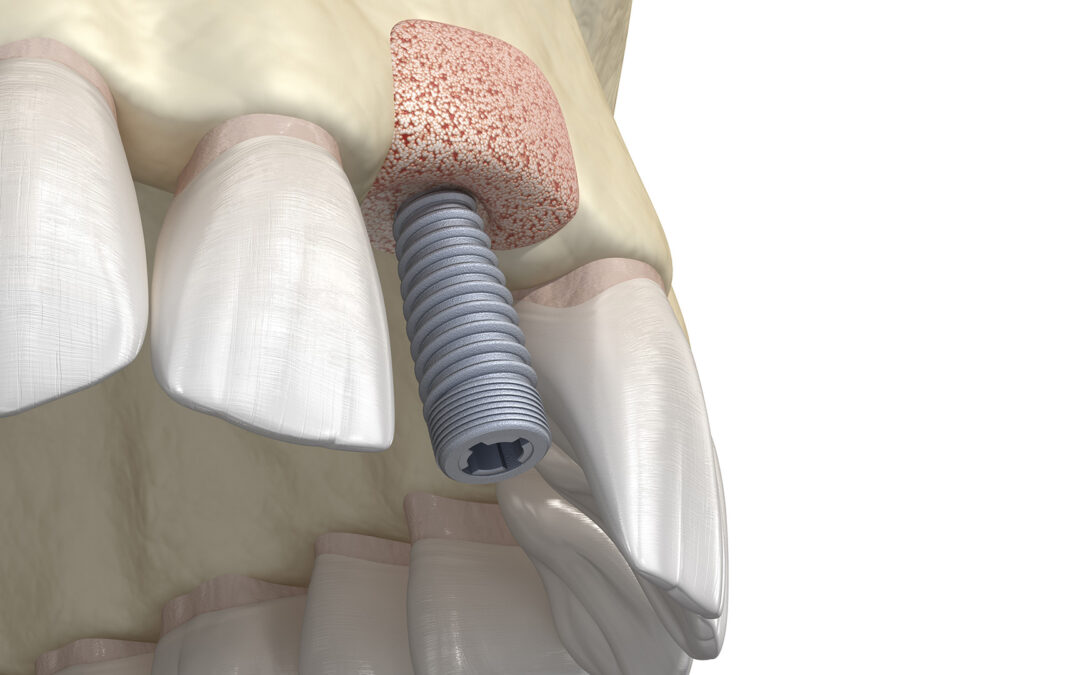
Jaw bone grafting adds or regenerates bone where volume or density has diminished. The aim is to build a stable foundation for teeth and dental implants, while supporting natural facial contours. An oral bone graft is tailored to the unique demands of the mouth and may be used to improve implant sites or stabilize teeth weakened by bone loss.
Common graft materials include:
Autograft: your own bone, often from the chin or another donor site
Allograft: processed donor bone
Xenograft: bone from animal sources, typically bovine
Alloplast: biocompatible synthetic materials that encourage bone growth
Your provider will recommend the option best suited to your health, anatomy, and treatment plan. In a bone graft mouth procedure, material choice and placement technique are selected to promote predictable healing and integration with your natural bone.
Grafting in the jaw is tailored to the unique demands of the mouth, chewing forces, precise implant positioning, and proximity to the sinuses. Techniques such as ridge augmentation, socket preservation, and sinus lifts are customized to your jaw anatomy and the timing of orthodontic or implant therapy. These approaches are part of comprehensive care planning for jaw bone grafting, ensuring that oral bone graft outcomes align with long-term restorative or alignment goals.
Why Is Jaw Bone Grafting Necessary?
Several conditions can reduce jaw bone volume, including periodontal disease, long-standing tooth loss, trauma, congenital defects, and infection. Jaw bone grafting is often recommended to stabilize an area before orthodontic alignment or implant placement. By reinforcing compromised sites, an oral bone graft can improve tooth stability and prepare for future restorations.
Dental implants require strong, healthy bone to integrate and remain secure. When bone is insufficient, an implant may not be feasible or could fail prematurely. By rebuilding deficient areas, a bone graft mouth procedure helps create predictable implant outcomes and long-term stability for crowns, bridges, or overdentures.
After a tooth is removed, the surrounding bone naturally resorbs over time. This can alter your bite, impact facial aesthetics, and complicate future restorations. Jaw bone grafting can preserve the ridge immediately after extraction (socket preservation) or reconstruct areas that have thinned, supporting both function and appearance. In cases of advanced sinus pneumatization, sinus lift techniques can increase vertical bone height for implant placement.
The Jaw Bone Grafting Procedure
While specifics vary by case, the typical process includes:
Assessment and imaging (X-rays or 3D scans) to determine graft size and placement
Site preparation, including careful cleaning and shaping
Placement of the graft material and, when indicated, a protective membrane
Stabilisation with sutures and detailed post-operative instructions
For sinus lift procedures, the sinus floor is gently elevated and graft material is placed to increase vertical bone height, creating space and support for future implants. This is a specialized form of oral bone graft aimed at reinforcing the upper jaw.
Your comfort is a priority. Local anesthesia is typically used, and some patients may opt for sedation depending on the complexity of the procedure and personal preference. Your clinician will review your medical history, discuss options, and recommend a safe, personalized plan.
Post-procedure care focuses on protecting the graft as it begins to heal. Typical guidance includes:
Take prescribed medications exactly as directed
Use cold compresses during the first 24-48 hours to reduce swelling
Choose soft foods and avoid chewing on the grafted side
Keep the area clean with gentle rinsing as instructed; avoid vigorous spitting
Do not smoke, vape, or use straws during early healing
Attend all follow-up visits with your surgical and dental providers
Following these steps helps ensure a bone graft mouth site remains undisturbed, promoting healthy integration.
Recovery and Expected Outcomes
Initial recovery typically takes 1-2 weeks, though full graft maturation generally occurs over 3–6 months. During this time, the graft integrates with your natural bone, strengthening the jaw for future orthodontic movement or implant placement. With appropriate care, jaw bone grafting can offer durable support for replacements and improve chewing function.
Healthy healing usually involves decreasing swelling within a few days, manageable discomfort, pink and healthy gum tissue, and no persistent drainage. Contact your care team promptly if you experience any of the following:
Prolonged or increasing pain
Fever or unusual swelling
Persistent bleeding
Graft exposure or membrane loosening
Persistent numbness
Long-term success depends on consistent follow-up and excellent oral hygiene. Regular check-ups, professional cleanings, and daily home care, twice-daily brushing, interdental cleaning, and a balanced diet, help maintain healthy bone and gums. When coordinated with comprehensive treatment planning, oral bone graft procedures create a reliable foundation for precise tooth movement and durable implant restorations. Understanding the indications, process, and recovery for jaw bone grafting empowers you to make informed choices that support a functional, confident smile.
Choosing dental implants is a meaningful step toward restoring the comfort, function, and appearance of your smile. This guide outlines your dental implant options, the factors that influence selection, how treatment works from start to finish, and why patients trust experienced clinicians for durable, natural-looking results.
Understanding the Types of Dental Implants
Modern dental implants are designed to look, feel, and function like natural teeth. We focus on proven implant systems and precise planning to deliver predictable, long-term outcomes. Your recommended approach depends on your bone structure, the number of missing teeth, and your desired aesthetic and functional results. When exploring dental implant options, understanding the core types of dental implants helps you make informed choices.
Endosteal implants: the most common option
Placed directly into the jawbone, endosteal implants act like artificial roots that support single crowns, implant-supported bridges, or full-arch restorations.
They offer excellent durability and stability, recreating natural chewing function and maintaining a seamless appearance within your smile.
Because of their compatibility with modern imaging and guided placement, endosteal implants are the solution most often recommended for predictable outcomes among the types of dental implants.
Subperiosteal implants: for limited bone support
Subperiosteal implants rest on top of the jawbone beneath the gum tissue using a custom framework to support the restoration.
This approach may be considered when traditional bone support is insufficient and bone grafting is not preferred.
Careful evaluation of candidacy prioritizes comfort, stability, and aesthetic integration while minimizing invasive procedures within available dental implant options.
Single versus multiple implants
Single implants replace one missing tooth with a standalone post and crown, preserving adjacent teeth by avoiding the need to alter healthy enamel for a traditional bridge.
Multiple implants can replace several teeth or support a full arch, improving bite efficiency and reducing pressure on the gums compared to removable dentures.
Treatment teams customize the number, position, and angle of implants to optimize strength, symmetry, and long-term performance for your specific case.
By reviewing the types of dental implants, you can compare benefits and limitations and select the solution that best aligns with your health and goals among today’s dental implant options.
Key Factors When Choosing Your Implant Solution
Your ideal implant option depends on a combination of clinical and personal considerations. Comprehensive evaluations help design a treatment plan that supports lasting health and a natural-looking smile. These factors apply across the spectrum of dental implant options and the different types of dental implants available.
Bone density, volume, and osseointegration
Adequate bone volume and density are essential for implant stability and osseointegration—the process where bone naturally fuses with the implant for a secure foundation.
3D imaging can assess bone quality, map vital structures, and plan precise implant placement that reduces risk and enhances comfort.
If needed, bone grafting or ridge preservation can strengthen the site, improving long-term success and allowing for the most conservative approach possible.
Lifestyle and oral health considerations
Habits such as smoking, bruxism, and inconsistent oral hygiene can influence implant selection, healing timelines, and maintenance needs.
Your athletic activities, dietary preferences, and cosmetic goals help inform decisions around materials, restoration design, and protective devices like nightguards.
Practical guidance for home care and routine check-ups helps keep implants healthy and protect your investment.
Durability, maintenance, and long-term value
High-quality materials combined with precision surgical and restorative techniques promote longevity and a natural feel.
Routine dental visits, daily brushing and flossing, and wearing a nightguard if you grind your teeth help maintain function and aesthetics.
Well-designed restorations can be repairable and straightforward to maintain, reducing lifetime costs and downtime while preserving your smile.
The Dental Implant Process: What to Expect
The implant process is streamlined and patient-focused, so you know what to expect at every stage. From initial consultation to final restoration, comfort and clarity guide your care when considering dental implant options.
Step-by-step overview
Consultation and imaging: Your medical and dental history is reviewed, digital X-rays and 3D scans are taken, and a precise treatment plan tailored to your needs is created.
Pre-treatment optimization: If necessary, bone grafting, gum care, or other preparatory procedures are completed to ensure a stable foundation.
Implant placement: The implant is placed under local anesthesia using meticulous technique and, when indicated, guided surgery to maximize comfort and accuracy.
Healing and integration: Over several weeks, the implant integrates with your bone. During this phase, you’ll follow personalized aftercare guidance to support healing.
Abutment and restoration: Once integration is confirmed, a connector called an abutment is attached, and a custom crown, bridge, or full-arch solution is designed and secured.
Recovery timeline and aftercare
Mild swelling or tenderness is common for a few days and is manageable with simple home care instructions.
Most patients resume normal activities within 24–48 hours, following recommendations for diet, oral hygiene, and activity modifications as needed.
Detailed aftercare tips help protect the implant site, promote healthy gums, and support smooth integration.
Importance of follow-up
Scheduled visits allow monitoring of healing, verification of implant stability, and adjustment of your bite if needed.
Regular check-ups and cleanings keep your implant and surrounding gums in optimal condition.
Proactive care helps identify minor issues early, preventing more complex treatment and preserving long-term success.
Benefits of Choosing Dental Implants
Dental implants are a long-term solution with significant benefits for comfort, appearance, and oral health. Patients consistently report a natural feel, improved confidence, and reliable function when selecting from various dental implant options.
Aesthetics and function that feel natural
Custom-shaped crowns and restorations are crafted to match the shade and contours of your natural teeth for a realistic, seamless look.
Stable bite mechanics allow you to chew comfortably and speak clearly without slipping or clicking.
Implants help support facial contours, reducing the sunken appearance that can occur with missing teeth.
Oral health and overall well-being
Implants stimulate the jawbone, helping to maintain bone density and reduce future bone loss.
They do not rely on adjacent teeth for support, preserving natural enamel and alignment compared to traditional bridges.
Improved chewing efficiency can support better nutrition and enhance quality of life.
Long-term value and cost-effectiveness
Although the initial investment can be higher than alternatives, implants are designed for longevity with fewer replacements over time.
Durable materials and conservative maintenance help minimize lifetime costs.
Transparent pricing and phased treatment planning can help you budget confidently for each step.
Frequently Asked Questions About Dental Implants
Informed decisions lead to better outcomes. Here are answers to common questions about dental implant options, care, and the types of dental implants available today.
Common concerns and misconceptions
Pain and downtime: With modern techniques and local anesthesia, most patients report minimal discomfort and a quick recovery.
Age limitations: Eligibility is determined by overall health and bone quality, not just age.
Appearance: Today’s implant restorations are customized to match your natural teeth in shade and shape for a discreet result.
Insurance and financing
Coverage varies by plan; teams can help you understand benefits, submit pre-authorizations, and estimate out-of-pocket costs.
Flexible financing options and staged treatment may make implants more accessible.
Clear estimates and payment options are typically provided before treatment begins so there are no surprises.
Success rates and satisfaction
With proper care, dental implants have high success rates and can last for decades.
Routine hygiene visits and consistent home care keep implants healthy and comfortable.
Patients frequently report improved confidence, function, and satisfaction with their results.
Ready to learn more about your dental implant options? Consider a personalized consultation to review the types of dental implants, compare approaches, and discover a solution tailored to your smile.
Wisdom teeth, or third molars, are the last adult teeth to develop and erupt. For many people, these teeth do not have adequate room to come in properly, which can lead to issues that affect comfort, gum health, and tooth alignment. Knowing when removal is recommended allows you to prevent complications such as pain, infection, crowding, and damage to nearby teeth. This page explains why you may need your wisdom teeth removed, what is the purpose for wisdom teeth, and addresses the common question of why do we need wisdom teeth, so you can make informed decisions about evaluation and timing.
Understanding Wisdom Teeth
Wisdom teeth are located at the very back of the upper and lower jaws, behind the second molars. Historically, they aided in chewing tougher foods, but modern diets and generally smaller jaws mean these teeth often don’t have enough space to grow straight and fully erupt. Most people have four wisdom teeth, though some may have fewer—or none at all. When considering what is the purpose for wisdom teeth, it helps to recognize that their evolutionary role in grinding fibrous foods is less relevant today, which partly explains why you may need your wisdom teeth removed.
These molars typically begin to emerge between ages 17 and 25, but the timeline varies. Some third molars remain beneath the gums or within the jawbone. Early evaluation in the late teenage years gives your dental and orthodontic team time to monitor their development, assess available space, and plan to protect your alignment and long-term oral health. Asking why we need wisdom teeth is common; for many individuals, the lack of space and cleaning challenges mean these teeth can become liabilities rather than assets.
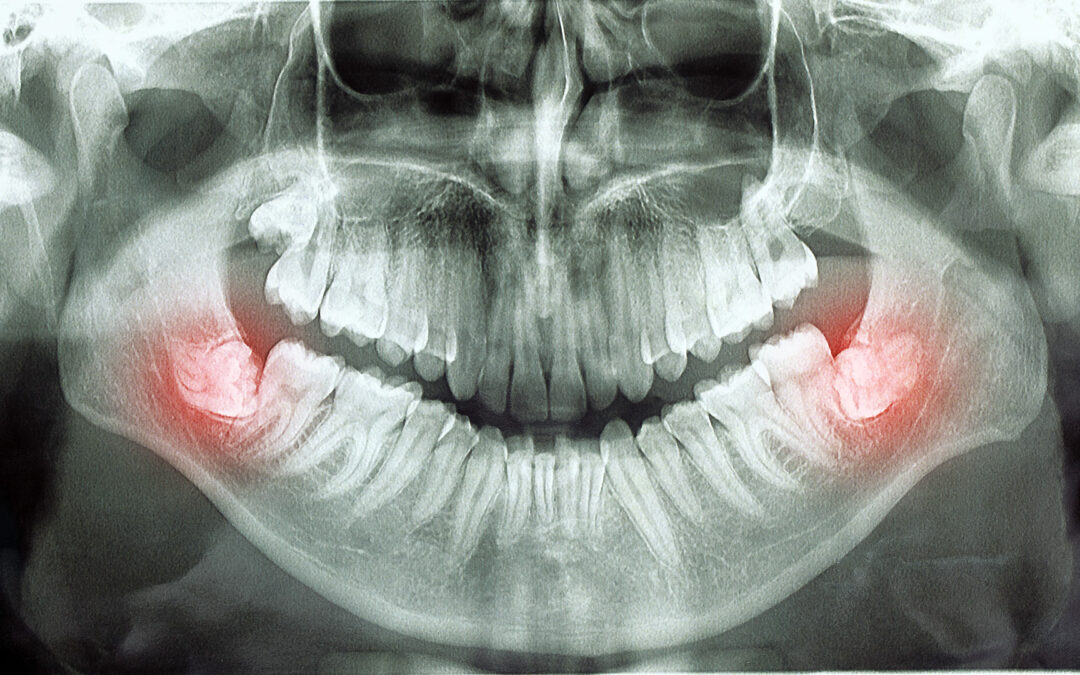
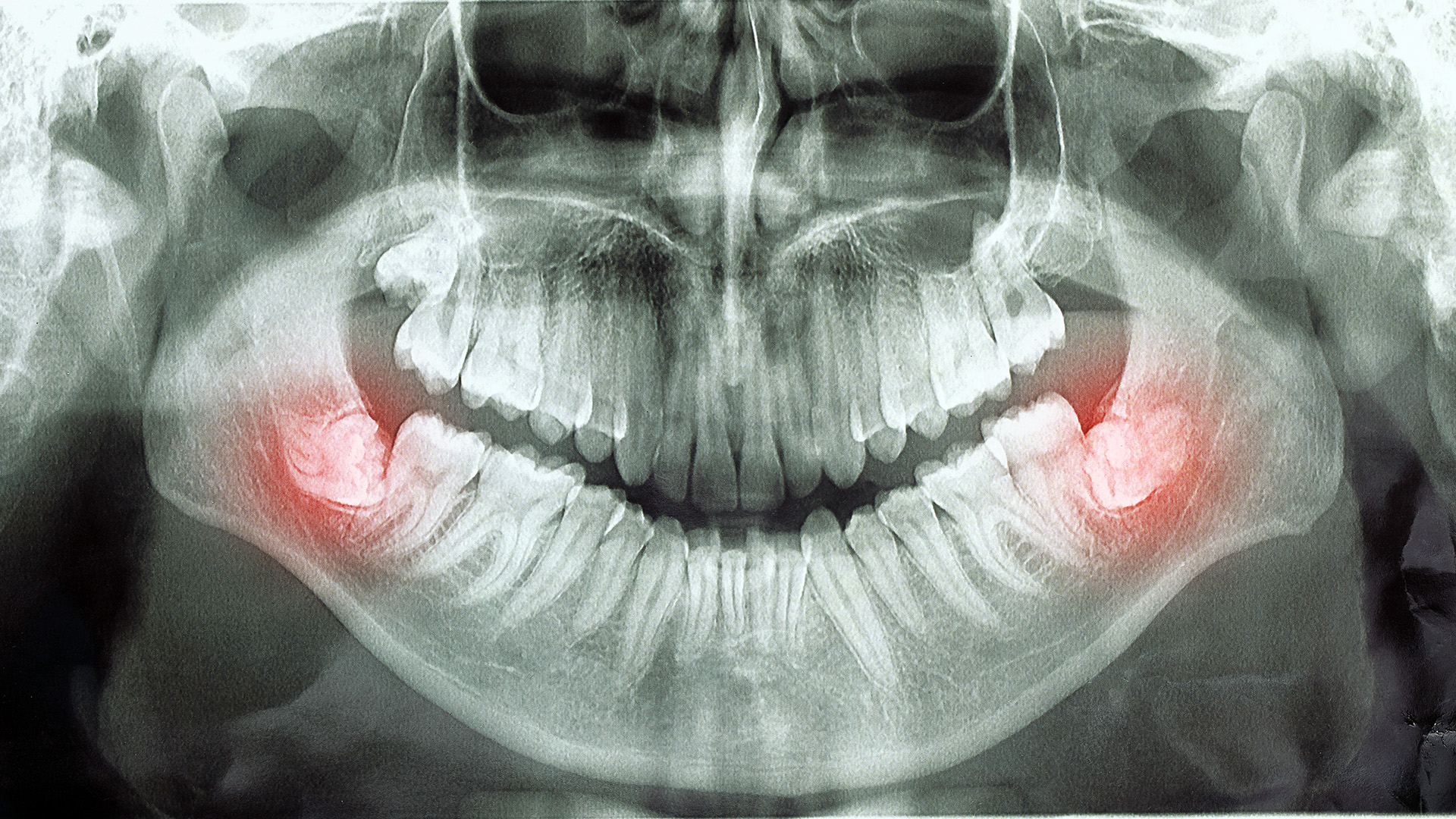
Because of their position and angulation, wisdom teeth can erupt in several ways: straight up, tipped toward neighboring teeth, angled toward the cheek or tongue, or lying horizontally under the gums. Their location makes it challenging to brush and floss effectively. When they are partially erupted or impacted, plaque and bacteria can accumulate around the gum tissue, increasing the risk of decay, inflammation, and infection. These factors contribute to why you may need your wisdom teeth removed, even if you understand what is the purpose for wisdom teeth from a historical perspective.
Common Reasons for Wisdom Teeth Removal
Impaction and structural damage:Impaction occurs when a wisdom tooth is blocked from erupting correctly by bone, gum tissue, or adjacent teeth. Impacted teeth may press against the second molars, damage roots, or contribute to bone loss. They can also form cysts or, more rarely, tumors that affect jaw structures. Food and bacteria often become trapped beneath the gum flap over an impacted tooth, leading to irritation and recurrent infections. Removing impacted wisdom teeth can prevent pain and help protect the integrity of your teeth and jawbone, which explains why you may need your wisdom teeth removed despite wondering why we need wisdom teeth.
Crowding and alignment concerns: Third molars that push forward can place pressure on existing teeth, contributing to crowding or bite changes. For patients who have completed braces or clear aligner therapy, this is particularly important: unwanted movement may diminish your orthodontic results. In select cases, proactive removal reduces the risk of shifting and supports long-term stability of your smile. Even when reflecting on what is the purpose for wisdom teeth, the potential for crowding often leads to removal.
Infection and gum disease: Partially erupted wisdom teeth often create a pocket that is difficult to clean. This can cause pericoronitis, an inflammatory condition in the gum tissue around the tooth, resulting in swelling, tenderness, bad breath, and a bad taste. Persistent inflammation can spread, increasing the risk of broader periodontal problems. If hygiene is consistently challenging or infections recur, removal may be recommended to support gum health. These hygiene limitations can make the answer to why you may need your wisdom teeth removed clear, even for those asking why do we need wisdom teeth in the first place.
Other treatment-related reasons: Your dental team may suggest removal when tooth decay is present in a location that is hard to reach and restore, when recurrent pain or swelling is linked to the third molars, or when imaging shows cysts, bone changes, or damage to neighboring roots. In some orthodontic plans, removal can also make future tooth movement more predictable or help evaluate jaw growth without interference from problematic third molars. Balancing what is the purpose for wisdom teeth with modern oral health needs often supports timely removal.
Signs You May Need a Consultation
Pain or pressure at the back of the mouth: Discomfort behind the last molars, aching in the jaw, or sharp pain when chewing can indicate impacted or partially erupted wisdom teeth. Some patients experience headaches or earaches due to referred pain. If your symptoms recur or intensify, it’s a good time to schedule an evaluation to learn why you may need your wisdom teeth removed.
Swelling, infection, or limited opening: Tender or red gums near the wisdom teeth, a persistent bad taste, or difficulty opening your mouth may signal inflammation or infection. You might notice puffiness in the cheeks or bleeding when brushing around the back molars. Prompt assessment helps prevent complications and protects the surrounding teeth and tissues, and can answer questions like what is the purpose for wisdom teeth and why do we need wisdom teeth when symptoms arise.
New crowding or bite changes: Overlapping front teeth, shifting after orthodontic treatment, or increased tightness when flossing near the back molars can be signs that third molars are exerting pressure. If you’ve completed braces or clear aligners, regular monitoring of wisdom teeth is important to maintain your results. Dental teams review X-rays, measure available space, and collaborate to determine if and when removal may help sustain a healthy alignment and clarify why you may need your wisdom teeth removed.
Consider booking a consultation if you notice any of the following:
Ongoing jaw soreness or pressure near the last molars
Gum swelling, bad breath, or repeated infections around the wisdom teeth
New crowding or bite changes, especially after orthodontic treatment
Difficulty keeping the back molars clean despite good home care
What to Expect During Evaluation and Treatment
During your evaluation, your oral surgery team will examine your mouth and review panoramic X-rays or 3D imaging to assess tooth position, root development, and available space. They consider your age, symptoms, gum health, and orthodontic history to determine whether observation, improved hygiene strategies, or removal is the best approach. Not all wisdom teeth need to be removed; in some cases, careful monitoring is appropriate if the teeth are healthy, fully erupted, and easy to keep clean. This balanced approach addresses what is the purpose for wisdom teeth and helps answer why we need wisdom teeth in modern oral care.
If removal is recommended, a dentist or an oral surgeon will discuss the procedure, anesthesia options, recovery timeline, and aftercare instructions. Most extractions are completed in a single appointment. Post-operative care typically includes rest, cold compresses, and over-the-counter or prescribed pain relief as needed. Following instructions on oral hygiene, diet, and activity helps reduce swelling and supports smooth healing. Understanding these steps can clarify why you may need your wisdom teeth removed and what to expect throughout the process.
How Dental and Orthodontic Teams Support Your Smile
The goal is to help you protect your alignment and overall oral health. Care teams often work in partnership to:
Evaluate how your wisdom teeth may affect your bite, spacing, and stability
Time removal, when appropriate, to safeguard orthodontic results
Coordinate imaging and communication across providers
Provide guidance on retainers and long-term maintenance after treatment
Whether you’re preparing for orthodontic treatment or maintaining your results, you’ll receive clear information about what is the purpose for wisdom teeth, why do we need wisdom teeth, and why you may need your wisdom teeth removed based on your specific situation.
Schedule a Wisdom Teeth Evaluation
If you’re experiencing discomfort, noticing changes in your bite, or want to plan ahead before starting orthodontic treatment, consider booking a consultation. A thorough review of your X-rays, your goals, and your oral health history can help determine whether monitoring or removal is the right next step for your smile. This evaluation can also address common questions, including what is the purpose for wisdom teeth and why do we need wisdom teeth today, and provide personalized guidance on why you may need your wisdom teeth removed.
Bone grafting for dental implants is a reliable method to rebuild jawbone volume and density so implants can be placed securely and function for many years. Our team carefully evaluates your oral health, bone quality, and treatment goals to determine the most appropriate grafting approach before implant placement. If you have experienced bone loss due to tooth extraction, gum disease, infection, trauma, or natural resorption, grafting can restore the foundation needed for stable, natural-looking results. Below, you’ll find a clear overview of how bone grafting works, the main graft options, what happens during the procedure, and practical recovery guidance. Understanding the process helps you make confident decisions as you plan your path to a stronger, healthier smile. For many patients, a bone graft for implant planning is completed ahead of time, and those asking about “bone graft teeth” often want to know how the graft supports neighboring teeth and future implant stability.
Understanding Bone Grafting
Bone grafting for dental implants is a proven technique used to rebuild or augment areas of the jaw where bone has thinned, resorbed, or become uneven. The primary aim is to create a stable, healthy foundation so an implant can integrate securely with the jawbone. Clinicians collaborate closely to assess your bone anatomy and determine whether grafting should be completed before, or in some cases in conjunction with, implant planning. Many people refer to this as a bone graft for implant preparation, and some use the phrase bone graft teeth when discussing grafts placed after extractions to preserve ridge shape.
Successful implants depend on adequate bone density, volume, and blood supply. Dense, well‑vascularized bone supports osseointegration, the natural process where the implant fuses to the jaw. If bone is too thin, porous, or irregular, it can compromise implant stability, alignment, and long-term function. Comprehensive imaging, such as 3D scans, and clinical assessment allow clinicians to measure bone quantity and quality, ensuring your plan accounts for chewing forces, bite dynamics, and preservation of facial structure. In many cases, bone grafting for dental implants restores the foundation needed so a bone graft for implant placement can be timed appropriately.
Several situations can make grafting advisable. Common scenarios include long-standing gaps after tooth loss leading to resorption, periodontal (gum) disease that reduces supporting bone, trauma or infection that damages bone tissue, and congenital or developmental differences affecting jaw anatomy. In the upper jaw, limited bone beneath the sinuses may restrict implant placement and sometimes requires sinus augmentation to create sufficient height. If you are considering dental implants, a clinician will discuss whether bone grafting for dental implants aligns with your goals and design a personalized plan for predictable, lasting results, including whether a socket preservation bone graft teeth procedure is recommended immediately after extraction.
Types of Bone Grafts
Choosing the right graft material is key to rebuilding bone effectively and supporting implant success. Understanding the main graft types can help you and your specialist select the best option for your diagnosis, comfort, and timeline. These choices apply whether you need a bone graft for implant placement in a single site or broader ridge preservation sometimes referred to as bone graft teeth care.
Autografts (your own bone): Autografts are harvested from your body, commonly from areas such as the jaw or chin, and occasionally the hip. They are often considered a gold standard because they contain living cells and natural growth factors that can promote robust integration and bone regeneration at the graft site. Your oral surgery partner will review your anatomy, medical history, and extent of bone loss to determine whether an autograft is appropriate for bone grafting for dental implants.
Allografts (donor bone): Allograft materials come from carefully screened human donors and are processed to ensure safety and biocompatibility. They eliminate the need for a second surgical site and provide a scaffold that supports new bone growth. For many patients, allografts offer a reliable way to rebuild volume and dimensions needed for implant placement, with selection guided by clinical needs, healing goals, and anticipated timelines. This option is frequently used in bone graft teeth socket preservation and in a bone graft for implant preparation where a second surgical site is not desired.
Synthetic grafts (man‑made materials): Synthetic options, such as biocompatible ceramics or polymers, are engineered to act as a scaffold that encourages your body to regenerate bone. Advantages include consistent quality, readily available supply, and removal of donor-related variables. Teams use proven synthetic materials when appropriate to streamline healing and achieve a stable foundation for implants, particularly when timing a bone graft for implant placement after imaging confirms readiness.
Your provider will recommend the graft type that best matches your diagnosis, preferences, and long-term implant success, and will explain how each option supports your specific treatment plan. This guidance is especially helpful for patients comparing approaches to bone grafting for dental implants and those asking whether bone graft teeth preservation at extraction could reduce the need for later augmentation.
The Bone Grafting Procedure
Understanding what happens during bone grafting for dental implants helps you feel prepared. The process begins with a thorough evaluation, including imaging to assess bone volume, density, and anatomy. If grafting is recommended, the site is cleaned and prepared, graft material is placed to augment the jawbone, and a protective membrane may be positioned to stabilize the area and guide tissue healing. The gum is then sutured, and the site is allowed to heal before your implant is placed at a later visit, unless a simultaneous approach is appropriate for your case. In some instances, a bone graft for implant planning may occur right after extraction to preserve the socket, commonly called bone graft teeth or socket preservation.
During the procedure, you can expect a calm, step‑by‑step experience. After anesthesia is administered, the area is numbed so you should not feel pain, though you may notice gentle pressure or vibration. The appointment typically lasts 45 to 90 minutes, depending on the extent of grafting and the number of sites involved. After the procedure, mild swelling and tenderness are common; clinicians provide detailed aftercare instructions covering oral hygiene, diet, and tips to manage discomfort and support optimal healing. These instructions apply whether you had socket preservation (bone graft teeth) or ridge augmentation as part of bone grafting for dental implants.
Several anesthesia options may be available, and the safest, most comfortable fit is chosen based on your medical history, anxiety level, and treatment complexity. Local anesthesia numbs the graft area and allows you to remain awake with minimal downtime. Nitrous oxide (laughing gas) can be added to reduce anxiety while keeping you responsive. For deeper relaxation, oral sedation or IV sedation may be appropriate; these options require an escort and additional recovery time. This tailored approach helps ensure your bone graft for implant preparation is both comfortable and effective.
Recovery After Bone Grafting
Most patients experience mild swelling, bruising, and tenderness for two to three days, with noticeable improvement by the end of the first week. Initial healing of gum tissue usually occurs within one to two weeks, while the graft integrates with your natural bone over three to six months. Your clinical team will monitor progress and advise when you are ready to proceed with implant placement. This timeline can vary depending on the type of bone grafting for dental implants performed, including whether a bone graft for implant placement was done at the time of extraction or after a period of healing.
To support a smooth recovery, follow post‑operative instructions closely. Protect the surgical site by avoiding touching the area and refraining from using straws or spitting forcefully for 24 to 48 hours to prevent dislodging the blood clot. Use cold compresses during the first day to reduce swelling, then transition to gentle warmth after 48 hours. Take prescribed medications as directed, including any antibiotics and pain relief. Maintain a soft diet, such as eggs, yogurt, smoothies without seeds, and stay well hydrated. Begin gentle saltwater rinses after 24 hours unless advised otherwise, and practice excellent oral hygiene by carefully brushing away from the graft site. Rest, limit strenuous activity for several days, and attend all follow‑up appointments so healing milestones can be tracked. These guidelines are equally relevant after bone graft teeth preservation or a larger augmentation in preparation for a bone graft for implant placement.
Contact a clinician promptly if you notice signs of complications, such as increasing pain or swelling after day three, persistent bleeding, fever or chills, foul taste or drainage, gum tissue opening over the graft, or difficulty swallowing or breathing. Early evaluation helps keep bone grafting for dental implants on schedule and supports predictable outcomes.
Losing a single tooth can affect how you smile, chew, and feel about your appearance. This page explains the difference between a single tooth implant vs dental bridge to restore function and aesthetics, then compares their durability, comfort, maintenance, and long-term value. Whether you’re beginning your research or ready to plan treatment, you’ll find clear insights and practical considerations to help you decide between a single tooth implant vs bridge and understand what separates tooth implant vs dental bridge choices in everyday life. Throughout, we present unbiased information on bridges vs dental implants and dental implants vs dental bridges so you can make a confident, informed decision that suits your goals, lifestyle, and budget.
What Is a Single Tooth Implant?
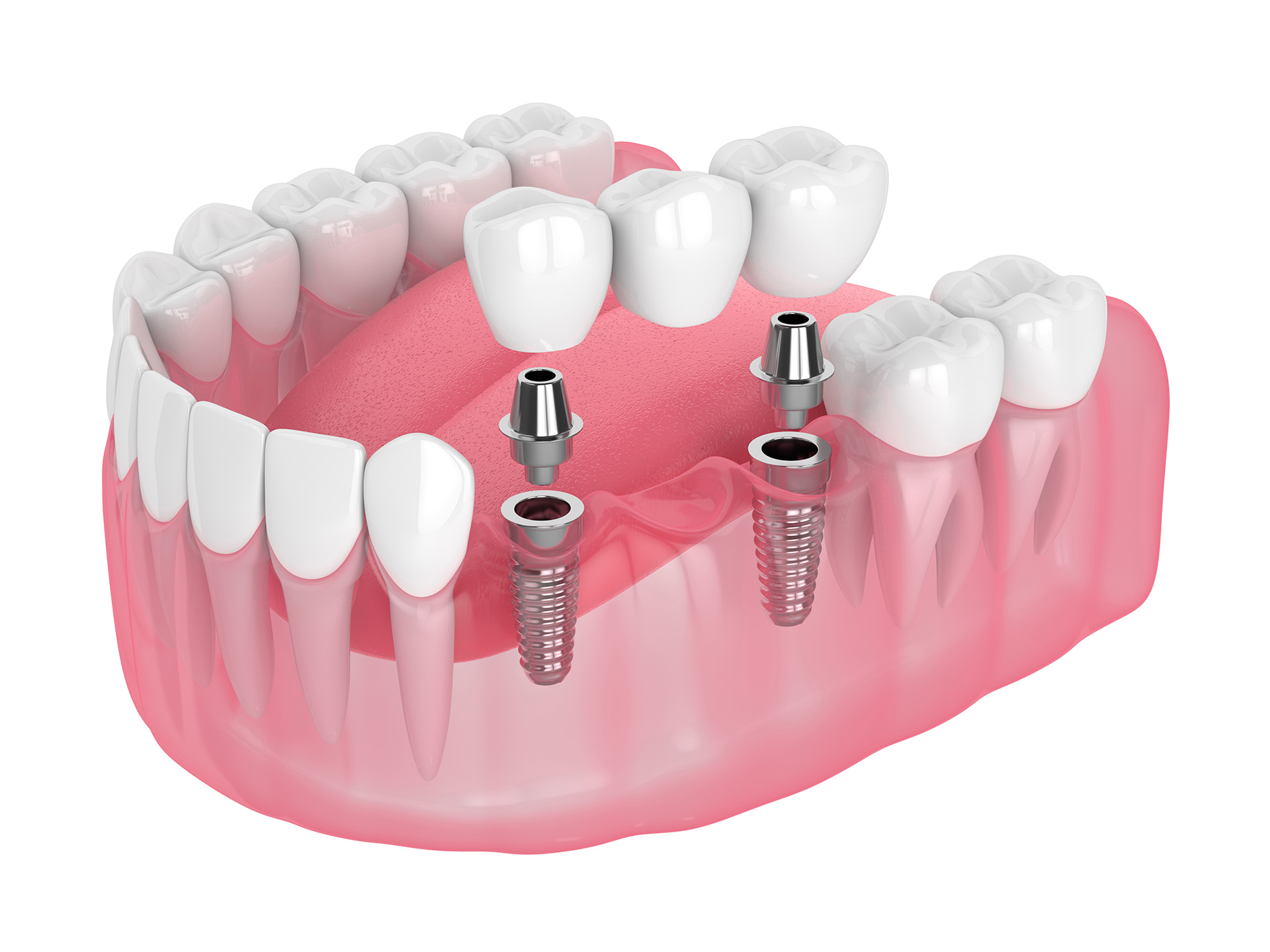
A single tooth implant replaces a missing tooth from root to crown with a strong, lifelike restoration designed to function like a natural tooth. It includes three key parts: a biocompatible titanium or Ceramic Zirconia implant post or that fuses with your jawbone, an abutment that connects the post to the prosthetic, and a custom porcelain crown crafted to match your smile.
Your implant journey typically begins with a comprehensive evaluation and digital imaging. The implant post is placed into the jawbone and allowed to heal during a process called osseointegration, which creates a stable foundation. After the implant integrates, the abutment is attached, and a custom crown is fitted with attention to colour, contour, and bite alignment. Minimally invasive techniques and precise planning help maximize predictability and comfort at every step.
Implants offer several compelling advantages for single tooth replacement. They help preserve bone density by stimulating the jaw, support the natural spacing of neighbouring teeth, and provide dependable chewing function. Because the crown is custom-fabricated, your restored tooth looks and feels natural and, with proper care, can last for decades. When comparing tooth implant vs dental bridge solutions, implants are a freestanding option that does not rely on adjacent teeth for support.
What Is a Dental Bridge?
A dental bridge is a reliable, fixed solution that replaces a missing tooth by connecting an artificial tooth (pontic) to adjacent teeth for support. Bridges are designed to blend seamlessly with your smile, using materials and shades that match your natural teeth. Common bridge types include:
Traditional bridges, which use crowns on both teeth next to the gap to hold the pontic.
Cantilever bridges, supported by a single adjacent tooth when space or tooth position limits traditional support.
Maryland (resin-bonded) bridges, which utilize a discreet metal or ceramic framework bonded to the backs of supporting teeth.
The bridge process typically begins with a detailed assessment and imaging to ensure precision. Supporting teeth are prepared as needed, and accurate impressions or digital scans are taken. A custom temporary bridge is placed while your final restoration is fabricated. Once the permanent bridge is ready, it is fitted, adjusted for comfort and bite, and securely bonded.
Choosing a bridge offers practical benefits. It quickly restores chewing function and speech clarity, fills the gap to help maintain facial contours, and prevents neighbouring teeth from drifting out of alignment. For patients evaluating a single tooth implant vs bridge or considering broader questions like dental implants vs dental bridges, a well-designed bridge can be an efficient solution tailored to specific timelines and clinical needs.
Single Tooth Implant vs Bridge: A Side-by-Side Comparison
Durability and longevity often guide decisions. A properly placed dental implant integrates with your jawbone, creating a secure foundation that can last decades with routine care. Because implants are independent of adjacent teeth, they avoid placing additional stress on them. Traditional bridges rely on neighbouring teeth for support, which can contribute to wear or require future replacement, particularly if the supporting teeth change over time. In the context of bridges vs dental implants, implants generally involve fewer compromises to surrounding tooth structure over the long term.
Impact on surrounding teeth and oral health is equally important. Implants are freestanding, so they don’t require reshaping healthy adjacent teeth, helping preserve natural enamel and tooth structure. They also stimulate the jawbone, supporting facial contours and reducing the risk of bone loss that can occur after a tooth is missing. Bridges, while effective, may involve modifying neighbouring teeth for crowns or bonding frameworks. When weighing tooth implant vs dental bridge options, many patients value the conservative nature of implants that protect healthy teeth.
Function and aesthetics influence daily comfort. Implants provide strong bite efficiency, allowing you to enjoy a broad range of foods confidently. The custom crown is designed to match your surrounding teeth in colour and shape, creating a seamless appearance. Bridges can also deliver natural aesthetics when carefully designed; however, some patients prefer the individual, “single-tooth” appearance of an implant crown compared to the connected feel of a multi-unit restoration. These considerations are central to dental implants vs dental bridges discussions, helping you determine which solution aligns with your preferences.
Costs and Value: Implants vs Bridges
Understanding the investment helps you make a long-term decision with confidence. A single tooth implant typically includes the implant post, the abutment, and the custom crown. National averages often range from $3,000 to $5,500 per tooth, depending on imaging, surgical complexity, materials, and whether bone grafting or tissue optimization is needed. When comparing a single tooth implant vs bridge, consider not only the initial price but also how each option supports bone health and protects adjacent teeth.
Dental bridges are generally priced per unit, the replacement tooth plus the supporting crowns or bonded wings, with totals commonly between $2,000 and $4,000, influenced by the number of units, materials, and the extent of preparation. While the initial cost of a bridge can be lower than an implant, bridges may involve reshaping adjacent teeth and can require more frequent replacement or adjustments over time. Evaluating bridges vs dental implants from a value standpoint involves balancing upfront costs against longevity, maintenance, and impact on oral health.
Insurance plans may cover portions of both implants and bridges, especially the crown or prosthetic components, based on your benefits and medical necessity. Many patients also explore flexible financing options, including monthly payment plans. Whether you prioritize durability, aesthetics, convenience, or budget, comparing dental implants vs dental bridges in detail can clarify which path offers the best overall value for your goals.
How to Decide: Factors to Consider for Your Smile
Choosing between a single tooth implant vs bridge depends on your unique clinical and lifestyle factors. Important considerations include the condition of adjacent teeth, jawbone density, gum health, your aesthetic priorities, and how each option supports long-term function. An implant replaces the missing tooth root and crown without involving neighbouring teeth, often helping preserve bone and natural tooth structure. A bridge can restore your smile quickly by using adjacent teeth for support, which may be advantageous in certain clinical scenarios or when bone volume is limited.
A thorough consultation may include digital imaging, bite analysis, and a detailed review of your medical and dental history. You can discuss candidacy, expected timelines, and cost considerations, outlining each step from preparation through placement and final restoration. When reviewing tooth implant vs dental bridge choices, evidence-based recommendations should focus on comfort, aesthetics, durability, and your individual goals.
Care and maintenance are straightforward with both options. Consistent home care, brushing twice daily, flossing or using interdental aids, and routine professional cleaning, helps protect your investment. Implants benefit from excellent gum care and regular checkups to monitor the surrounding tissues and the integrity of the implant components. Bridges require careful cleaning around and beneath the pontic to keep gums healthy and prevent plaque buildup. Clear maintenance guidance is helpful when comparing dental implants vs dental bridges so you can keep your restored smile strong and attractive for years to come.
Key Takeaways
Both solutions are effective, but the best choice depends on your oral health, priorities, and timeline. A single tooth implant is freestanding, helps preserve bone, and often offers superior longevity. A dental bridge restores the gap efficiently by using neighboring teeth for support and may suit cases with limited bone or specific anatomical considerations. Reviewing bridges vs dental implants and a single tooth implant vs bridge side by side, considering durability, oral health impact, aesthetics, maintenance, and cost, can help you select the solution that fits your needs with confidence.