Dental implants are often called the gold standard for replacing missing teeth, and with good reason. With proper care, implants can last decades, and many remain healthy for a lifetime. If you’re asking, how long do dental implants last, their longevity depends on several factors, including oral hygiene, overall health, bite forces, and the quality of the surgical and restorative work. Below, we outline how implants function, what influences their lifespan, and the steps you can take to keep yours strong and stable for years to come.
What Is a Dental Implant?
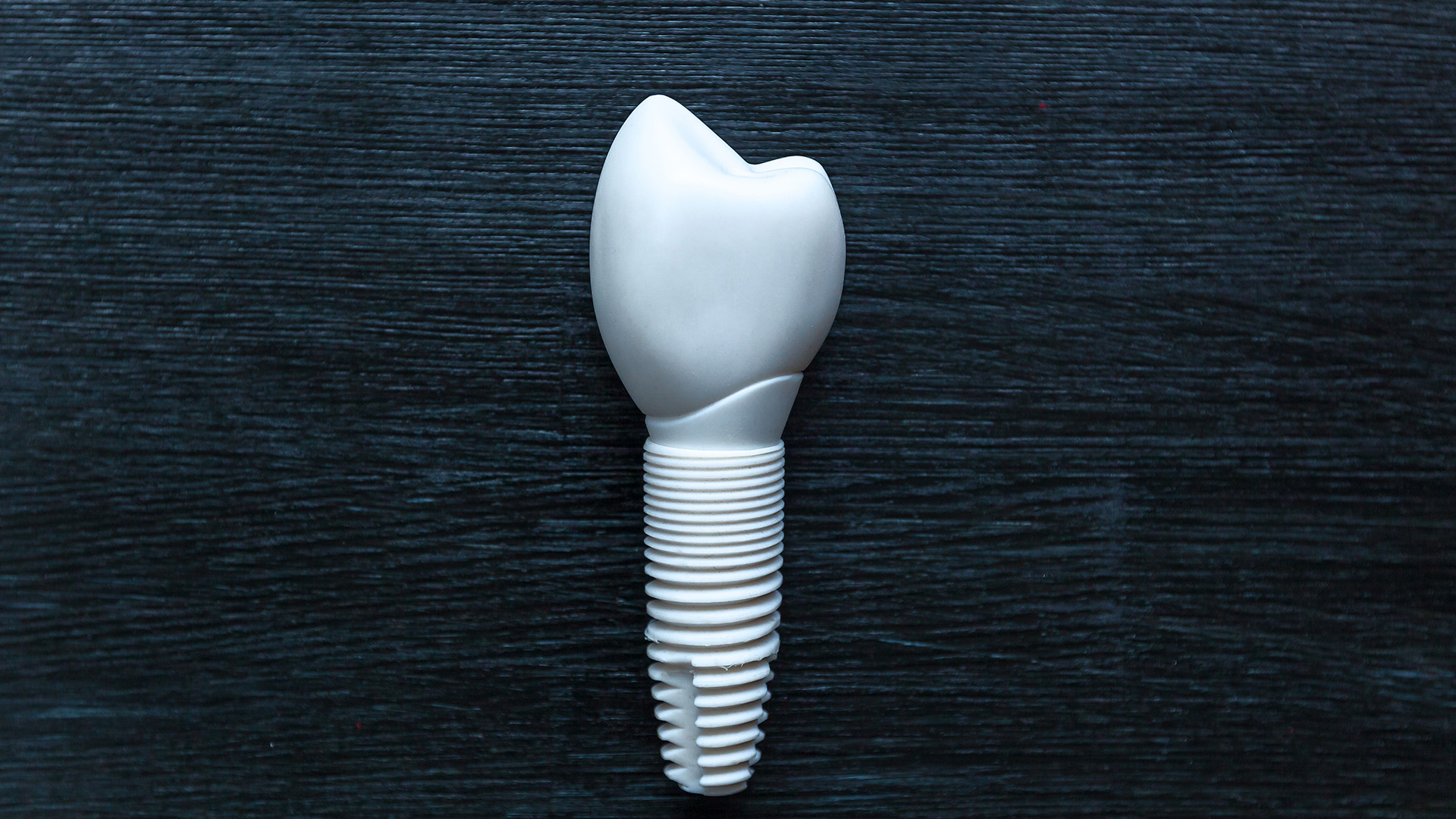
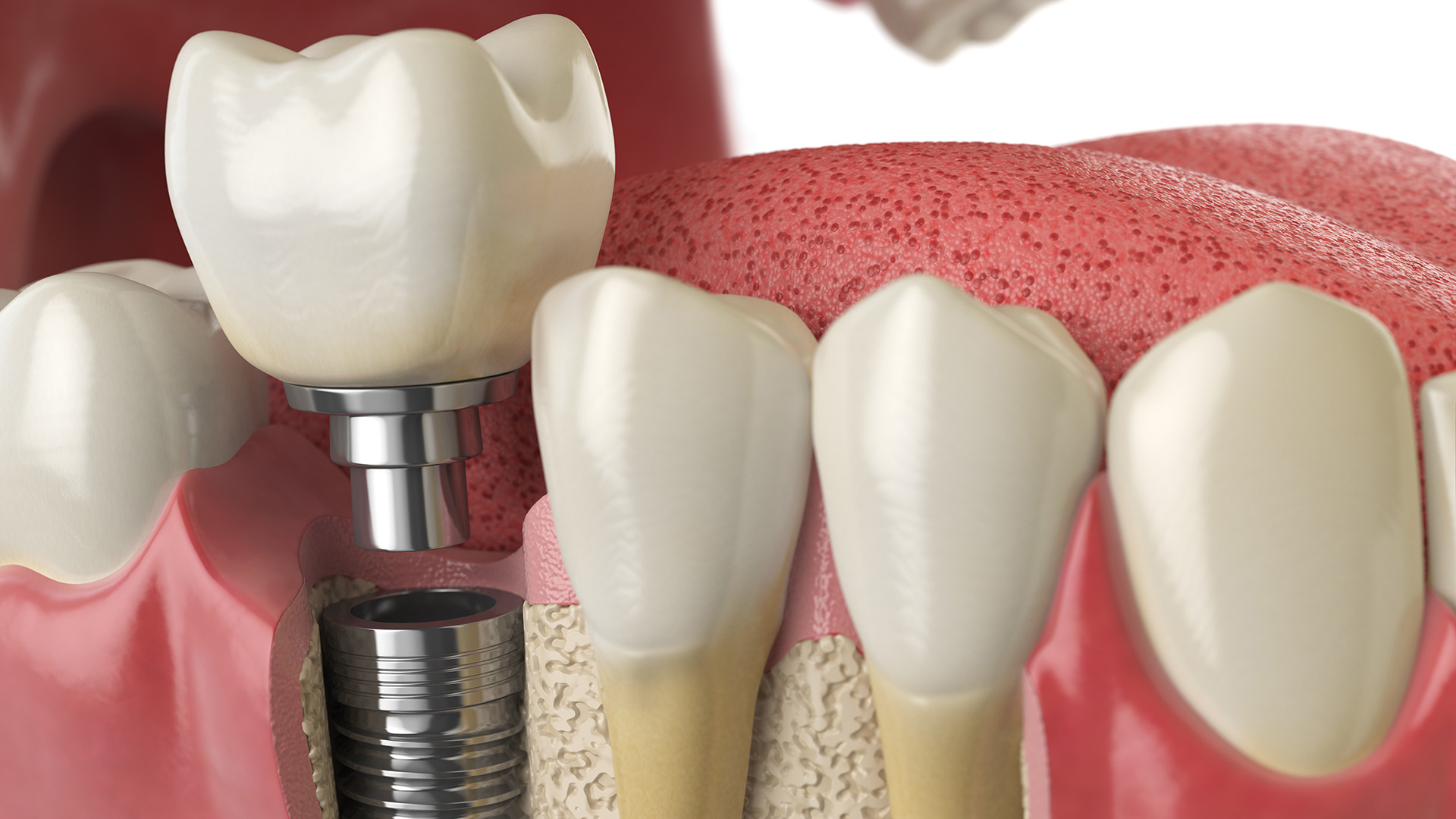
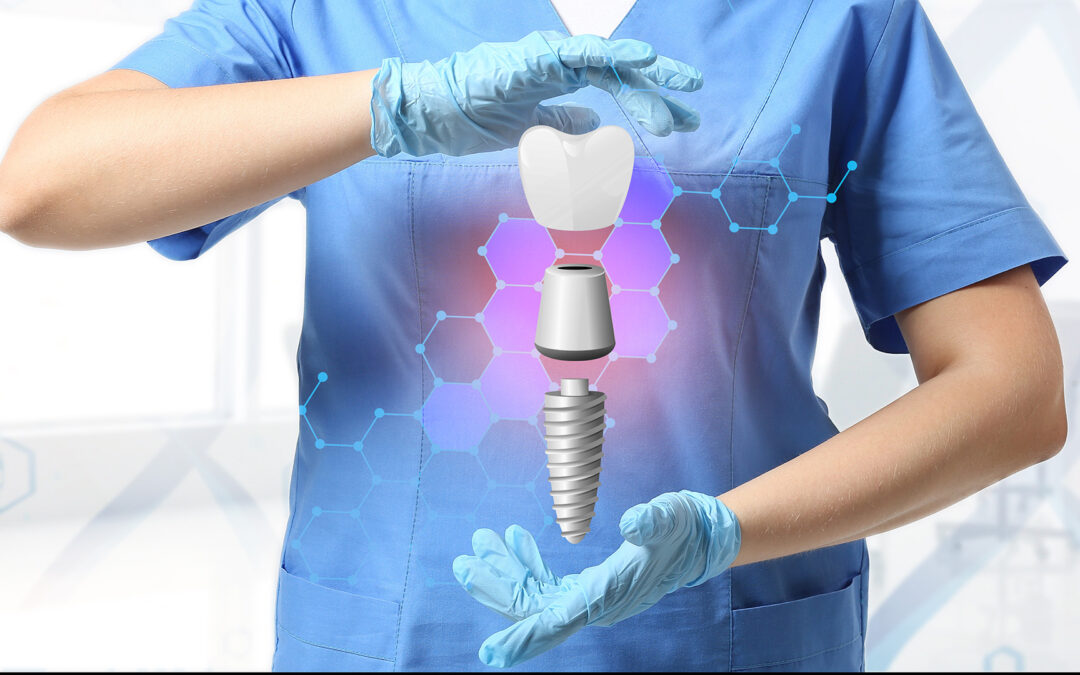
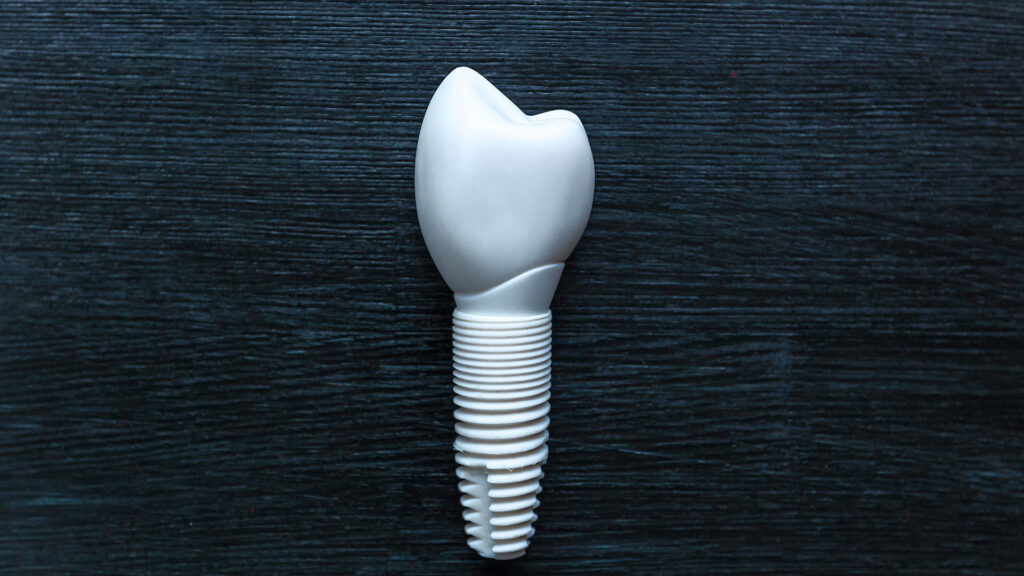
A dental implant is a small, biocompatible post, most commonly made of titanium or, in some cases, zirconia, placed into the jawbone to act as an artificial tooth root. Each implant restoration typically includes three parts: the implant fixture (the post anchored in bone), the abutment (the connector that attaches to the fixture), and the crown (the custom tooth visible above the gumline). Together, they create a natural-looking and highly functional replacement for a missing tooth.
Implants can be tailored to different needs. A single-tooth implant replaces one missing tooth, while implant-supported bridges can restore multiple teeth using fewer posts. For patients missing most or all teeth in an arch, full-arch solutions like All-on-4 or All-on-6 use strategically placed implants to support a complete set of teeth. Most patients receive endosteal implants (placed within the jawbone). In select cases with limited bone, subperiosteal implants (positioned above the bone but under the gum) may be considered.
Getting an implant begins with a comprehensive evaluation using X-rays or 3D imaging to assess bone quality, gum health, and overall suitability. If necessary, preparatory procedures, such as bone grafting or sinus augmentation, create a stable foundation. During placement, the fixture is inserted into the jawbone. Over the following months, osseointegration occurs as the bone heals and bonds to the implant. Once integration is complete, the abutment is attached and a custom crown is secured, restoring chewing function and aesthetics.
How Long Do Dental Implants Last?
On average, the implant fixture can last 20 years or more, and many implants remain healthy indefinitely. The crown typically has a lifespan of 10 to 15 years due to normal wear and tear and may need replacement over time, similar to other dental restorations. With consistent oral care and routine check-ups, both the implant and its components can serve you well for the long term. Patients frequently ask, “how long do dental implants last?” While individual results vary, strong home care and professional follow-up are the most important predictors of long-term success.
The durability of an implant depends on several influences:
Oral hygiene: Daily plaque control helps prevent inflammation and infection around the implant.
Professional maintenance: Regular exams and cleanings allow for early detection and management of issues.
Bone quality and quantity: Adequate bone supports osseointegration and long-term stability.
Systemic health: Conditions like uncontrolled diabetes or compromised immune function can affect healing and outcomes.
Habits: Smoking or vaping increases complication risks; chronic grinding (bruxism) and heavy bite forces can stress the implant and crown.
Bite and alignment: Proper occlusion reduces undue forces on the restoration.
Provider experience: A skilled surgical and restorative team improves success rates.
Compared with other tooth replacement options, implants generally offer superior longevity. Traditional bridges often last 7 to 10 years and require reshaping adjacent teeth. Removable dentures may need frequent adjustments or replacements and can contribute to gradual bone loss. Because implants integrate with the jawbone, they help preserve bone and provide stable chewing function, often making them a more cost-effective solution over time.
How to Care for Dental Implants
Consistent home care and professional follow-up are essential to protect your implant and surrounding tissues. A daily routine that keeps plaque at bay reduces the risk of peri-implant disease and supports long-term success.
Brush twice daily with a soft-bristled brush and a low-abrasive toothpaste to protect the crown and gum tissues.
Floss once a day using floss threaders or implant-specific floss to clean around the implant and abutment.
Use interdental brushes or a water flosser to remove plaque in hard-to-reach areas.
Rinse as recommended by your dentist if you’re prone to inflammation or dry mouth.
Schedule routine exams and professional cleanings, typically every six months unless your dentist advises a different interval. These visits include assessments of gum health, bite alignment, and the condition of the crown and abutment. Periodic X-rays help monitor bone levels and confirm the implant remains stable.
Healthy lifestyle choices further support implant longevity. Avoid tobacco products, as nicotine restricts blood flow and raises the risk of complications. If you grind your teeth, wear a custom night guard to protect your implant and crown. Be cautious with very hard foods that can crack or chip restorations. A balanced diet and good control of systemic conditions like diabetes promote healthy healing and long-term stability.
Signs Your Implant Needs Attention
While implant failure is uncommon, early detection of problems is key. Contact your dentist if you notice any of the following:
Persistent pain, tenderness, or discomfort around the implant
Loosening of the crown or abutment
Swelling, bleeding, or gum recession near the implant
Difficulty chewing or changes in your bite
Unusual taste, discharge, or persistent bad breath
Prompt evaluation can often resolve concerns before they progress. Your dentist may perform a clinical exam, take X-rays, adjust your bite, perform a deep cleaning, or prescribe medication for infection. If peri-implantitis (inflammation around the implant) is present, targeted therapy may be recommended. In rare, advanced cases, implant replacement may be necessary.
Prevention starts with daily plaque control and routine professional care. Stick to your cleaning schedule, use the correct brushing and flossing techniques, wear protective appliances if advised, and avoid tobacco. Report any changes in comfort, bite, or gum health right away to minimize the chance of complications.
Benefits of Choosing Dental Implants
Dental implants can transform daily life by restoring confidence and function. They provide stable chewing ability, allowing you to enjoy a wide range of foods. Implants also help maintain normal speech and avoid the slipping or irritation often associated with removable dentures.
From a long-term value perspective, implants are often cost-effective. Although the initial investment may be higher than other options, their durability and reduced need for frequent replacement or specialized maintenance can result in lower lifetime costs. By integrating with the jawbone, implants help prevent bone resorption after tooth loss, supporting facial structure and reducing future restorative needs. For anyone comparing options and asking how long do dental implants last relative to bridges or dentures, the integration with bone typically leads to longer stability and better function.
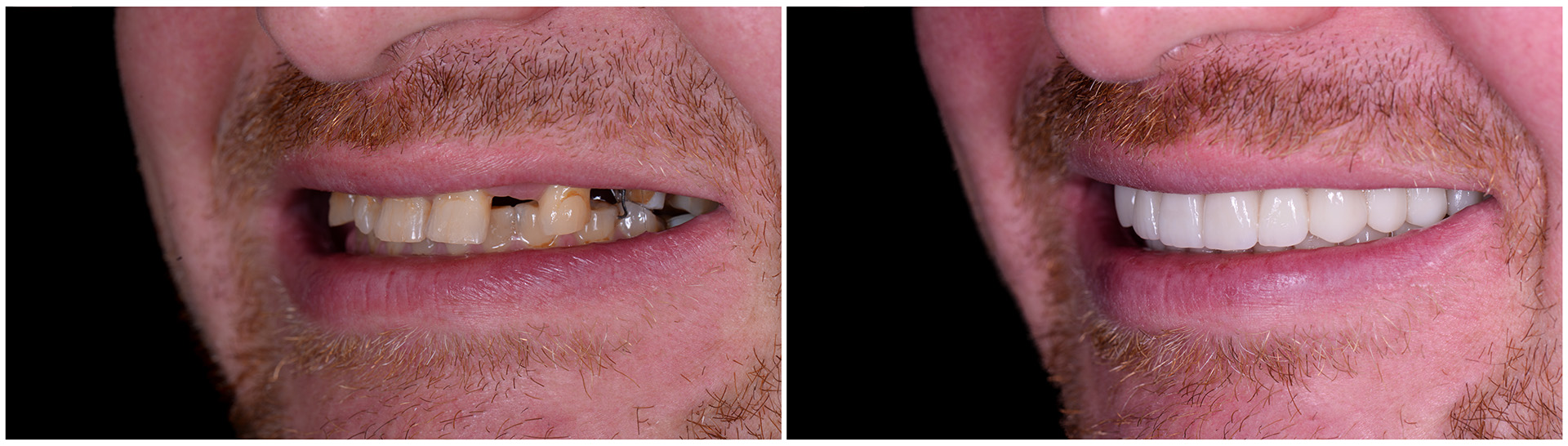
Aesthetically, implants mimic natural teeth. Custom crowns are matched to your smile, providing a seamless appearance. Because the implant functions like a root within the bone, it delivers a lifelike feel and stability. With good care, implants offer a lasting solution that looks, feels, and functions like your own teeth.
Dental Implants vs. Other Options: Longevity at a Glance
Restoration
Typical Lifespan
Key Considerations
Dental implant (fixture)
20+ years; often lifelong
Requires healthy bone and good hygiene; preserves bone; high stability
Implant crown
10–15 years
Subject to normal wear; may be replaced over time
Traditional bridge
7–10 years
Involves reshaping adjacent teeth; maintenance and replacement more frequent
Removable denture
5–8 years
Periodic adjustments/replacements; may accelerate bone loss
Frequently Asked Questions
What affects how long a dental implant lasts? Daily oral hygiene, regular professional care, bone quality, systemic health, bite forces, and lifestyle habits all play a role. Choosing an experienced surgical and restorative team further increases success. If you’re asking how long do dental implants last, know that consistent maintenance and healthy habits make the biggest difference.
Will I ever need to replace the implant? The fixture often lasts indefinitely if the bone and gums remain healthy. The crown may require replacement after 10 to 15 years due to normal wear, similar to other restorations.
Can smokers get dental implants? Yes, but smoking or vaping increases the risk of complications and can reduce long-term success. Quitting or reducing tobacco use improves outcomes and helps implants last longer.
Do implants require special cleaning? Implants are cleaned much like natural teeth, with attention to the gumline. Use floss, interdental brushes, or a water flosser to reach areas around the abutment and under the crown, and keep up with professional cleanings.
Are implants worth the cost? Many patients find implants a strong long-term value due to their durability, bone preservation, and reduced need for frequent replacement compared with bridges or dentures.
How to Protect Your Investment
To help your implants last, follow your dentist’s maintenance plan and keep appointments for exams and cleanings. If you grind your teeth, wear a night guard. Control systemic health conditions through regular medical care, maintain a balanced diet, and avoid tobacco. At home, brush and floss daily and use recommended tools to reach around the implant. If something feels off, such as tenderness, mobility, or a change in your bite, schedule a visit promptly. For anyone still asking how long do dental implants last, these everyday steps are the foundation for keeping implants healthy for the long term.
With consistent care and healthy habits, dental implants can provide a lifetime of reliable function and a confident smile.
So, what is it like to get your wisdom teeth removed? Wisdom teeth removal is a routine oral surgery most people experience in their late teens or early twenties. While it can sound daunting, knowing why removal is recommended, how the procedure works, and what recovery entails makes the process far more manageable. With an experienced oral surgeon or dentist, modern anesthesia options, and clear aftercare guidance, most patients recover smoothly and return to normal activities within a few days. If you are wondering what is it like to get your wisdom teeth removed, understanding each step of tooth wisdom removal helps set realistic expectations and reduce anxiety.
Understanding Wisdom Teeth
Wisdom teeth are the third molars at the very back of your mouth, usually two on the top and two on the bottom. They were useful for ancient diets that required more chewing power, but today they often offer little functional benefit.
These molars typically erupt between ages 17 and 25, though timing varies. Some people develop all four, some fewer, and some none at all. When there’s adequate space and the teeth align correctly, wisdom teeth can erupt without causing problems.
Impacted wisdom teeth, those trapped beneath the gums or growing at an angle, are more likely to cause issues. Common problems include pain, swelling, infection, crowding, damage to nearby teeth, gum disease, and cysts. Routine dental exams and X-rays help detect impaction early and guide whether monitoring or removal is the best course. Understanding these factors is central to answering what it is like to get your wisdom teeth removed and why tooth wisdom removal is often advised before complications arise.
Reasons for Wisdom Teeth Removal
Removal may be recommended if you notice jaw pain or pressure, swelling or tenderness near the back molars, recurring infections, difficulty opening your mouth, or crowding that shifts other teeth. Dentists often base the decision on X-rays showing poor position, risk of decay, or potential damage to adjacent teeth.
Overcrowded or impacted wisdom teeth are harder to clean, increasing the risk of cavities and gum disease. They can press against second molars, disrupt bite alignment, and create pockets where bacteria thrive.
Preventive removal can reduce the likelihood of future infections, pain, and more complex surgery later. While any surgery carries risks, such as bleeding, swelling, dry socket, or temporary nerve irritation, complications are uncommon and typically short-lived. For many patients, early tooth wisdom removal supports long-term oral health and makes recovery more predictable.
What to Expect During the Procedure
The process starts with a consultation, medical review, and X-rays. On surgery day, the area is disinfected and anesthesia is administered. The dentist or oral surgeon makes a small incision in the gum, may remove a small amount of bone if needed, and extracts the tooth. Stitches may be placed to support healing, and gauze helps control initial bleeding.
Anesthesia options include local anesthesia to numb the area, nitrous oxide (laughing gas) for relaxation, oral sedation, and IV sedation for deeper comfort. Your provider will recommend the best option based on your health, anxiety level, and case complexity. With sedation, most patients remember little of the procedure and experience minimal discomfort.
Routine extractions typically take 30 to 60 minutes; complex impactions can take longer. After surgery, you’ll receive written instructions on managing swelling, changing gauze, taking medications, and protecting the blood clot. Arrange a ride home if you have sedation and plan to rest for the remainder of the day. Knowing these steps helps answer what it is like to get your wisdom teeth removed and prepares you for a smoother tooth wisdom removal experience.
Recovery After Wisdom Teeth Removal
Recovery follows a fairly predictable timeline. The first 24 to 72 hours bring the most swelling and soreness. By days three to five, many people feel markedly better and resume light activities. Soft tissue generally heals in one to two weeks, while full bone healing continues for several months.
To manage discomfort and swelling, use prescribed or over-the-counter pain relievers as directed, apply cold compresses for the first 24 hours, and keep your head elevated when resting. Avoid smoking, vigorous rinsing, and using straws for at least 24 to 48 hours to prevent dry socket. Begin gentle saltwater rinses after the first day to keep the area clean.
Choose soft, cool foods such as yogurt, smoothies (without straws), mashed potatoes, applesauce, scrambled eggs, and lukewarm soups. Steer clear of hard, crunchy, spicy, or very hot foods that could irritate the surgical sites. As comfort improves, gradually return to your usual diet. Contact your dental provider promptly if you experience fever, worsening pain, persistent bleeding, or a foul taste that doesn’t resolve.
Keep the extraction sites clean and follow all hygiene instructions.
Take medications exactly as prescribed.
Limit strenuous activity for several days.
Attend follow-up appointments to monitor healing.
By planning ahead, following aftercare instructions, and understanding the timeline, you will have a clear sense of what it is like to get your wisdom teeth removed. Most patients report that tooth wisdom removal is easier than expected and that discomfort steadily improves each day.
Dental implants are a leading solution for replacing missing teeth because they look, function, and often feel very close to natural teeth. If you are considering implants, you likely want to know how they will feel day to day, when you chew, speak, and smile. This guide explains what implants are, how the process works, what to expect from their sensation, and how to care for them long term. Many people ask, do dental implants feel like real teeth, and the short answer is that they can feel remarkably natural once healing is complete.
Understanding Dental Implants
Dental implants are small, biocompatible posts, most commonly titanium or zirconia, that act as artificial tooth roots. Each implant supports an abutment (a connector) and a custom crown designed to match the color and shape of your surrounding teeth. Together, these components create a stable, lifelike replacement for a missing tooth.
Implants are designed to function like natural teeth through a process called osseointegration. Over several months, the implant fuses with the jawbone, creating a firm foundation that withstands normal biting and chewing forces. Because the crown emerges through the gum line and is fixed in place, it provides a natural appearance and a secure feel.
Common implant options include:
Single-tooth implants to replace an individual tooth with one post and crown.
Implant-supported bridges to restore multiple adjacent teeth using fewer implants.
Full-arch solutions, such as implant-retained dentures or full fixed bridges, to replace an entire upper or lower arch with as few as four to six implants.
The Dental Implant Procedure
Your journey starts with a comprehensive consultation that includes a clinical exam, digital imaging, and a review of your medical history. Your dentist or specialist will create a personalized treatment plan based on bone quality, bite alignment, and your cosmetic goals.
The typical step-by-step process includes:
Site preparation and, if needed, bone grafting to ensure adequate support.
Implant placement, where the post is inserted into the jawbone.
A healing period for osseointegration, usually several months.
Abutment placement once the implant has integrated.
Fabrication and placement of the final crown for a natural look and feel.
Most patients can expect three to six months from implant placement to final restoration, depending on healing and whether bone grafting is required. Some cases allow for immediate temporary restorations, giving you a natural-looking provisional while the implant heals.
Anesthesia and comfort options are tailored to your needs. Local anesthesia is standard for placement, and sedation can be offered for anxiety or complex cases. Post-procedure discomfort is typically mild to moderate and manageable with over-the-counter pain relievers and simple home care instructions.
Do Dental Implants Feel Natural?
Yes, dental implants often feel very natural once healing is complete. The sensation is influenced by several factors: jawbone quality and density, precise implant positioning, the fit and materials of the crown, your bite alignment, and how your body heals. When these elements are optimized, the result is a stable, comfortable tooth replacement. It is common to ask, do dental implants feel like real teeth, because patients want to understand how closely implants can mimic the experience of natural teeth.
Compared with natural teeth, implants are similar in function and appearance but do not have a periodontal ligament, the tiny elastic fibers that connect natural teeth to bone. Without this ligament, implants lack the same pressure sensation and feel more rigid when you bite. Most people adapt quickly and appreciate the stability.
Compared with other options, implants generally feel more secure than removable dentures, which can shift or cause sore spots. Unlike traditional bridges, implants do not rely on neighboring teeth for support, preserving natural tooth structure and often providing a more natural chewing experience.
Patients commonly report that after an initial adjustment period, they forget the implant is there. Many enjoy confidence eating a wide range of foods, clear speech without clicking or slipping, and a natural look that blends with their smile.
Caring for Your Dental Implants
Daily care for dental implants is straightforward and mirrors good oral hygiene for natural teeth. Brush twice a day with a soft-bristled toothbrush and a low-abrasive toothpaste. Clean between teeth and around the implant with floss designed for implants, interdental brushes, or a water flosser to remove plaque at the gum line.
Regular dental checkups are essential. Professional cleanings help prevent peri-implant disease, and periodic X-rays allow your dentist to monitor bone levels around the implant. If you grind your teeth, a custom nightguard may be recommended to protect the implant and surrounding teeth.
Common issues and solutions include:
Mild gum irritation, which often improves with enhanced home care and professional cleanings.
Sensitivity or bite imbalance, typically resolved with an adjustment to the crown.
Inflammation around the implant (peri-implant mucositis), which can be reversed with timely treatment.
If you notice mobility, persistent pain, or swelling, contact your dentist promptly for evaluation. With proper care, dental implants can feel natural and deliver long-lasting results.
The foods you choose after dental implant surgery can make a meaningful difference in how quickly and comfortably you heal. In the first few days, the surgical site is especially sensitive, and avoiding certain textures and ingredients helps protect the area, minimize irritation, and support healthy tissue recovery. Use this guide to learn what to skip, smart alternatives to eat instead, and tips for maintaining a balanced diet as you heal. If you are searching for foods to avoid after dental implant surgery, the sections below outline clear guidance and practical options.
Why Your Diet Matters After Dental Implants
Right after surgery, the implant and surrounding tissues are vulnerable to pressure, inflammation, and infection. Gentle, easy-to-chew foods help control swelling and protect the blood clot and sutures so the area can heal undisturbed.
Nutrition also supports osseointegration, the process where the implant fuses with the jawbone. Prioritize protein to aid tissue repair, vitamin C for collagen formation, and minerals like calcium and vitamin D to strengthen bone. Consistent caloric intake prevents fatigue and supports steady, predictable healing.
Beyond the early recovery phase, your overall oral health benefits from a diet low in added sugars and acids. Choosing whole foods, staying hydrated, and maintaining good oral hygiene helps protect your gums and adjacent teeth and creates a healthier environment around your implant for the long term.
Foods to Avoid Immediately After Surgery
In the first 24–72 hours, steer clear of textures and ingredients that can irritate the surgical area, loosen the blood clot, or interfere with sutures. Understanding the specific foods to avoid after dental implant surgery helps reduce complications and discomfort.
Hard or crunchy foods: Nuts, chips, crusty bread, raw carrots, granola, and ice can put pressure on the site and may cause bleeding or discomfort. Small fragments can lodge near the incision and are difficult to clean.
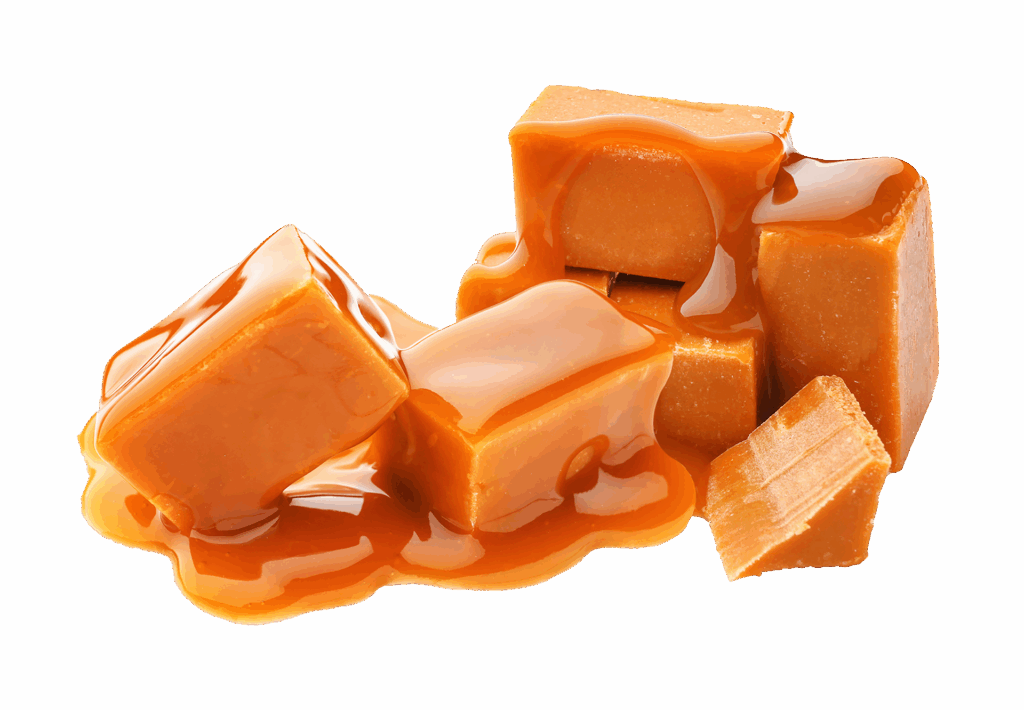
Sticky or chewy foods: Caramel, taffy, gummy candies, sticky rice, and chewy baked goods can tug on sutures and adhere to the area, increasing the risk of irritation and infection.
Spicy and acidic foods: Hot peppers, heavily spiced dishes, citrus fruits, vinegar-based dressings, and tomato sauces can sting and prolong inflammation. Choose mild flavors during the first few days.
Very hot foods and drinks: High temperatures can increase swelling and may disturb healing tissues. Allow foods and beverages to cool to a comfortable temperature.
Foods and Drinks to Limit in the Days Following Surgery
As you move beyond the first day, continue to be mindful of items that can hinder recovery or cause discomfort. Reviewing foods to avoid after dental implant surgery, and those to limit, can help you plan meals with confidence.
Dairy products (temporarily): Milk, ice cream, and yogurt can increase mucus for some people and may worsen nausea after anesthesia or pain medication. If you notice discomfort, limit dairy for 24–48 hours, then reintroduce gentle, low-sugar options if tolerated.
Caffeinated beverages: Coffee, energy drinks, and strong tea can contribute to dehydration and disrupt sleep, both key to recovery. If you choose caffeine, keep portions small, avoid it on day one, and prioritize water or decaf.
Alcohol: Avoid alcohol during the initial healing period. It can interact with medications, increase bleeding risk, and impair immune response. Wait for clearance from your provider before resuming, and keep intake modest.
Carbonated drinks: Fizzy beverages can be acidic and may irritate the surgical site. Choose still, non-acidic options until your dentist says it’s safe.
Comfortable, Nutritious Alternatives
Opt for soft, nutrient-dense foods that require minimal chewing and are easy to swallow. Aim to include protein, healthy fats, and complex carbohydrates in each meal to support healing and energy.
Fruits and vegetables: Applesauce, avocado, ripe banana, and well-cooked or blended vegetables like spinach, carrots, and squash.
Soups and broths: Smooth, blended soups (avoid acidic bases) and nourishing broths served warm, not hot.
Hydration is essential. Water is best, along with diluted, non-acidic juices and broths. Avoid straws for several days since suction can disturb the blood clot. Room-temperature drinks are often more comfortable; take frequent small sips to stay hydrated.
Sample Recovery-Friendly Meal Ideas
Meal
Examples
What It Provides
Breakfast
Scrambled eggs with mashed avocado; oatmeal with applesauce
Protein, healthy fats, gentle fiber
Lunch
Blended vegetable soup; soft tofu with well-cooked rice
Antioxidants, complex carbs, easily digestible protein
Snack
Cottage cheese; hummus with soft, steamed vegetables
Protein, micronutrients
Dinner
Flaky white fish with mashed potatoes; soft pasta with mild sauce
Lean protein, energy for recovery
Hydration
Water, diluted non-acidic juices, warm broths
Fluid balance, comfort
Tips for a Smooth Recovery
Chew on the opposite side of the surgical site, and take small bites.
Keep foods soft for several days, then gradually reintroduce firmer textures as advised by your dentist.
Maintain oral hygiene: follow your provider’s instructions for gentle rinsing and brushing around the area.
Avoid smoking and vaping, which slow healing and increase complication risk.
Listen to your body. If a food causes discomfort, pause and try a softer alternative.
When to Contact Your Provider
Mild swelling and discomfort are common early on, but call your dentist or oral surgeon if you experience increasing pain, persistent bleeding, fever, foul taste or odor, or difficulty opening your mouth. Prompt guidance helps protect your implant and speeds recovery.
The Bottom Line
A soft, gentle, and nutrient-rich diet supports healing after dental implant surgery and helps protect the surgical site. Avoid hard, crunchy, sticky, spicy, and acidic foods at first, limit caffeine and alcohol, and choose balanced meals with protein, healthy fats, and complex carbs. If you need a quick summary of foods to avoid after dental implant surgery, emphasize hard, crunchy, sticky, very hot, and highly acidic items during the early phase. As healing progresses, your care team will let you know when it’s safe to reintroduce more textures. If you have questions about your specific recovery plan, contact your provider for personalized advice and a tailored list of foods to avoid after dental implant surgery.
Choosing the best dental implant material is an important step toward a confident, lasting smile. Titanium and ceramic implants both offer reliable tooth replacement, but they differ in appearance, performance, and suitability for specific situations. This guide outlines how each option works, their advantages and limitations, and how to determine the best fit for your oral health. Throughout, we’ll compare ceramic vs titanium implants to help you make an informed decision. You’ll also see how ceramic dental implants vs titanium stack up in different scenarios and what to consider when evaluating titanium vs ceramic dental implants for your needs.
Understanding Dental Implants
Dental implants are artificial tooth roots placed in the jaw to support a crown, bridge, or denture. They restore chewing function, help preserve bone, and provide a natural-looking replacement for missing teeth. An implant is typically composed of three parts: the implant fixture (root), the abutment (connector), and the crown (the visible tooth).
The treatment process generally includes a clinical evaluation with imaging, surgical placement of the implant into the jawbone, and a healing period where the bone fuses to the implant through osseointegration. After healing, the abutment and custom crown are attached. Depending on the case, temporary teeth may be placed during healing to maintain appearance and function.
Material selection matters because it influences aesthetics, healing, durability, and long-term comfort. Your bite forces, gum thickness, smile line, and medical history all play a role in determining which implant material will perform best for you. When weighing ceramic vs titanium implants, your clinician will consider the location of the tooth, soft tissue characteristics, and the type of restoration planned.
Titanium Implants: Benefits and Considerations
Titanium implants are the most widely used option and have decades of clinical evidence supporting their success. Titanium is strong, lightweight, and highly resistant to fracture, making it well-suited for areas with higher bite forces, such as molars.
A key advantage of titanium is its excellent compatibility with bone. The surface properties of titanium promote osseointegration, typically leading to predictable healing and long-term stability. Many titanium systems feature two-piece designs, which offer flexibility in angulation, soft tissue management, and prosthetic choices.
Possible drawbacks include aesthetics in the smile zone. In patients with thin gum tissue or recession, the gray tone of titanium may be visible at the gumline. This is uncommon and can often be minimized with surgical and restorative techniques or ceramic abutments, but it remains a consideration for front teeth. Rarely, patients report metal sensitivities, though true titanium allergies are unusual. Some individuals may also prefer a metal-free solution for personal or medical reasons. These points often surface when discussing titanium vs ceramic dental implants for front-tooth replacements versus high-load areas.
Ceramic Implants: Benefits and Considerations
Ceramic implants, most commonly zirconia, offer a white, tooth-like color that supports excellent aesthetics, especially in the smile zone. Their appearance reduces the risk of gray shadowing at the gumline and can be advantageous for patients with thin or translucent soft tissue.
Ceramic materials are biocompatible and inert, helping to minimize inflammation or allergic responses. For patients who prefer or require a metal-free option due to sensitivities or personal preference, ceramic implants can be an appealing choice. Some research suggests ceramic surfaces may accumulate less plaque, which can support healthy gums when combined with thorough home care.
On the other hand, ceramics are more brittle than titanium and can have lower tolerance for bending or off-angle forces. Modern zirconia implants are strong, but many systems are one-piece designs that limit prosthetic flexibility and require highly precise surgical placement. In high-load areas or complex bite situations, titanium may offer a durability and adaptability advantage. These trade-offs are central to comparing ceramic dental implants vs titanium in day-to-day clinical decision-making.
Comparing Titanium and Ceramic Implants
Both materials can deliver predictable results when matched to the right case. Here is a side-by-side overview to help clarify differences and support your evaluation of ceramic vs titanium implants:
Factor
Titanium Implants
Ceramic (Zirconia) Implants
Strength & fatigue resistance
Excellent; ideal for high bite forces and molars
Strong but more brittle; best for controlled loading
Design flexibility
Usually two-piece; allows angled abutments and complex restorations
Often one-piece; reduces microgaps but limits prosthetic adjustments
Aesthetics
Can show gray through thin gum tissue in rare cases
White, tooth-like color; excellent for the smile zone
Biocompatibility
Highly biocompatible; rare metal sensitivities
Inert and metal-free; low risk of allergic response
This table highlights the practical differences central to ceramic dental implants vs titanium and provides a quick way to weigh titanium vs ceramic dental implants for your specific case.
Who May Benefit Most From Each Material
Front teeth with high aesthetic demand: Ceramic implants can minimize visible shadowing and support natural-looking results in the smile line.
Molars and high-load areas: Titanium’s strength and fatigue resistance make it a reliable choice for posterior teeth and strong bite patterns.
Thin or translucent gum tissue: Ceramic’s white color can reduce show-through for a cleaner gumline appearance.
Bruxism or heavy bite forces: Titanium often provides better durability and component flexibility.
Metal sensitivities or preference for metal-free dentistry: Ceramic implants offer an inert, metal-free alternative.
Complex restorative needs: Titanium’s two-piece systems allow angled abutments and tailored prosthetic solutions.
If you’re deciding between ceramic vs titanium implants, consider where the implant will be placed, your bite characteristics, and aesthetic priorities. These factors often guide the choice when comparing titanium vs ceramic dental implants in everyday clinical practice.
Making the Right Choice for Your Dental Health
When selecting an implant material, consider your aesthetic goals, gum thickness, bite forces, bone quality, medical history, and budget. Discuss whether you would benefit from a two-piece system that allows angulation and prosthetic customization or a one-piece design that simplifies components and offers a metal-free approach. It also helps to review how each material performs at the specific tooth location, front versus molar, and how it aligns with your long-term treatment plan.
A comprehensive consultation is essential. Your clinician will evaluate your smile line, soft tissue profile, bone density, occlusion, and overall health to recommend an individualized plan. Advanced imaging and digital planning are used to determine ideal placement and whether titanium or ceramic best matches your needs. This step-by-step approach ensures that the comparison of ceramic dental implants vs titanium is tailored to your anatomy and goals.
Maintenance is similar for both materials. Keep up with regular checkups, professional cleanings, and consistent home care. Use a soft toothbrush, non-abrasive toothpaste, and floss or interdental cleaners designed for implants. Address clenching or grinding with a night guard if indicated, and maintain healthy gums to protect the implant and surrounding bone. With the right material and diligent care, implants can provide dependable function and a natural-looking smile for many years. If you’re still weighing ceramic vs titanium implants, speak with your clinician about how titanium vs ceramic dental implants perform in your specific circumstances, including soft tissue conditions and bite forces.
Dental implants are a reliable, modern solution for replacing missing teeth and restoring natural function and appearance. If you have a gap from a lost tooth, a severely damaged tooth, or a failing restoration, an implant can help protect your oral health, improve your bite, and renew your confidence in your smile. This guide explains what implants are, why they may be recommended, their benefits, the pros and cons of dental implants, and what to expect during treatment. Understanding why you may need a dental implant helps you make an informed choice about your long-term oral health.
Understanding Dental Implants
A dental implant is a small, biocompatible post placed in the jawbone to replace a natural tooth root. After the implant integrates with the surrounding bone, it supports a custom crown, bridge, or denture for a secure, natural-feeling replacement. Implants restore chewing efficiency, help maintain jawbone volume, and prevent neighboring teeth from shifting into the empty space.
Implant options include:
Single-tooth implants to replace one missing tooth with a post and crown.
Implant-supported bridges to span areas of multiple missing teeth without altering adjacent natural teeth.
Implant-retained or implant-supported dentures to anchor full or partial dentures for improved stability and comfort.
Specialized solutions such as mini implants or zygomatic implants in select cases based on bone quality and anatomy.
Implants differ from other replacements in important ways. Traditional bridges require reshaping neighboring teeth, while implants do not. Removable partials and full dentures can shift and reduce bite strength; implants are fixed and feel more like natural teeth. Because they transmit chewing forces to the bone, implants also help prevent the bone loss that often follows tooth loss. These distinctions are central to understanding the pros and cons of dental implants as part of your treatment planning.
Reasons You May Need a Dental Implant
Missing teeth can cause long-term changes in your mouth. Adjacent teeth may drift into the gap, leading to crowding or misalignment. The opposing tooth can over-erupt, increasing sensitivity or fracture risk. Without a tooth root, the jawbone in that area can gradually resorb, altering facial contours and making future restorations more complex. These functional and structural changes illustrate why you may need a dental implant to stabilize your bite and preserve bone.
Common reasons for implant treatment include tooth loss from decay, gum disease, trauma, or fractures, as well as failed root canal treatments or replacement of older bridges and dentures that no longer fit well. If a tooth is cracked below the gumline or repeatedly infected, extraction followed by an implant often provides the most predictable, long-term solution. Discussing the pros and cons of dental implants with your dental team helps determine whether immediate placement or staged treatment is appropriate.
Beyond appearance, gaps affect function. Chewing can become less efficient, speech may change, and remaining teeth can experience excessive stress. Placing an implant restores balance to your bite, preserves jawbone volume, and maintains proper spacing of teeth. For many patients, implants reduce future dental work by stabilizing the bite and protecting surrounding structures. Understanding why you may need a dental implant at the time of extraction can simplify treatment and optimize outcomes.
Benefits of Dental Implants
Implants support better oral health by allowing you to clean your teeth and gums effectively. Because the restoration is fixed, there are no clasps or bulky parts that trap food, and you can brush and floss much like you would with natural teeth. By transferring chewing forces to the jawbone, implants help maintain healthy bone density and natural gum contours.
Aesthetically, implants look and feel like natural teeth. The crown’s shape and shade are customized to blend with your smile, supporting confident speaking, eating, and laughing. Improved stability also enhances comfort by eliminating the slippage and pressure points that can occur with removable dentures.
Implants are designed for durability. With proper care, the implant post can last for decades. While the initial investment may be higher than some alternatives, preserving adjacent teeth, minimizing future replacements, and reducing maintenance often make implants a more economical choice over time. These advantages are key when weighing the pros and cons of dental implants.
The Pros and Cons of Dental Implants
Pros
Cons
Preserve jawbone density and facial contours
Require surgery and healing time
Do not rely on or reshape adjacent teeth
Higher upfront cost than some alternatives
Stable, natural-feeling function and aesthetics
Not suitable for all patients without preparatory procedures
Long-term durability with proper care
Risk of complications such as infection or implant failure
Easy to clean like natural teeth
May need bone grafting or sinus lift in low-bone areas
Reviewing the pros and cons of dental implants with a clinician helps align expectations, budget, and health considerations. This balanced view supports clear decision-making when exploring why you may need a dental implant versus another restoration.
The Dental Implant Process
The journey begins with a consultation and thorough evaluation. Your dentist or specialist will review your medical and dental history, take digital scans or X-rays, and assess bone volume and gum health. If needed, preparatory procedures such as tooth extraction, bone grafting, or sinus lift may be recommended to create an ideal foundation for the implant.
During the surgical appointment, the implant post is placed into the jawbone under local anesthesia. Sedation options may be available for added comfort. Healing and osseointegration, the process of bone bonding to the implant, typically takes 3 to 6 months, depending on your health and the implant site. In some cases, a temporary crown or provisional restoration can be provided. After the implant is stable, an abutment is attached, and a custom crown, bridge, or denture is fitted to complete your restoration.
Post-implant care focuses on keeping the gums and implant clean and healthy. Follow these guidelines:
Brush twice daily with a soft-bristled brush and use non-abrasive toothpaste.
Floss daily, and consider interdental brushes or a water flosser around the implant.
Attend routine checkups and professional cleanings to monitor implant stability and gum health.
Avoid smoking, manage systemic conditions like diabetes, and wear a night guard if you clench or grind your teeth.
With consistent care and regular follow-ups, implants provide long-lasting function and aesthetics, helping you maintain a healthy, confident smile. Evaluating the pros and cons of dental implants, alongside why you may need a dental implant for your specific situation, ensures a personalized, well-informed treatment plan.